
Best Audio Interfaces With Sub Out for Clear, Flexible Monitoring
Best overall audio interfaces with sub out for precise external monitor setups and flexible routing. This guide highlights five solid options for musicians, podcasters, and streamers who need reliable secondary outputs alongside high-quality sound. Each pick is explained with who it’s best for, why it stands out, and any practical limitation to consider during setup or use.
Buyer focus at a glance:
– Musicians and engineers seeking professional pre-amps and clear top-end with alternative outputs.
– Podcasters or streamers who require reliable, low-latency monitoring and easy USB-C connectivity.
– Home studios needing a balance of price, portability, and sonic quality.
A quick summary table helps compare core strengths and intended users.
| Product | Best For | Key Benefit |
|---|---|---|
| Focusrite Scarlett Solo 3rd Gen | Home studios and guitar/vocal work | Air mode and high-headroom inputs for bright, clear recordings |
| Synido USB C Audio Interface 2×2 | Streaming and multi-monitor setups | Three monitoring modes and bus-power via USB-C |
| Focusrite Scarlett Solo 4th Gen | Compact studio setups | Air mode with improved dynamic range for vocal/guitar presence |
| M-AUDIO M-Track Duo | Budget-conscious creators | Two combo inputs with zero-latency monitoring options |
| Jolgoo 2×2 USB Audio Interface | Portable, versatile recording | 24-bit/192kHz with direct monitoring and phantom power |
Focusrite Scarlett Solo 3rd Gen USB-C Audio Interface

The Focusrite Scarlett Solo 3rd Gen is designed for solo singers and instrumentalists who want pro-sounding vocals and bright instrument tones. Its high-headroom mic pre-amps and switchable Air mode can add presence to acoustic instruments and voice, helping recordings cut through a mix. The two instrument inputs are especially useful for guitar or bass players who want both channels ready for tracking without extra gear. The unit supports up to 24-bit/192kHz for transparent capture, making it well suited for home studios aiming for broadcast-grade results.
Who it’s best for: solo artists and small studios needing a clean, upfront vocal with strong guitar charm. Why chosen: exceptional pre-amps and Air mode deliver noticeable tonal lift without complicated routing. Caution: single-channel focus means you’ll want a separate source if you need true stereo or multi-mic setups in one pass.
USB C Audio Interface for Recording Music, Streaming, Podcasting, Synido 2×2

The Synido 2×2 interface emphasizes streaming and multi-route monitoring with three distinct modes: Stereo for true input playback, Mix for live mixing of input and computer audio, and USB for computer-only monitoring. This flexibility makes it a practical choice for podcasters, livestreamers, and content creators who frequently switch between raw recording, live broadcasting, and post-processing. The device is designed for easy configuration with visible LED indicators and robust input options that support a range of mics and instruments.
Who it’s best for: streamers and broadcast-focused creators needing flexible monitoring. Why chosen: three modes simplify on-the-fly routing. Caution: user needs to confirm compatibility with specific condenser mics and software setups, as some apps may require manual routing adjustments.
Focusrite Scarlett Solo 4th Gen USB-C Audio Interface

The Scarlett Solo 4th Gen builds on Focusrite’s classic design with an updated Air mode to lift vocals and guitars in the mix, delivering a polished, front-of-house feel in a compact interface. With a wide dynamic range and the same trusted Focusrite converters as high-end gear, it suits songwriters and performers who want studio-grade tone in a portable package. It’s particularly strong for single-artist setups that require reliable latency and clear monitoring during tracking and mixing.
Who it’s best for: home studios and traveling musicians seeking a fresh, studio-like presence on vocal and guitar tracks. Why chosen: improved Air mode and large dynamic range enhance musical presence. Caution: still a single-channel primary input design, so users needing multiple simultaneous mic inputs should consider alternative models.
M-AUDIO M-Track Duo USB Audio Interface
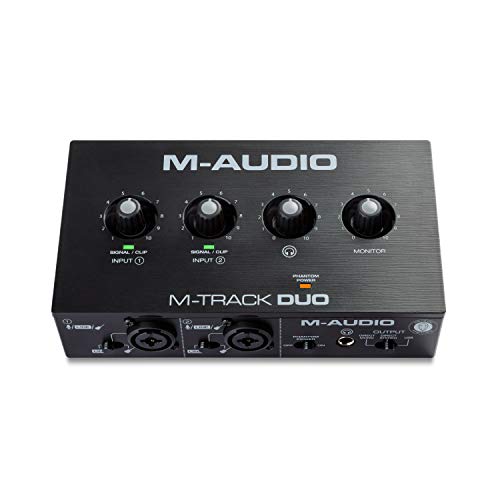
The M-AUDIO M-Track Duo provides versatile tracking with two combo inputs and straightforward monitoring options. It’s designed for creators who need reliable 48kHz recording and decent pre-amps without steep learning curves. The USB/Direct switch enables zero-latency monitoring, making it a practical choice for podcasts, voiceovers, and basic music recording. It’s a solid all-around option for budget-minded users who still want solid audio fidelity and easy operation.
Who it’s best for: beginners and budget-conscious home studios needing a simple, effective interface. Why chosen: balance of two inputs, direct monitoring, and portability. Caution: entry-level pre-amps may be less robust for very loud loud sources or demanding mic setups compared with premium models.
Jolgoo 2×2 USB Audio Interface
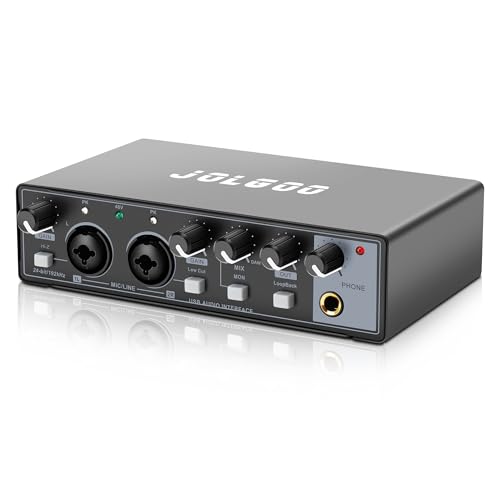
The Jolgoo 2×2 interface provides a robust 24-bit/192kHz workflow with direct monitoring and phantom power, making it suitable for professional-sounding voice work, instrument recording, and streaming. The dual inputs and USB-powered design enhance portability for project studios and mobile setups. It’s best for users who need high-resolution capture without a heavy-footprint device or external power supply.
Who it’s best for: mobile producers and small studios seeking high-resolution capture in a compact form. Why chosen: strong high-resolution specs and convenient direct monitoring. Caution: ensure compatibility with your computer’s USB-C or USB-A ports and driver requirements, as some setups benefit from USB-C direct compatibility.
Buying Guide
What matters most for an interface with sub out
Consider routing options: a dedicated sub out can simplify bass-heavy monitoring and distance-correct listening. Look for interfaces with at least one dedicated main outputs and a secondary output suitable for a sub or monitor offset. Latency, driver stability, and driver-free operation (class-compliant USB-C) are key for seamless performance during streaming or tracking.
Why Air or presence modes help
Air mode or presence features in Scarlett-branded interfaces elevate vocal and guitar tones, giving recordings more perceived space. If you perform with acoustic guitars or intimate vocals, these modes can improve clarity without requiring external processors.
Monitoring options to suit different setups
Three monitoring modes in some interfaces are valuable for versatile workflows. Stereo monitoring preserves the source mix, Mix mode allows live input plus computer audio, and USB mode focuses on computer audio. Choose based on whether you need real-time monitoring for tracking or post-production work.
Input count and mic/line flexibility
Two-input interfaces are common for solo artists, but if your workflow includes drum machines, multiple mics, or stereo pair recordings, you’ll want models with more inputs or expandability. Look for XLR/Line combo ports and phantom power when using condenser mics.
Connectivity and compatibility
USB-C interfaces often offer the best future-proofing and plug-and-play performance with modern laptops. If you use iPads or other mobile devices, verify compatibility and power requirements to avoid needing extra hubs or power supplies.
Bottom-line picks for sub-out readiness
For clear monitoring with a dedicated sub-out, prioritize interfaces with robust monitoring routing, reliable pre-amps, and solid converter quality. The five options above balance price, portability, and professional sound characteristics suitable for a range of home studios and streaming setups.
FAQ
Q: Do I need a separate subwoofer output on an audio interface?
A: Not always. If your monitoring layout relies on a sub for low-end accuracy, an interface with a dedicated sub or main outputs can simplify routing without extra mixers.
Q: Is Air mode essential for vocal recording?
A: It’s a tonal enhancement. It can improve presence, especially on brighter mics, but it’s not required for quality vocal takes.
Q: Can I use any USB-C interface with a Mac or PC?
A: Most modern USB-C interfaces are cross-platform, but always verify driver support and compatibility with your OS version before purchase.
Q: Do I need external power for these interfaces?
A: Many compact models are bus-powered via USB. If you plan to record at higher gain or with dynamic mics, ensure sufficient power and proper USB specifications.
Q: Is two-input enough for a home studio?
A: For solo performers or two-mics, yes. If you plan multi-mic drum tracks or full-band recording, consider interfaces with more inputs or expandability.