
Best Back of Neck Headphones for Comfort, Fit, and Portability
Looking for back-of-neck headphones that stay in place during workouts, travel, or daily use? This guide picks five top options and explains who they’re best for, plus practical considerations like comfort, durability, and control. Ideal buyers include athletes needing secure fit, commuters seeking portability, and multimedia listeners who want a lightweight, neck-friendly design. The table below highlights key choices and their standout traits.
| Product | Best For | Key Benefit |
|---|---|---|
| CORINTH Distributed by MCM Back of Neck Lightweight Headphones | General use, light travelers | Balanced sound with a standard 3.5mm plug |
| RCA HP245 Folding Neckband Style Headphone | Travel and daily commuting | Folds flat for compact storage |
| RTUSIA Small Bluetooth Headphones Wrap Around Head | Running and gym workouts | Lightweight, behind-the-neck design with battery life |
| Ortizan Open Ear Headphones | Open-ear comfort, outdoor activity | Air conduction delivers sound without blocking ears |
| Williams Sound Stereo Sound Behind the Head Headphones | Low-profile, behind-the-head listening | Wired, lightweight with compact cord |
CORINTH Distributed By MCM Back Of Neck Headphones

Features: Frequency response 20Hz-20KHz, impedance 32 ohm, driver diameter 30mm, ferrite magnets, 6-foot cord with a standard 3.5mm plug.
Best for: Everyday listening with reliable wired performance. This model suits users who want a traditional wired connection and a lightweight neck-collar fit for desk work, travel, or casual workouts. The 32-ohm impedance and 30mm drivers provide a balanced sound profile suitable for a broad range of genres.
Why selected: A straightforward, budget-friendly option for those who prefer a wired connection without bulky earmuffs. The 6-foot cord offers reach for computer setups and living rooms alike. Caution: Wired design with a 3.5mm plug may limit compatibility with newer devices that rely on USB-C or wireless audio.
RCA HP245 Folding Neckband Headphones

Features: Wired connectivity, neckband stays in place for unrestricted mobility, foldable neckband for travel.
Best for: Travelers and people who need a compact, foldable design that travels well and stays secure during movement. The folding neckband aids packing and storage in small bags or sleeves.
Why selected: The foldable design makes it easy to carry, and the neckband format helps prevent headphones from slipping during workouts. Caution: Wired only; no built-in microphone is listed here, which may matter for hands-free calling in some models.
RTUSIA Small Bluetooth Headphones Wrap Around Head
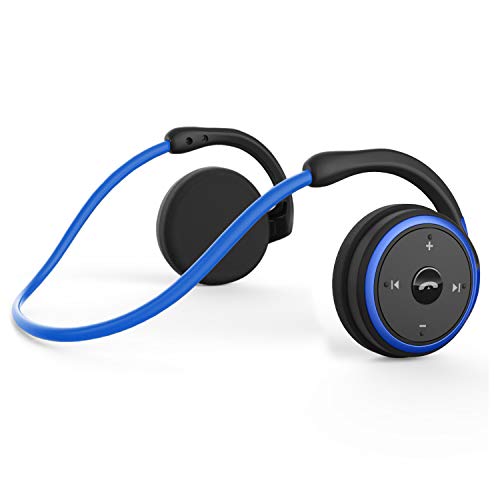
Features: Bluetooth wireless, built-in microphone, foldable and highly portable, 12-hour battery life (Blue variant).
Best for: Active users who want a compact wireless option for running, gym sessions, or commuting. The behind-the-neck design helps keep the headphones stable during movement, and Bluetooth provides cable-free use.
Why selected: Lightweight and easy to carry, with substantial battery life for longer workouts. Caution: Open-water or rain exposure can affect battery longevity; ensure the device is kept dry during workouts in wet conditions.
Williams Sound Stereo Sound Behind The Head Headphones

Features: Wired, behind-the-head design with a 3-foot cord, lightweight with a basic stereo setup, 90-day warranty.
Best for: Users needing a low-profile, behind-the-head wired option for studio monitoring, video editing, or quiet home listening where a longer cord isn’t required.
Why selected: The behind-the-head form keeps cords away from the desk or workspace, reducing snagging. Caution: Short cord length may be limiting for some setups; consider a longer extension if needed.
Ortizan Open Ear Headphones

Features: Open-ear design with air conduction, 14.2 mm dynamic drivers, IPX6 waterproof rating, 19g weight, Bluetooth 5.3.
Best for: Outdoor activities where you want to hear ambient sounds and avoid canal occlusion, such as running or cycling in traffic-heavy areas. The open-ear design reduces ear fatigue over long listening sessions.
Why selected: Open-ear comfort plus water resistance makes these a strong choice for athletes who need situational awareness. Caution: Open-ear headphones typically have less isolation and bass depth compared to closed designs.
Buying Guide
- Fit and stability: If you move a lot during use, prioritize neckband or behind-the-head styles with secure grips. Avoid models that shift or press uncomfortably during activity.
- Wired vs wireless: Wired options provide consistent latency and no charging needs, while wireless models offer freedom from cables. Consider battery life if you choose Bluetooth listening for workouts or commutes.
- Sound profile: Look for a balanced to slightly boosted bass response for general music playback. If you prefer vocal clarity for calls, choose headphones with clear microphone capture and minimal ambient noise.
- Durability and water resistance: For outdoor use, IP ratings and rugged materials help. Sweat and weather resistance extend device life during workouts.
- Cable length and portability: Longer cords are flexible for desk use, but shorter or foldable designs save space for travel. Consider whether a case or pouch is provided or available separately.
- Compatibility and controls: Ensure Bluetooth versions (if wireless) and control layouts fit your device ecosystem. A built-in mic is a plus for hands-free calls and voice assistants.
Frequently Asked Questions
- What is the main advantage of back-of-neck headphones? They stay secure during movement and are typically more lightweight and ergonomic for all-day wear compared to bulky over-ear models.
- Are open-ear headphones better for safety outdoors? Yes, they allow you to hear ambient sounds, improving situational awareness while running or cycling.
- Is wired or wireless better for workouts? Wireless offers freedom of movement, but wired eliminates battery anxiety and latency concerns in some contexts.
- Can these be used with smartphones without a headphone jack? Some models use USB-C or Bluetooth, so verify the connection type with your device.
- What should I consider for travel? Look for foldable designs, compact cases, and reliable battery life (for wireless models) to maximize portability.
- Do these include in-line controls? Some do; check the product features for call, track, and volume control compatibility to match your usage needs.