
Compact Guide: This article compares portable practice amps, DIY amplifier boards, and full bass combo amps to help you choose the right bass amp and speaker setup for practice, recording, or small shows. Below is a quick summary table of the five selected products for easy comparison.
| Product | Type | Key Feature |
|---|---|---|
| Fender Rumble 15 V3 | Practice Bass Combo | 15W with 6″ speaker, overdrive and mid-scoop |
| JOYO Vibe Cube BA-30 | Portable Bass Combo | 30W, Bluetooth 5.1, 3-band EQ + compressor |
| GLARRY Electric Bass Combo Amp | Practice Bass Combo | 20W with headphone/MP3 input and tone controls |
| ARRAROWN ZK-1002T | Amplifier Board | 100W+100W Bluetooth amp board with treble/bass control |
| Celestion Pulse 10″ Speaker | Replacement Speaker | 10″ Kevlar loaded cone, 8 Ohm |
Fender Rumble 15 V3 Bass Amp For Bass Guitar

The Fender Rumble 15 V3 is a compact practice bass combo offering 15 watts of power and an 8″ Fender Special Design speaker. The top-mounted control panel uses soft-touch knobs for intuitive tone shaping. Features include an overdrive circuit and a mid-scoop contour switch to dial classic Rumble-style tones for practice and small bedroom sessions. The size and output make it suitable for silent practice with modest volume needs and for capturing direct DI-style tones for demos.
JOYO 30W Vibe Cube BA-30 Portable Bass Amp

The JOYO Vibe Cube BA-30 delivers 30W through a 4″ full-range speaker and LF radiator for enhanced low-end punch. It includes a 3-band EQ with a Mid Freq control, built-in compression to smooth dynamics, and Bluetooth 5.1 plus OTG recording via Type-C for direct recording or livestreaming. This amp suits solo players, livestreamers, and home-recording bassists who need connectivity and tone shaping in a compact package.
GLARRY Electric Bass Combo Amp Portable Practice Amp

The GLARRY bass combo is a lightweight 20W practice amp with dedicated bass, middle, treble controls, an AUX MP3 input for play-alongs, and a 1/4″ headphone jack for silent practice. Its compact form and belt clip emphasize portability for students and beginners. The integrated tone controls allow quick adjustments for different playing styles and room sizes.
ARRAROWN ZK-1002T 2.0 Channel Bluetooth Amplifier Board

The ARRAROWN ZK-1002T is an amplifier board aimed at DIY speaker builders and custom installs. Rated at 100W+100W, it supports Bluetooth 5.0 and AUX inputs, offers independent treble and bass adjustment, and includes AM interference suppression and low-noise front-stage op-amps for cleaner output. Use this board to power passive bass speaker cabinets, build a compact powered monitor, or upgrade an existing cabinet for higher wattage and Bluetooth connectivity.
Celestion Pulse 10″ Bass Guitar Speaker
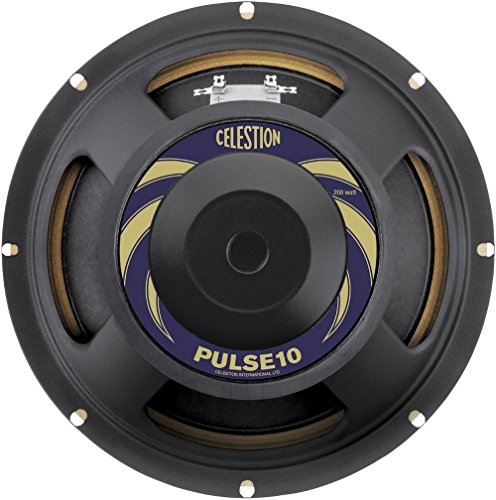
The Celestion Pulse 10″ is a passive bass speaker featuring a Kevlar-loaded cone and an 8-ohm impedance. As a replacement or upgrade speaker for combo amps and custom cabs, it emphasizes durability and defined low-mid response. Suitable for builders and players who want to alter speaker character—install in a cabinet or pair with an external amp head or amplifier board for a tailored bass tone.
Buying Guide: Choosing The Right Bass Amp And Speaker
Selecting a bass amp and speaker depends on intended use, power needs, portability, tone control, and upgradeability. Below are the most important considerations and comparison perspectives.
Power And Wattage
- Practice/Home Use: 10–30W combo amps (e.g., Fender Rumble 15, JOYO BA-30) provide ample volume for practice and small-room playback.
- Small Gigs/Recording: 50–100W or higher with dedicated speaker cabinets are better for stage presence and headroom.
- Headroom: More wattage preserves clarity at higher volumes and reduces distortion when pushing low frequencies.
Speaker Size And Tone
- 4″–8″ Speakers: Compact and portable, emphasize mid presence; good for practice and streaming.
- 10″–15″ Speakers: Deliver fuller low end and better projection for live settings.
- Replacement Speakers: Swapping to a higher-quality driver (e.g., Celestion Pulse) can noticeably change cabinet character without changing electronics.
Controls And Tone-Shaping
- EQ Bands: Basic bass/treble works for beginners; 3-band EQ plus mid-frequency sweep (found on JOYO) allows precise sculpting.
- Special Circuits: Mid-scoop contours and overdrive change character and suit different genres.
- Compression/Effects: Built-in compression helps even out dynamics for recording and solo performance.
Connectivity And Features
- Bluetooth/AUX: Useful for practicing with backing tracks or streaming. Bluetooth 5.x offers more stable connections and lower latency.
- Headphone Outs: Essential for silent practice and direct monitoring.
- Recording/DI Options: OTG or DI outputs simplify direct recording into devices without microphone placement.
Portability Vs. Stage Use
- Lightweight Combos: Ideal for students and home practice—easy to transport.
- Cabinets + Heads/Boards: More flexible for gigging; amplifier boards like ARRAROWN let you build custom powered speakers to match venue needs.
DIY And Upgrade Paths
- Amplifier Boards: Offer modular upgrades—use with passive speakers to scale power and connectivity.
- Speaker Swaps: Replacing the driver can shift tonal balance significantly; match impedance and enclosure volume when upgrading.
Reliability And Protection
- Speaker Protection: Look for features like thermal or speaker protection to avoid damage at high volumes.
- Build Quality: Durable cones (Kevlar-loaded) and robust cabinets increase long-term reliability.
Compare products by matching power to venue size, confirm speaker compatibility for upgrades, and prioritize the connectivity you need for practice, recording, or live performance. Objective evaluation of wattage, speaker size, EQ flexibility, and I/O will guide the right purchase for your application.