
Best Battery Powered Microphone Preamps for Clear, Portable Sound
When you need clean gain on the go, a battery powered microphone preamp can be the difference between muddy recordings and studio-like clarity. This guide highlights top options suited for podcasters, live streamers, field reporters, and mobile musicians. Each pick supports 48V phantom power or built-in battery, helping you power dynamic and condenser mics without a traditional studio setup. Below, compare five strong choices to help you choose the right preamp for your recording environment and microphone type.
Summary table of selected products:
| Product | Best For | Key Benefit |
|---|---|---|
| FOSA Mic Preamp | Vocal recording, compact setups | 20 dB gain, 48V power, low noise |
| Yunir Mic Preamp | Dynamic condensers, on-the-go | 20 dB gain, 48V power, low noise |
| VBESTLIFE 48V Preamp | Live streaming, field recording | 28 dB gain, built-in battery option |
| JCANOL MIC-1 | Studio and field use | Up to 75 dB gain, dual outputs |
| Xvive P1 | Condenser mics without power | Rechargeable phantom power, long endurance |
FOSA Microphone Preamp With 48V Power

The FOSA mic preamp provides balanced amplification with 20 dB gain for clean, transparent signal boost. It includes 48V phantom power to work with both dynamic and condenser mics, and a fully balanced circuit design aimed at ultra-low noise. This makes it a strong option for singers, podcast hosts, and field reporters who need compact power and dependable noise performance. Best for solo vocal setups or small studios where minimal coloration is important.
Best for: Singers and podcasters who need a lightweight, low-noise preamp with reliable phantom power. Caution: May not suit very high-output studio microphones without additional gain stages.
Yunir High Gain Rechargeable Mic Booster

The Yunir mic preamp offers 20 dB gain with 48V power, designed to support both dynamic and condenser mics. It emphasizes low noise through a balanced circuit design, making it suitable for recording in small studios or on-the-go setups where clean amplification is essential. Its built-in battery and robust construction provide flexibility for mobile creators and live performers alike. Best for: Users who value quiet operation and portability in a compact package.
Limitations: Ensure compatible with your microphone’s impedance and output level to avoid mismatch in gain staging.
VBESTLIFE 48V Power Microphone Preamp

This preamp emphasizes a slim aluminum build and reliable gain with 28 dB, aimed at boosting passive mics without introducing noise. It highlights output buffering to improve long cable runs and reduce RF interference, buzz, and hum. It is well-suited for live streaming, on-stage performances, and studio work where simple, durable gain is required. Best for: Mobiliy-focused users who need a robust, low-noise preamp with decent gain. Caution: Higher gain stages may still benefit from additional level control in complex rigs.
JCANOL MIC-1 with Dual Outputs

The JCANOL MIC-1 delivers up to 75 dB of clean gain and very low noise (-120 dB EIN). It provides 48V phantom power and dual outputs (XLR plus 3.5 mm) for flexible routing. Note that the two input ports cannot operate simultaneously, so use one at a time. This model is ideal for quiet sources needing high headroom, such as low-output dynamic mics in studio settings or field interviews paired with a DI input. Best for: Sound engineers needing high gain and multiple output options. Caution: Do not expect simultaneous use of both inputs; plan your signal path accordingly.
Xvive P1 Phantom Power Supply
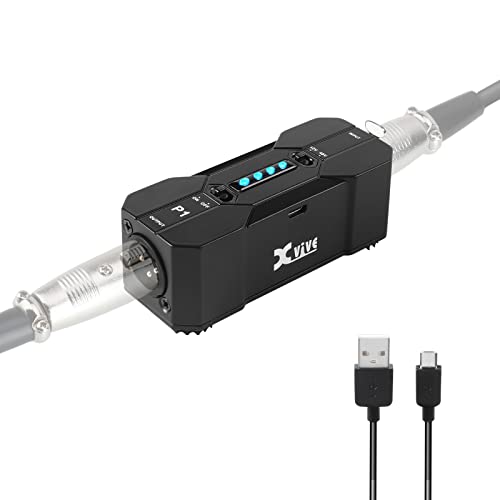
The Xvive P1 provides rechargeable phantom power for condenser mics and other devices—up to 40 hours of use. It operates at 12V and 48V, accommodating a wide range of microphones and recording gear. Its compact form factor makes it ideal for mobile podcasts, remote shoots, and small studios needing dependable phantom power without constant wall access. Best for: Creators who need portable phantom power with long battery life. Caution: Verify compatibility with devices that require higher current for demanding condensers.
YWBL-WH High Gain Microphone Amplifier

The YWBL-WH unit emphasizes high gain with automatic level control (ALC) and a compact aluminum shell. It is designed for recording and headphone monitoring, providing 1000x amplification in a simplified package. This makes it suitable for applications where you need to hear very quiet signals clearly, such as podcast interviews or field recordings. Best for: Users who need strong gain and monitoring in a portable setup. Caution: The ALC feature may require careful gain staging to avoid overcompression.
COMICA LINKFLEX.AD3 2-Channel Mixer Preamp

The COMICA LINKFLEX.AD3 offers two channels with phantom power and real-time monitoring. It features mono and stereo switching, plus XLR output with 3.5 mm auxiliary outs for flexible routing. This is a practical option when recording two sources simultaneously and wanting precise control over each signal. Best for: Small studios or on-the-go setups needing two-channel preamp capabilities and live monitoring. Caution: Stereo output may be limited when used with some mobile devices, so test your workflow in advance.
Buying Guide: Key Considerations for Battery Powered Mic Preamps
- Gain and headroom: Compare maximum gain (dB) to ensure your quietest sources can be boosted without introducing noise or distortion. High headroom is beneficial for dynamic mics.
- Power source: Look for built-in battery, 48V phantom power, or both. Battery-powered options enhance portability, while phantom power ensures compatibility with most condenser mics.
- Noise performance: Seek models with low EIN (equivalent input noise) and balanced circuitry to minimize hiss and coloration.
- Impedance matching: Ensure the preamp input impedance suits your microphone type (dynamic vs condenser) to preserve level and tone.
- Output options: XLR and 3.5 mm outputs enable flexible routing to mixers, recorders, or cameras. Dual outputs can simplify workflow in multi-mic setups.
- Portability vs. features: Slim designs are ideal for field use, but some users may prefer built-in monitoring, DI compatibility, or extra gain stages for studio use.
- Battery life and charging: If choosing an external battery or rechargeable option, consider run time and charge time for your typical recording schedule.
FAQ
- What is a battery powered microphone preamp used for? It amplifies mic signals with minimal noise while enabling operation away from mains power, useful for field recording, podcasts, and live performances.
- Do I need phantom power with a battery preamp? Many preamps provide 48V phantom power for condenser mics; check your mic’s requirements and the device’s specs.
- Can these preamps handle both dynamic and condenser mics? Yes, several models in this list support both types, but verify impedance and gain specs for your specific mic.
- Is higher gain always better? Not necessarily. Use sufficient gain to reach a clean signal without introducing noise or clipping; balance with input echo and downstream gear.
- Should I choose a two-channel preamp or a single-channel model? Two-channel units are helpful when recording two mics simultaneously, such as interviews or small ensembles.
- What should I test before buying? Test gain staging, phantom power stability, noise floor, and how well the unit handles long cable runs with your mic and recorder.