
Looking For A Bluetooth Speaker Conversion Kit To Update Speakers Or Build A Custom Portable Speaker? Below Are Five Top DIY Kits And Bluetooth Receiver Modules That Make It Easier To Add Wireless Audio To Passive Speakers, Stereo Systems, Or Custom Builds. The Quick Summary Table Helps You Compare Core Features At A Glance.
| Product | Core Feature | Best For |
|---|---|---|
| CYOEST DIY Bluetooth Speaker Box Kit | Laser-cut wood case, no soldering | STEM projects & beginners |
| Xvive P3 XLR Bluetooth Receiver | XLR output, 16-bit/48kHz DAC | Live sound, PA systems |
| Qiilu 5W+5W Bluetooth Amplifier Board | Mini amplifier module, stereo 5W each | Small custom speaker builds |
| Golvery Bluetooth 5.4 Receiver Adapter | 3.5mm/RCA outputs, long battery life | Reviving old speakers / car installs |
| WOSVMN DIY Wood Case Bluetooth Speaker Kit | Laser-cut wood, indicator light, accessories | Personalized wood-case projects |
CYOEST DIY Bluetooth Speaker Box Kit

This Kit From CYOEST Is Designed For Users Who Want A Hands-On Build Without Soldering. It Includes Laser-Cut Wooden Components, Two 2″ Full-Range Speakers (4Ω, 3W), And A Dual-Channel Bluetooth Amplifier Board. The Kit Requires Four Batteries (Not Included) For Portable Use And Can Also Be Powered Externally Depending On Your Assembly.
- No-Solder Assembly: Laser-cut parts And Clear Instructions Make Construction Accessible To Beginners.
- Bluetooth Connectivity: Pair Smartphones And Computers Easily For Wireless Playback.
- STEM Focus: Promotes Learning About Circuits, Sound, And Engineering.
Xvive P3 XLR Bluetooth Receiver For PA Systems

The Xvive P3 Is A Professional-Grade XLR Bluetooth Receiver Intended To Add Wireless Input To Active Speakers, Mixers, And DJ Equipment. It Uses A 16-Bit/48kHz DAC For Higher-Fidelity Playback And Supports Mono Or, With Dual Units, Stereo-Linking. The Unit Is Suited For Live Sound And Permanent Installations Where XLR Connectivity Is Required.
- XLR Output: Directly Connects To PA Speakers And Mixers.
- High-Fidelity DAC: 16-Bit/48kHz Resolution For Low Distortion Wireless Audio.
- Live Sound Use: Designed For Stability And Compatibility With Pro Audio Gear.
Qiilu Mini Bluetooth Amplifier Board 5W+5W

This Small Bluetooth Receiver And Amplifier Module Provides Stereo 5W + 5W Output And Is Intended For Compact DIY Speaker Projects. The Board Uses A High-Performance Amplifier Chip To Deliver Practical Sound For Small Enclosures. It’s Useful When You Have Passive Drivers And Need A Simple Wireless Amplification Solution.
- Compact Module: Easy To Integrate Into Small Enclosures Or Custom Housings.
- Stereo Output: Two Channels At 5W Each For Small Drivers.
- High Compatibility: Works With Most Bluetooth Source Devices.
Golvery Bluetooth 5.4 Receiver Adapter For Speakers
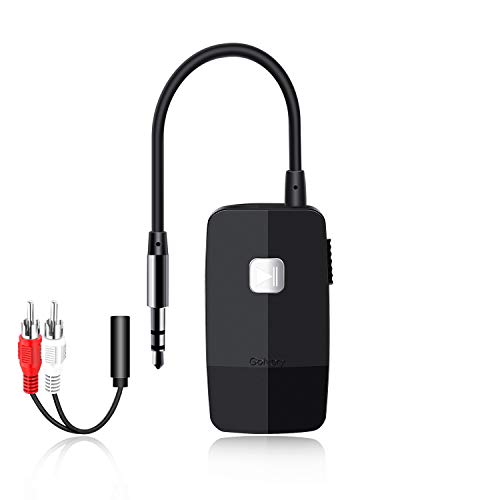
The Golvery Receiver Is A Portable Bluetooth 5.4 Adapter Designed To Convert Wired Speakers Or Older Stereos To Wireless Playback. It Offers A2DP Profile Support, 3.5mm And RCA Outputs, And Extended Battery Runtime. This Adapter Is A Practical Choice When You Want To Add Bluetooth To An Existing Speaker Without Major Modifications.
- Bluetooth V5.4: Improved Stability And Range Compared To Older Receivers.
- 3.5mm/RCA Outputs: Compatible With Many Amplifiers And Powered Speakers.
- Battery-Powered Option: Useful For Portable Or Car Installations.
WOSVMN Craft Kit DIY Wood Case Bluetooth Speaker

The WOSVMN Kit Includes Laser-Cut Wood Panels, Two Speakers, An Audio Module, Battery Box, Screws, Wires, And A Screwdriver. It’s Built For Users Who Want To Personalize A Wooden Speaker Enclosure And Learn Basic Electronics During Assembly. The Kit Emphasizes Creative Decoration And Practical Learning.
- Complete Kit: Includes Loudspeakers, Wiring, Battery Box, And Tools For Assembly.
- Indicator Light: Simple Power/Status Feedback Without A Dedicated Switch.
- Customizable Enclosure: Laser-Cut Panels For Painting Or Decoration.
Buying Guide: How To Choose A Bluetooth Speaker Conversion Kit
Choosing The Right Kit Or Receiver Depends On Your Project Goals, Existing Equipment, And Skill Level. Below Are Key Considerations To Compare Kits And Modules Objectively.
Compatibility With Existing Speakers
Check Speaker Impedance (Ω) And Power Handling To Match The Amplifier Or Receiver. Small Modules Often Deliver 3–10W Per Channel, Suitable For Small Drivers. For Passive Home Speakers Or PA Systems, Prefer Line-Level Or XLR-Compatible Receivers.
Connection Type
Decide Whether You Need A Direct Amplifier Board (To Drive Passive Drivers) Or A Receiver Adapter (To Feed An External Amplifier). XLR Outputs Suit Pro Audio. 3.5mm/RCA Options Work For Consumer Stereo Systems.
Assembly Complexity
Determine If You Want A No-Solder Kit With Laser-Cut Parts For Easy Assembly, Or A Soldering Kit For Learning Electronics And Customization. No-solder Kits Are Quicker; solder kits Offer More control Over Component Layout.
Power Options
Consider Battery Vs. Mains Power. Portable Kits Often Use AA Or Built-In Batteries; amplifier boards may need a regulated DC supply. Match Voltage And Current Requirements To Avoid Damage.
Audio Quality And Latency
Look For DAC Specs And Supported Bluetooth Versions. Higher Bluetooth Versions And Dedicated DACs Reduce Dropouts And Improve Fidelity. For Video-Oriented Use, Choose Low-Latency Solutions Or Modules That Specify Minimal Delay.
Form Factor And Enclosure
Ensure The Kit Or Board Fits Your Enclosure Dimensions. Laser-Cut Wood Panels Simplify Enclosure Construction. Verify Mounting Points, Speaker Cutouts, And Venting For Bass Performance.
Expandability And Features
Some Modules Include AUX, TF/USB Playback, Or Radio Tuner Functions. Consider Whether You Need Stereo-Linking, External Controls, Or LED Displays For Usability.
Use Case Perspectives
- Beginner / STEM Projects: Choose No-Solder Kits With Step-By-Step Instructions And Pre-Matched Speakers.
- Pro Audio / Live Sound: Choose XLR Receivers With High-Quality DACs And Stable Pairing.
- Retrofit Old Speakers: Choose Portable Bluetooth Receivers With RCA/3.5mm Outputs And Battery Or USB Power.
- Custom Builds: Choose Standalone Amplifier Boards That Match Driver Power And Enclosure Size.
Comparing These Factors Will Help You Match A Bluetooth Conversion Solution To Your Technical Ability, Listening Preferences, And The Existing Hardware You Plan To Update.