
Looking For A Bone Conduction Bluetooth Speaker? This guide compares compact bone conduction speakers, under‑pillow sleep models, and vibration surface speakers to help you find the right device for sleep privacy, portability, or louder surface‑amplified sound. Below is a quick comparison of the selected models.
| Product | Primary Use | Key Features |
|---|---|---|
| pockettunes Bluetooth Speaker (Pack Of 2) | Portable Surface Speaker | Bone conduction, compact, louder volume, rich bass |
| borotess Pillow Speaker For Sleeping | Under‑pillow Sleep Speaker | Bluetooth & TF, white noise, sleep timer, side‑sleeper friendly |
| STEHEALTH Under Pillow Speakers | Sleep & White Noise | Built‑in white noise, TF/Bluetooth, timer, portable |
| Okjew Wireless Bone Conduction Speaker | Party / Surface Vibration | Bone conduction + vibration, LED lights, 7.5W, 360° sound |
| Humbird Bone Conduction Speaker (duraMOBI) | Surface Amplifier / Portable | Transforms hollow surfaces, TWS stereo, high volume |
pockettunes Bluetooth Speaker, Bone Conduction Portable Wireless Speaker (Pack Of 2)

Overview: Compact portable speakers designed to use bone conduction by coupling to hollow surfaces to boost volume and bass. The pack includes two mini speakers for wider coverage.
- Sound: Advertised as delivering louder volume and rich bass despite small size.
- Portability: Weighs about 4.2 ounces for easy transport.
- Use Cases: Outdoor activities, small gatherings, amplifying sound using tables, doors, or other resonant surfaces.
This model emphasizes surface‑amplified sound rather than direct head conduction; pairing two units allows broader stereo placement.
borotess Pillow Speaker For Sleeping – Bluetooth Bone Conduction Sleep Sound Speaker

Overview: Designed to sit under a pillow and deliver sound via bone conduction so ears remain free. Targeted at side sleepers who want private audio or white noise without earbuds.
- Connectivity: Bluetooth pairing and TF card playback for phone‑free operation.
- Sleep Features: Built‑in white noise capability and compact form factor to fit inside pillowcases.
- Portability: Lightweight and travel friendly.
Suitable for users prioritizing sleep privacy and comfort, with direct sound delivery to the sleeper while minimizing disturbance to others.
STEHEALTH Under Pillow Speakers For Sleeping Bluetooth, Bone Conduction

Overview: Sleep‑focused pillow speaker combining Bluetooth and TF card playback with built‑in white noise and a timer to support restful sleep routines.
- White Noise & Timer: Multiple soothing sound options and an energy‑saving sleep timer.
- Connectivity: Bluetooth streaming plus TF card slot for offline audio.
- Design: Lightweight and portable for travel or home use; side‑sleeper friendly.
Feature set centers on sleep enhancement and convenience, offering both preloaded calming sounds and the ability to stream your own content.
Okjew Wireless Bone Conduction Speaker With LED Lights
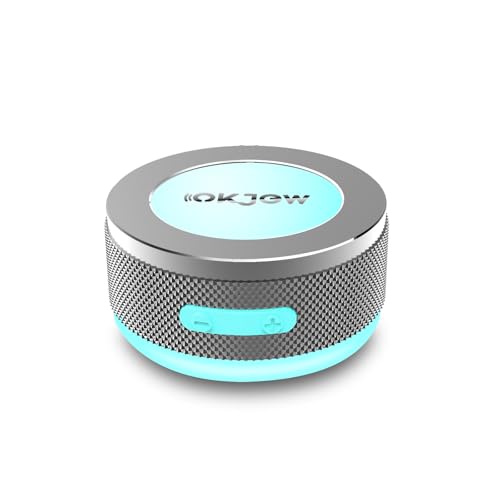
Overview: A bone conduction and vibration speaker that adds visual flair with LED lights and emphasizes immersive, 360° sound with a 7.5W output.
- Bone Conduction + Vibration: Combines tactile vibration with airborne audio for multi‑sensory effect.
- Power & Coverage: 7.5W output and claimed 360° surround experience for small rooms or parties.
- Portability: Compact and suited to outdoor or indoor gatherings where both sound and visuals matter.
Best for users who want party features plus the novelty of bone conduction and surface vibration effects.
Humbird Bone Conduction Speaker (duraMOBI)

Overview: A very small bone conduction speaker that is designed to transform hollow surfaces—tables, walls, musical instruments—into amplified soundboards.
- Surface Transformation: Turns common hollow surfaces into speakers using vibration coupling.
- TWS Stereo: Supports pairing two units for true wireless stereo and broader soundstage.
- Volume & Bass: Marketed for high loudness and surprisingly strong bass for its size.
Useful when you want portable amplification without traditional speakers; performance depends heavily on the resonance of chosen surfaces.
Buying Guide: How To Choose A Bone Conduction Bluetooth Speaker
Bone conduction speakers vary by design and intended use. The right choice depends on whether you want sleep privacy, surface amplification, party features, or portability. Consider these core factors:
- Primary Use: Under‑pillow models focus on sleep and privacy. Surface/vibration speakers aim to amplify sound through tables or walls for louder output. Choose based on where and how you’ll listen.
- Sound Delivery: Bone conduction transmits vibration to surfaces or the skull; expect different tonal balance than traditional speakers. Surface resonance affects bass and loudness.
- Connectivity Options: Bluetooth is standard; TF card support allows phone‑free playback. Confirm Bluetooth version for range and stability.
- Battery Life & Charging: Sleep speakers often include timers and long runtimes. For portable party speakers, higher output may trade off battery life—check claimed hours and charge time.
- Privacy & Disturbance: Under‑pillow models aim to prevent others hearing audio. Surface speakers can be loud for nearby listeners—consider your environment.
- Durability & Waterproofing: If you plan to use speakers outdoors or in bathrooms, look for water resistance and robust build.
- Stereo Pairing: TWS capability lets you pair two units for wider stereo separation—valuable for parties or fuller soundstage.
- Form Factor & Placement: Pillow speakers should be thin and flexible to avoid discomfort. Surface speakers need good contact and benefit from flat, hollow materials.
- Additional Features: Built‑in white noise, sleep timers, LED lighting, and vibration modes can add value depending on your needs.
Comparison Perspectives
- Sleep-Focused vs Party-Focused: Sleep models (borotess, STEHEALTH) prioritize comfort, white noise, and private listening. Party/surface models (pockettunes, Humbird, Okjew) prioritize loudness, bass, and broader coverage.
- Portability vs Sound Output: Smaller units are easier to carry but depend on surface resonance to achieve volume. Larger or higher‑wattage devices deliver stronger direct output but may be bulkier.
- Surface Dependence: If you intend to use bone conduction on many surfaces, expect variability. Wood and hollow cavities usually produce better resonance than dense solids.
- Privacy Concerns: For shared spaces, choose under‑pillow designs to minimize disturbance. For personal outdoor use, surface speakers can provide louder experience but may carry beyond intended listeners.