Best Bone Conduction Headphones for Tinnitus and Safe Listening
Bone conduction headphones offer an open-ear listening experience that can help minimize ear fatigue and protect auditory comfort for tinnitus sufferers. This guide highlights five suitable options, explaining who they’re best for and why they stand out. Each pick prioritizes situational awareness, stable fit, and practical battery life to support workouts, commuting, and daily listening.
| Product | Brand | Why It Stands Out |
|---|---|---|
| Bone Conduction Headphones Bluetooth 6.0 Open Ear Headphones | Gavhaio | Best for secure fit during high-motion activities; strong open-ear audio |
| PSIER Bone Conduction Headphones | PSIER | Excellent sound sealing to reduce leakage; lightweight |
| CPTEA Bone Conduction Headphones | CPTEA | Great balance of sound quality and open-ear comfort |
| Gelecek Waterproof Open-Ear Bone Conduction Headphones | Gelecek | Stable Bluetooth 6.0 and long battery life |
| SHOKZ New OpenRun Pro 2 | SHOKZ | Premium open-ear design with deep bass and secure fit |
Gavhaio Bone Conduction Headphones
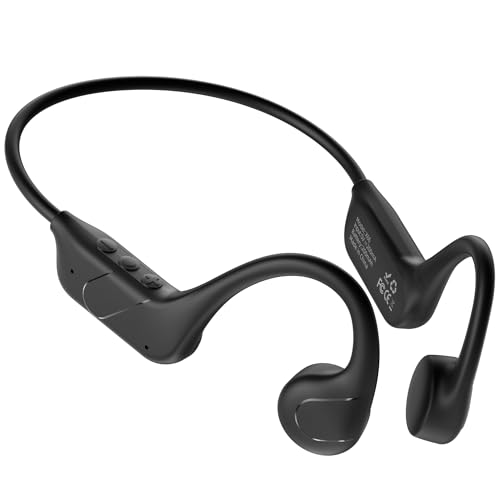
Best for active users who need a secure wraparound fit during running or cycling. Gavhaio uses Next-Gen open-ear bone conduction with an optimized acoustic structure for clear, balanced audio and reduced leakage. The 6.0 Bluetooth offers stable pairing up to 33 feet and 13 mm drivers deliver enhanced low-frequency performance. The ultra-light 28 g frame reduces ear pressure for longer wear. A potential limitation is that soundstage may be less immersive than enclosed-ear designs in very noisy environments.
PSIER Bone Conduction Headphones

Best for runners who want strong noise isolation without plugging the ears. PSIER uses a fully enclosed cavity with upgraded sealing to reduce sound leakage by up to 50% and maintain situational awareness. Weighing about 23 g, the lightweight frame and flexible memory-titanium design ensure a secure fit during fast movement. The 6.0 Bluetooth provides a stable connection with a 33-foot range. A consideration is that some users may prefer more bass emphasis for certain playlists.
CPTEA Bone Conduction Headphones

Choose this if you want a balance of open-ear comfort and clear, natural sound. CPTEA emphasizes 16 mm drivers for crisp highs and defined mids while preserving awareness of surroundings. The 27 g frame stays comfortable for long sessions and the Bluetooth offers quick pairing and a stable 33-foot range. A caution is that some users might notice slightly less bass impact compared with over-ear options.
Gelecek Open-Ear Bone Conduction

Best for those who need a long battery life and stable wireless performance. Gelecek uses Bluetooth 6.0 with a claimed 10-hour playback life and IPX5 waterproofing, making it suitable for rain, sweat, and outdoor workouts. The titanium-like frame is lightweight at around 29 g and designed to resist bending. A limitation is that higher-end bass may be more restrained to preserve open-ear awareness in busy environments.
SHOKZ OpenRun Pro 2

Best for premium open-ear audio and secure fit during high-intensity workouts. SHOKZ combines dual drivers for a blend of clear highs and deep bass, delivering about 12 hours of playback. The unibody frame and memory wire deliver a secure, lightweight fit that resists slipping during runs or gym sessions. A potential drawback is that the more advanced feature set comes at a higher price point and may be more than some casual listeners require.
Buying Guide
What should you consider when selecting bone conduction headphones for tinnitus?
Open-ear design helps maintain awareness of surroundings, which can reduce the anxiety some tinnitus patients feel in loud or unpredictable environments. Look for a model with clear mids and highs to ensure speech and audio cues remain intelligible without cranking volume.
Fit, comfort, and movement
Choose a lightweight frame with a secure fit that stays stable during activity. Wraparound or flexible frames help reduce pressure on the temples and ears, limiting fatigue during long wear sessions. Consider included adjustable straps or silicone seals for a personalized fit.
Sound quality vs. safety
Balanced sound with restrained leakage is ideal. A design that maintains surrounding sound is critical for safety during outdoor activities. Some models offer enhanced bass; if you prefer a brighter sound, look for specific tuning in the highs and mids.
Battery life and charging
For workouts or commutes, a longer battery life is beneficial. Check real-world playtime claims and charging time. IP ratings indicate protection against water and sweat, which matters for outdoor use and workouts.
Connectivity and latency
Bluetooth 6.0 or higher generally provides more stable connections and lower latency. If you plan to use the headphones for calls, verify mic quality and wind noise handling in the product’s feature set.
Usage scenarios
Runners and cyclists may prefer a very light, secure fit with good ambient awareness. Gym users and commuters might prioritize a robust battery and water resistance. Swimming requires an MP3 mode and IPX8 waterproof design, which is present in some models but not all.
FAQ
- Are bone conduction headphones good for tinnitus? Yes, they can reduce ear canal pressure and fatigue while keeping you aware of your surroundings, which may be beneficial for tinnitus management during activity.
- Do open-ear headphones leak sound? Some leakage can occur, especially at higher volumes, but many models are designed to minimize leakage for privacy and comfort.
- Can I use these headphones while swimming? Some models offer IPX8 waterproofing and MP3 modes suitable for swimming; verify waterproofing and features before underwater use.
- Which have the longest battery life? Battery life varies; select a model advertised with longer playback hours if you need all-day listening or long workouts.
- Do bone conduction headphones affect hearing health? They avoid deep insertion that can irritate the ear canal, but use at safe volumes and follow manufacturer guidelines to protect hearing health.
- Is Bluetooth 6.0 necessary? It improves connectivity and range; choose a model with the latest standard you find within your budget for reliability.