
Choosing the right center channel speaker for a vehicle or compact home setup affects dialogue clarity and midrange presence. Below is a concise comparison table of the selected products, followed by focused product sections and a practical buying guide.
| Product | Brand | Key Feature |
|---|---|---|
| WDiYA Universal Car Center Channel Speaker | WDiYA | 300W peak, no-cut surface mount |
| WDiYA Car Surface Mount Speakers (Tweeter Unit) | WDiYA | Silk film tweeter, universal bracket |
| Klipsch R-52C Center Channel | Klipsch | Dual 5.25″ spun-copper woofers, horn-loaded tweeter |
| Polk Monitor XT35 Slim Center Channel | Polk Audio | Low-profile, Dolby Atmos & Hi-Res compatible |
| Yamaha NS-C210 Center Channel | Yamaha Audio | 2-way bass-reflex with light aluminum woofers |
WDiYA Universal Car Center Channel Speaker
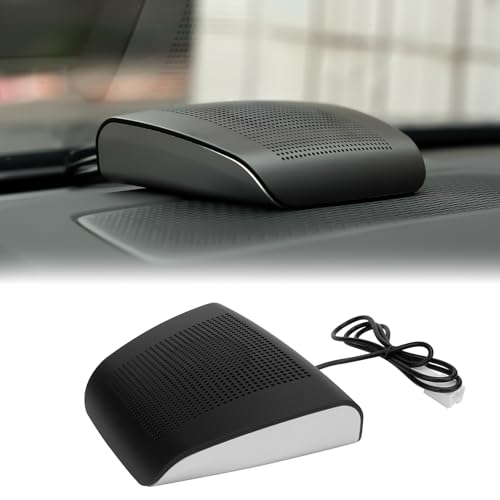
This WDiYA unit is designed specifically for in-vehicle center console installation with a universal surface mount bracket that claims no-cut, non-destructive installation. It lists 300W peak power and 4 ohm impedance, with a frequency range of 600–20,000 Hz, aiming to reproduce clear highs, precise mids, and extended bass within a compact form factor. The shell is described as flame-retardant and impact resistant, and the grille is dustproof. This model suits drivers seeking an easy-fit mid-dash upgrade for clearer vocals and improved center imaging.
WDiYA Car Surface Mount Speakers Premium Bass + Tweeter
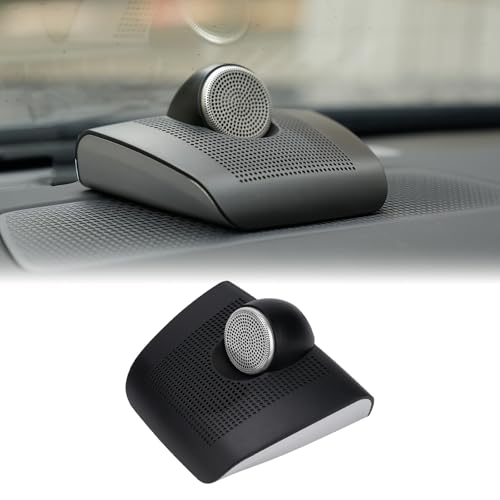
This WDiYA center-channel style speaker set emphasizes a silk film tweeter and surface-mount design for mid-dash placement. Spec highlights include 300W peak power, 4 ohm impedance, and a frequency range of 600–20,000 Hz. Installation is positioned as non-destructive thanks to a universal bracket. The durable shell and protective mesh grille are intended to provide long-term reliability in automotive environments. This product targets users wanting a simple swap or additional center speaker to improve midrange presence and vocal clarity.
Klipsch R-52C Powerful Detailed Center Channel
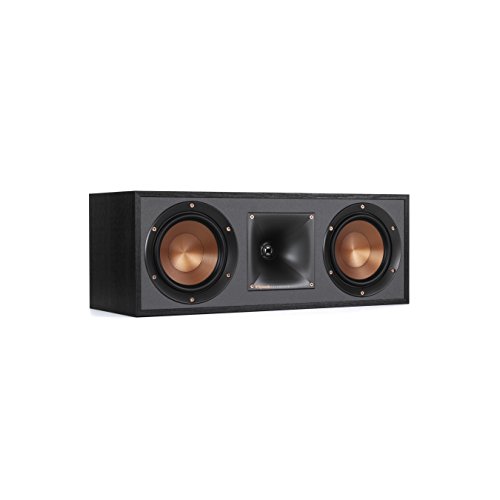
The Klipsch R-52C is a dedicated center channel for home theater systems that can also be used in custom vehicle or enclosure projects. It features dual 5.25″ spun-copper IMG woofers and a 1″ aluminum LTS tweeter mated to a 90×90 tractrix horn, delivering a listed response around 89 Hz–21 kHz. The horn-loaded tweeter design focuses on efficient high-frequency delivery and precise dialogue articulation. This model is relevant where a larger, high-efficiency center speaker is desired for clear speech and dynamic transient response.
Polk Monitor XT35 Slim Center Channel

The Polk Monitor XT35 is a slim, low-profile center channel designed to avoid blocking displays while delivering focused dialogue. It includes a 1″ terylene tweeter and four 3″ dynamically balanced woofers, and is marketed as Hi-Res Audio certified and compatible with Dolby Atmos & DTS:X systems. The XT35 supports 4- and 8-ohm loads for flexible AVR matching and aims to provide an open midrange with controlled bass, making it suitable for compact home theaters and custom installs where space is limited but vocal clarity matters.
Yamaha Audio NS-C210 Center Channel

The Yamaha NS-C210 is a two-way, bass-reflex center channel designed to reproduce the dynamic content of HD sources. It uses lightweight aluminum cone woofers for faster transient response and includes speaker cable for installation. Yamaha positions this unit for reliable dialogue reproduction and balanced midrange performance. The NS-C210 is appropriate for users integrating a center speaker into a matched Yamaha or multi-brand surround setup seeking consistent voice reproduction and straightforward compatibility.
Buying Guide: How To Choose The Best Center Channel Speaker
Selecting a center channel speaker depends on vehicle type, installation constraints, desired sound character, and equipment matching. Below are key considerations and comparison perspectives.
Form Factor And Installation
- Surface Mount vs. Enclosed Center Channels: Surface-mount automotive options like the WDiYA units are designed for no-cut installs and mid-dash placement. Home theater center speakers (Klipsch, Polk, Yamaha) typically require shelf, wall, or cabinet space and may need adapters for vehicle use.
- Size Constraints: Slim models (Polk Monitor XT35) are best where clearance is limited; larger boxes (Klipsch R-52C) demand more space but may deliver deeper mid-bass and higher output.
Power, Sensitivity, And Impedance Matching
- Impedance: Most car-specific models list 4 ohms to match automotive amplifiers. Home models often support 4–8 ohms; confirm your amplifier or receiver compatibility.
- Power Handling: Look at continuous RMS ratings where available. Peak power figures give a rough idea but continuous ratings matter for sustained clarity.
- Sensitivity: Higher sensitivity yields louder output for a given amplifier power—important when using lower-powered receivers.
Frequency Response And Voice Clarity
- Midrange Emphasis: The center channel should reproduce dialogue and vocals; drivers and crossovers designed for smooth midrange response improve intelligibility.
- Tweeter Design: Horn-loaded or tractrix-style tweeters (Klipsch) can enhance clarity and dispersion, while silk/terylene tweeters offer smoother highs and are common in compact designs (Polk, WDiYA).
Build Quality And Durability
- Automotive Use Considerations: Flame-retardant shells, dustproof grilles, and impact resistance are valuable for in-vehicle speakers exposed to temperature and vibration.
- Home Theater Durability: MDF or braced enclosures reduce resonance and improve midrange accuracy in home center channels.
Compatibility And System Integration
- Receiver/Amplifier Matching: Ensure impedance and sensitivity align with your receiver or car amplifier to avoid underpowering or overheating.
- Surround Format Support: For home use, verify compatibility with Dolby Atmos/DTS:X if object-based audio or up-firing modules are planned.
- Matching Tonal Character: For best timbral coherence, match the center channel to left/right speakers in the same product line when possible.
Use-Case Comparisons
- Quick Car Upgrade: Choose a surface-mount, no-cut option with vehicle-grade materials (WDiYA models) for fast installation and improved dialogue.
- Compact Home Theater: Select a slim center that won’t block the screen and supports Atmos/DTS:X (Polk Monitor XT35) for modern flat-screen setups.
- High-Output Home Cinema: Larger, horn-assisted or multi-woofer centers (Klipsch R-52C, Polk Signature Elite ES35) are better for dynamic range and louder systems.
- Balanced Multi-Brand System: A neutral, well-built center (Yamaha NS-C210) suits setups where matching speaker lines is not possible but voice clarity is required.
Consider placement, matching impedance to your amplifier, and whether you need a discreet low-profile solution or a larger, higher-output center. Prioritize midrange accuracy and crossover design for the best dialogue performance.