
Ceiling speaker back boxes improve sound isolation, bass response, and protect speaker components when installed in ceilings. Below is a quick comparison of selected products that pair well with in-ceiling installations and provide enclosure or mounting solutions.
| Product | Type | Key Feature |
|---|---|---|
| Pyle In-Ceiling Enclosed Speaker (PDIW87) | Enclosed In-Ceiling Speaker | Built-in enclosure, 8″ woofer, 400W peak |
| Monoprice 2-Way Aramid Fiber Ceiling Speakers | Ceiling Speakers With Back Cover | Protective back cover, Kevlar woofer |
| Bogen BG-RE84 Recessed Ceiling Speaker Enclosure | Dedicated Recessed Enclosure | Recessed box designed for round speakers |
| Polk Audio RC80i In-Ceiling Speakers | Moisture-Resistant In-Ceiling Speakers | Rubber seal for damp locations, aimable tweeter |
| Pyle PDIC81RDBK Flush In-Wall/In-Ceiling Speakers (Pack) | Flush Mount Ceiling Speakers | Versatile flush mount design, pack of 4 |
Pyle Ceiling Wall Mount Enclosed Speaker – PDIW87
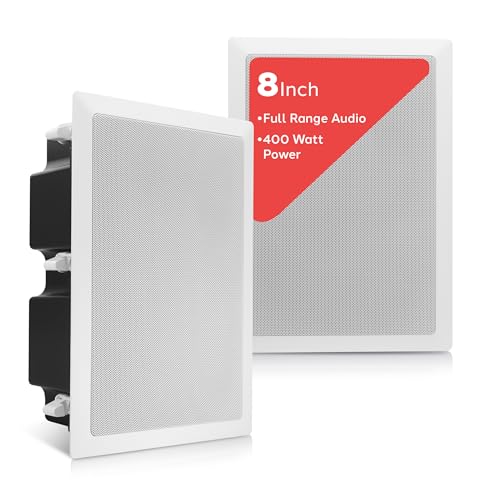
The Pyle PDIW87 is an in-ceiling/ in-wall enclosed full-range speaker that integrates its own enclosure to provide improved low-frequency response and reduced drywall resonance issues. Key listed features include a 50Hz–20kHz frequency response, an 8″ long-throw woofer, 1″ titanium dome tweeter, and a 4–8 ohm impedance that works with common receivers and amps.
Because this model includes an integrated enclosure, it reduces the need for a separate back box in many installations and can help isolate drivers from attic spaces. The vented design supports deeper bass for media rooms and background music systems. Consider ceiling depth and cutout compatibility before purchase.
Monoprice 2-Way Aramid Fiber Back Ceiling Speakers

Monoprice offers an 8″ in-ceiling speaker pair with a protective back cover designed to shield drivers and crossovers from falling debris in drop ceilings or open attic cavities. The Kevlar (DuPont) woofer with rubber surround aims to deliver deeper bass, while the silk titanium tweeter provides smoother highs.
The back cover acts similarly to a small enclosure, guarding components and slightly improving acoustic behavior in installations where a full back box is not present. Installers should confirm ceiling clearance and wiring access since the back cover requires enough space for driver depth and mounting hardware.
Bogen BG-RE84 Round Recessed Ceiling Speaker Enclosure

The Bogen BG-RE84 is a purpose-built recessed speaker enclosure designed to house round ceiling speakers. Using a dedicated back box like this isolates the speaker from attic air, helps control bass response, and provides a stable mounting structure for round drivers.
Comparison considerations include the box’s internal volume relative to your speaker’s requirements and the cutout compatibility. A recessed enclosure is especially helpful in retrofit scenarios where improved acoustic performance and fire/air sealing are desired.
Polk Audio RC80i 2-Way In-Ceiling Speakers
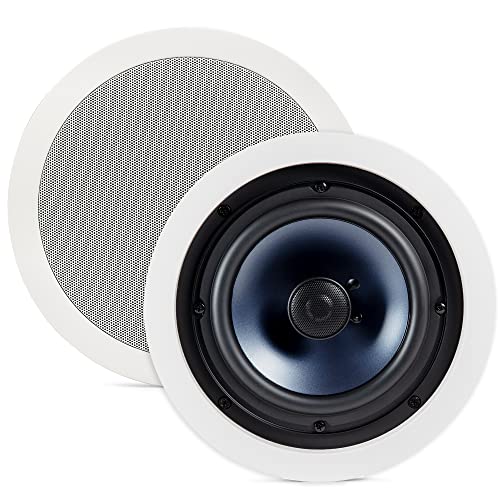
While the Polk RC80i speakers are not back boxes themselves, they are engineered with a rubber moisture seal and timbre-matched drivers that perform well with or without an external enclosure. Their design suits damp locations such as bathrooms and covered porches, where enclosure choices must account for moisture and air sealing.
Pairing these speakers with a dedicated back box or sealed enclosure reduces sound leakage and optimizes low-frequency performance in open attic installations. The aimable tweeter also helps precisely direct sound when placement options are limited.
Pyle PDIC81RDBK 8 Inch Flush In-Wall/In-Ceiling Speakers (Pack Of 4)

This Pyle pack of four flush-mount speakers provides flexibility for multi-zone installations. With polymer dome tweeters and high-temperature voice coils, they are designed for custom installs and integration into existing ceilings.
These flush speakers benefit from pairing with back boxes when improved bass, reduced sound transmission between rooms, or compliance with fire/air codes is needed. Evaluate ceiling cavity depth and the potential need for in-line back boxes, especially in commercial or multi-family settings.
Buying Guide: Choosing The Right Ceiling Speaker Back Box
When selecting a speaker back box or deciding if integrated/enclosed speakers suffice, consider the following factors:
- Speaker Compatibility: Check speaker manufacturer recommendations for enclosure volume and shape. Some drivers need a sealed or vented box of a specific cubic inch volume for intended frequency response.
- Ceiling Depth And Clearance: Measure from the finished ceiling to the top of the joist or roof deck. Low clearance may necessitate shallow-mount speakers with integrated enclosures or slim back boxes.
- Acoustic Goals: For stronger bass and less sound bleed, use sealed or vented enclosures. Integrated enclosed speakers (like the Pyle PDIW87) can help if retrofitting without building separate boxes.
- Moisture And Location: Bathrooms, kitchens, and covered outdoor areas benefit from moisture-resistant speakers and sealed enclosures to prevent deterioration and maintain sound quality.
- Fire And Building Codes: In multi-family or commercial installations, fire-rated or code-compliant enclosures and fire stops may be required. Verify local code before cutting or installing boxes.
- Installation Type: New construction allows using full back boxes and bracing between joists. Retrofit installations might rely on in-ceiling speakers with protective back covers or shallow enclosures that fit above drywall.
- Air Sealing And Insulation: Back boxes can prevent HVAC air leaks, improve energy efficiency, and reduce sound transfer. Consider sealed enclosures or gaskets for improved results.
- Mounting And Service Access: Choose enclosures that allow access to wiring and the speaker for future maintenance. Some boxes include removable panels or front-access features.
- Materials And Durability: Enclosures made of MDF, ABS, or galvanized steel vary in acoustic properties and longevity. Use materials suitable for your environment (e.g., ABS or treated materials for humid spaces).
- Cost Vs. Performance: Integrated enclosed speakers reduce the need for separate back boxes but may limit upgrade paths. Dedicated enclosures typically offer better control over acoustics at the expense of additional installation effort.
Comparison Perspectives
- Integrated Enclosed Speakers (e.g., Pyle PDIW87): Good for retrofit installs where no separate box is feasible; provides moderate acoustic improvement without extra enclosure work.
- Speakers With Protective Back Covers (e.g., Monoprice): Offer component protection and modest acoustic benefits; useful in drop ceilings or where debris is a risk.
- Dedicated Recessed Enclosures (e.g., Bogen BG-RE84): Best for targeted acoustic control, more consistent bass, and compliance with separation/fire requirements in new construction.
- Moisture-Resistant Speakers (e.g., Polk RC80i): Prioritize environmental resistance; pair with sealed boxes in damp locations for long-term reliability.