
Best Violin Center Chin Rest Options for Comfortable Play
When selecting a center-mount chin rest for a violin, the top priority is comfort, fit, and material safety. This guide highlights five well-regarded options, each suited to different players—from students to professionals seeking hypoallergenic or premium woods. The choices emphasize center-mount designs that sit over the tailpiece for stable positioning and ergonomic support. Use the quick comparison table below to identify which chin rest best matches your instrument, playing style, and comfort goals.
| Product | Brand | Best For |
|---|---|---|
| Wittner WIT-253111 | Wittner | Players seeking modern materials and German craftsmanship |
| Conrad Götz ZK-300E | GÖTZ | Those wanting a deep ebony finish and natural cork padding |
| Ohrenform 3/4–4/4 | Musaica Imports | Violinists preferring traditional ebony with hand-finished quality |
| Wittner Composite 4/4 | Wittner | Allergy-conscious players who want a hypoallergenic option |
| Guarneri Style Chin Rest | Generic | Players desiring rosewood with a classic look |
Wittner WIT-253111 Violin Chin Rest

This center-mount chin rest is made of space-age composite material with a light alloy tailpiece construction, featuring a Wittner nylon tail gut. It is manufactured in Germany, signaling precise engineering and consistent fit. Best for players who want a modern, low-profile option with reliable stability over the tailpiece.
Who it’s for: intermediate to advanced players seeking dependable center-mount design and durable materials. Why chosen: German manufacturing and the lightweight composite reduce weight while maintaining form. Caution: material-based aesthetics may differ in color tone from traditional wood chin rests.
Conrad Götz ZK-300E New Flesch Chinrest
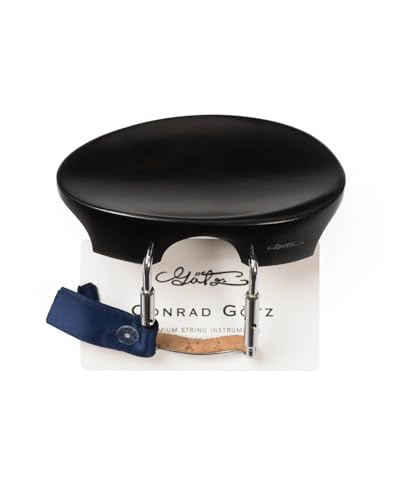
The ZK-300E features a deep black ebony finish with a New Flesch chinrest design. It emphasizes certified wood origin and fresh, hand-cut Portuguese cork padding for a secure, comfortable seal against the violin’s edge. Best for players who value traditional aesthetics and natural materials.
Who it’s for: players seeking a premium ebony look with careful cork padding. Why chosen: authentic wood origin and careful handcrafting provide a classic feel. Caution: ebony finishes can require more careful maintenance to preserve gloss over time.
Ohrenform 3/4-4/4 Ebony Chinrest

Ohrenform style chinrest crafted from the finest quality ebony with a standard bracket, finished by hand for meticulous care. This option blends traditional look with a comfortable, ergonomic shape for full-size or 3/4 violins. Best for players who prefer a classic ebony appearance and hand-finished precision.
Who it’s for: players who value hand-finished quality and a traditional design. Why chosen: the Ohrenform shape often aligns well with individuals seeking a familiar contour. Caution: color and grain may vary between batches due to natural wood variation.
Wittner Composite 4/4 Center Mount Chinrest

This Wittner center-mount chinrest is designed for 4/4 violins with hypoallergenic construction. The package dimensions and weight are suitable for stable mounting without adding excessive bulk to the instrument. Best for players with sensitivities who still want a secure center-mount setup.
Who it’s for: players needing a non-allergenic option. Why chosen: explicit emphasis on hypoallergenic materials. Caution: some performers may notice a different tactile feel compared to metal-backed or darker wood chinrests.
Guarneri Style Chin Rest with Chrome Brackets

Professional-class chin rest in rosewood with chrome brackets, designed for a center-mount arrangement on 4/4 violins. The Guarneri-inspired profile aims to provide ergonomic support and a refined playing posture. Best for players who want a premium look and the classic Guarneri silhouette.
Who it’s for: players seeking an elegant, durable option with a polished rosewood finish. Why chosen: combination of durable rosewood and chrome brackets offers a sophisticated aesthetic. Caution: wood color and grain can vary, and maintenance is required to preserve gloss.
Buying Guide: Key Purchase Considerations
- Mount type and stability: Center-mount rests sit over the tailpiece to ease shifting leverage and balance. Consider tailpiece design compatibility with your violin model.
- Material and finish: Wood rests (ebony, rosewood) offer classic aesthetics; composites can reduce weight and require less maintenance. Hypoallergenic options are important for players with sensitivities.
- Fit and size: 4/4 full-size violins are common, but 3/4 or smaller violins require a matching chin rest size to avoid discomfort.
- Ergonomics: Look for a chin rest shape that aligns with your jawline and ear position. Guarneri and Ohrenform styles emphasize different ergonomic contours.
- Maintenance: Dark woods may require polish or conditioning; ebony tends to show scratches, while composite rests resist moisture but may feel different to touch.
- Aesthetic alignment: Choose a finish that complements your instrument’s wood tone and tailpiece for a cohesive look.
- Practical test notes: If possible, try to assess if the chin rest minimizes neck strain during longer practice sessions.
- Durability vs. cost: Premium woods and hand-finished options typically cost more but may offer longer-term stability and feel.
FAQ
- Q: What is a center-mount chin rest ideal for? A: It centers over the tailpiece for balanced leverage, often preferred by players who want a steady, even playing posture.
- Q: Are hypoallergenic chin rests worth it? A: For players with sensitivities, hypoallergenic options reduce irritation and enhance comfort during long sessions.
- Q: Does wood type affect sound? A: Chin rests primarily affect comfort and fit; most players report minimal impact on instrument tone.
- Q: How do I choose between ebony and rosewood? A: Ebony offers a traditional look with dense texture; rosewood provides a warmer aesthetic but may feature more grain variation.
- Q: Can I mix brands across different violins? A: Yes, chin rests can be swapped between instruments, but ensure proper fit and mounting compatibility.
- Q: Is a heavier chin rest better for stability? A: Stability depends more on overall mounting and neck support; weight distribution matters more for personal comfort.