Best Center Speaker for Music: Clear Dialogues and Rich Soundstage for Your Home Theater
Choosing a center channel that excels with music plus dialogue is essential for a balanced home theater. The right center speaker can deliver crisp vocals, accurate midrange, and a convincing soundstage without overpowering your room. Below is a curated list of five center-channel speakers that perform well with music while supporting immersive multi-channel setups. Read on to compare design, driver layout, and performance features to find the best match for your system.
| Product | Key Strength | Best For |
|---|---|---|
| Klipsch R-52C | Detailed highs with tractrix horn | Vocal clarity in compact spaces |
| Polk Monitor XT35 | Hi-res capable, four woofers, slim profile | Midrange punch with modern aesthetics |
| Polk Monitor XT30 | Compact, dual woofers, solid dialogue | Smaller rooms, immersive dialogue |
| Polk TL1 Center | Time Lens tech for imaging | Accurate soundstage in flat-panel setups |
| Micca MB42X-C | Balanced woofer, smooth treble | Value-oriented performance |
Klipsch R-52C Powerful Detailed Center Channel Home Speaker
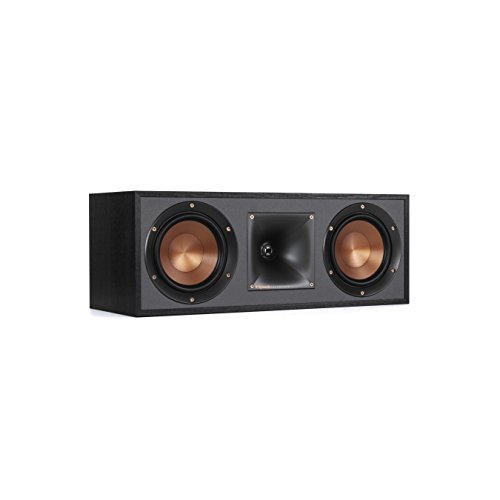
The Klipsch R-52C centers on clarity with dual 5.25″ spun-copper IMG woofers and a 1″ aluminum LTS tweeter mated to a 90×90 square tractrix horn. It covers a wide frequency range from 89 Hz to 21 kHz, with a ±3 dB tolerance for consistent performance. The horn-loaded tweeter helps deliver precise dialogue and musical detail, making it a strong option for music-centered listening rooms that double as home theater.
Polk Monitor XT35 Slim Center Channel Speaker

The XT35 combines a slim profile with a 4″ midrange path and four 3″ woofer drivers for an open midrange and impactful bass. It supports high-resolution audio inputs and is Dolby Atmos and DTS:X capable for immersive movies, while its premium build and modern design help it blend into most decors. This model prioritizes clear dialogues and dynamic music playback in both compact and larger rooms.
Polk Monitor XT30 Compact Center Channel Speaker
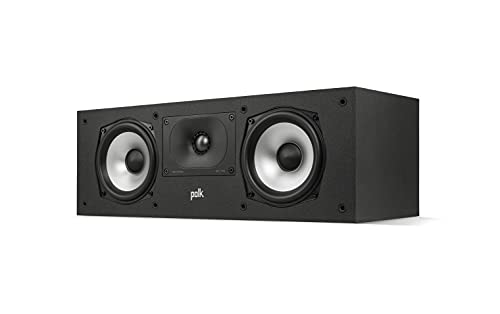
The XT30 emphasizes compact design without sacrificing soundstage. It uses a 1″ tweeter and two 5.25″ woofers to deliver focused dialogues and a smooth midrange. Built to be timbre-matched with Polk’s Monitor XT series, it maintains consistency across speakers for Dolby Atmos and DTS:X setups in smaller rooms where space matters.
Polk Audio TL1 Center Channel Speaker
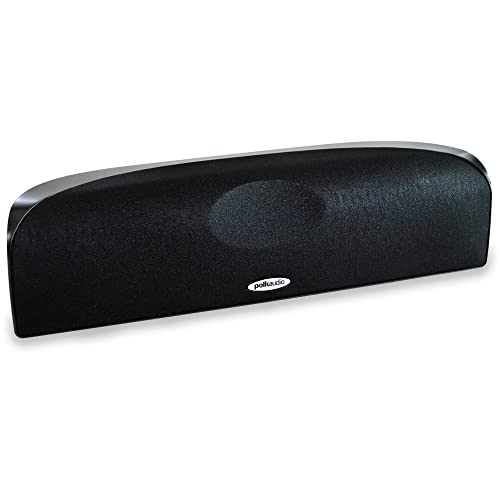
The TL1 uses Time Lens technology to align drivers for better imaging. With a compact bookshelf-style enclosure and a 1″ silk dome tweeter plus dual 2.5″ mids/woofers, it offers a curved cabinet and a high-gloss finish that blends with contemporary flat-panel TVs. It’s designed to deliver clear voice reproduction and a natural sound for TV dialogue and music tracks alike.
Polk Audio T30 Center Channel Speaker
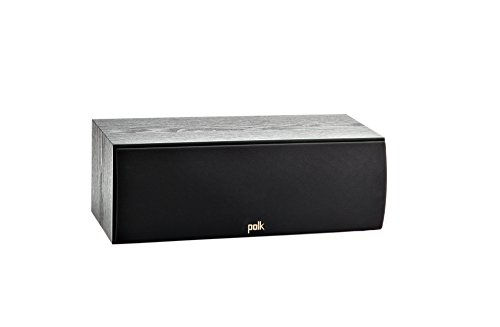
The T30 features dual 5.25″ woofers and a 1″ silk-dome tweeter to deliver crisp dialogue and a balanced midrange with deep bass. It’s designed for first-time home theater setups or straightforward upgrades, and it is timbre matched to Polk’s T-Series to maintain consistent tonal characteristics across your speaker array.
Saiyin Slim Center Channel Speaker

The Saiyin center emphasizes vocal clarity with a horn tweeter for crisp highs and a low-frequency response suited for cinema audio. It offers flexible mounting options—wall-mount or tabletop—making it adaptable for a variety of room layouts. The compact, single-speaker design can be a practical option for users prioritizing space efficiency while still delivering solid center-channel performance.
Micca MB42X-C Advanced Center Channel Speaker
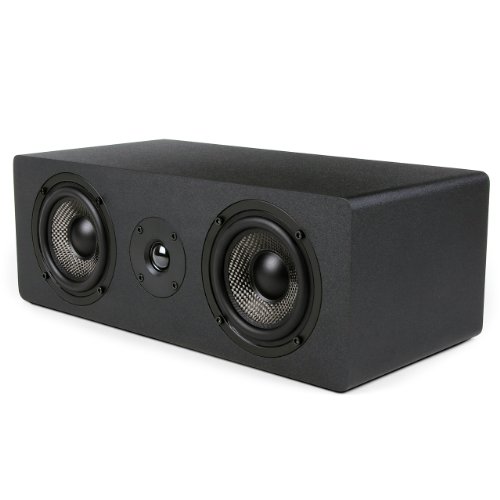
The Micca MB42X-C offers a balanced woven carbon fiber woofer and a high-performance silk-dome tweeter in a ported enclosure. This design emphasizes accurate imaging and extended bass response with low distortion, making it a strong choice for listeners who want cohesive sound across music and film with a manageable budget.
Buying Guide: Key Purchase Considerations For Center Speakers
- Room size and seating: Larger rooms benefit from more drivers and higher sensitivity, while compact rooms pair well with slim or bookshelf-style centers.
- Voice clarity vs. music performance: Some centers emphasize vocal intelligibility (great for dialogue), while others balance music detail with dialogue. Consider your primary use case and whether you want a single model to cover both duties.
- Driver configuration: Multiple woofers and a dedicated tweeter can improve midrange and imaging. Horn-loaded tweeters typically provide crisp highs and better directivity for dialogue.
- Frequency response: Look for centers that extend into the lower midrange (50–100 Hz) for fuller sound, while ensuring the highs remain clean and detailed.
- Compatibility: Ensure the center’s impedance and power handling match your receiver and amplification, especially if you plan to integrate Dolby Atmos or DTS:X systems.
- Placement flexibility: Wall-mountable designs and slim cabinets help with layout constraints. Consider whether you’ll place the center above or below the TV, or on a shelf.
- Aesthetics and finish: Matching the room’s decor improves integration with existing speakers and furniture.
- Budget versus value: Center-channel performance varies with driver count and construction quality. Balance anticipated listening needs with long-term durability.
- Future expansion: If you plan to upgrade other speakers later, select a center that remains timbre-matched with potential additions to avoid sound imbalances.
In evaluating these options, consider both the vocal clarity you need for movies and the musical detail you want for stereo and multi-channel music playback. Systems with multiple woofers and a refined high-frequency driver typically deliver the most versatile performance, especially in rooms where seating positions vary. For smaller spaces, compact centers like the XT30 or TL1 can provide excellent dialogue with minimal footprint, while larger rooms may benefit from the extended bass and wider dispersion offered by multi-woofer designs like the XT35 and Klipsch R-52C.