
Looking For a center speaker that improves vocals and music in a home audio or home theater setup? Below are focused reviews of reliable center-channel speakers suited for music-forward listening, plus a quick comparison table to help you scan options.
| Product | Brand | Key Feature |
|---|---|---|
| Klipsch R-52C | Klipsch | Spun-copper IMG woofers, Tractrix horn tweeter |
| Polk Monitor XT35 | Polk Audio | Low-profile, 1″ tweeter + four 3″ woofers, Hi-Res |
| Polk Audio TL1 | Polk Audio | Time Lens alignment, curved enclosure |
| Yamaha NS-C210 | Yamaha | 2-way bass-reflex, light aluminum cones |
| Micca MB42-C | Micca | Carbon-fiber woofer, silk dome tweeter |
Klipsch R-52C Powerful Detailed Center Channel Home Speaker – Black
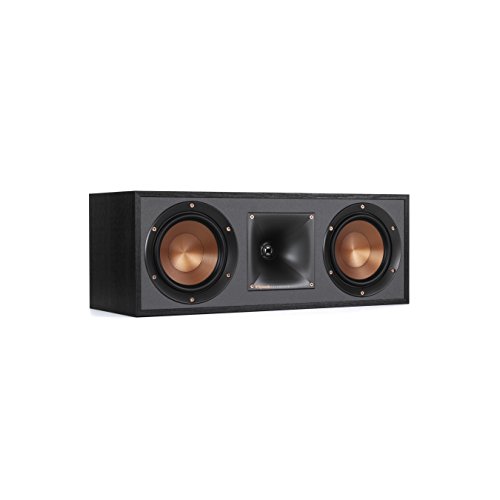
The Klipsch R-52C Features Dual 5.25″ Spun-Copper IMG Woofers And A 1″ Aluminum LTS Tweeter Mated To A 90×90 Square Tractrix Horn. Frequency Response Is Listed At 89Hz – 21kHz +/- 3dB. These design elements Aim To Deliver Pronounced Midrange Presence And Controlled Highs, Helpful For Clear Vocals And Articulation In Music Playback.
Use Cases: Centered Dialogue And Vocals In Two-Channel Or Multichannel Setups; Works With Receivers That Provide Dedicated Center Outputs. The Tractrix Horn Can Improve Dispersion Toward The Listening Area, Supporting Vocal Intonation And Detail.
Polk Monitor XT35 Slim Center Channel Speaker – Midnight Black

The Polk Monitor XT35 Is A Low-Profile Center Designed So It Won’t Block TVs While Offering 1″ Tweeter And Four 3″ Dynamically Balanced Woofers. Marketed For Hi-Res Sound And Compatibility With Dolby Atmos/DTS:X Sources, It Delivers An Open Midrange And Focused Dialogue.
Use Cases: Media Rooms Where TV Placement Matters; Music-Focused Listeners Who Need A Slim Speaker That Provides Clear Midrange Detail. The Four Small Woofers Help With Mid-Bass Support Without A Deep Cabinet Footprint.
Polk Audio TL1 Speaker Center Channel (Each, Black)
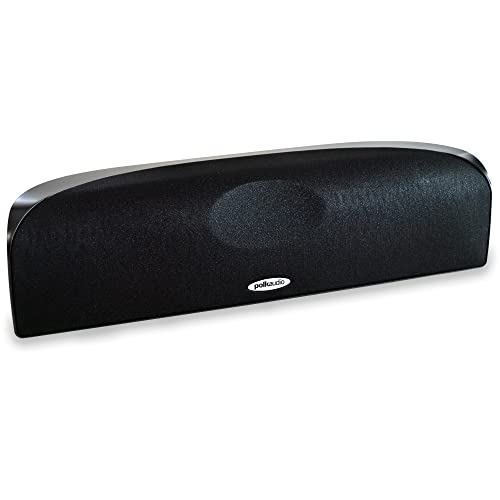
The Polk TL1 Uses Time Lens Technology To Align Drivers For Better Soundstaging And Imaging. It Pairs A 1/2″ Silk Dome Tweeter With Dual 2.5″ Dynamic Balance Mids/Woofers In A Curved, Gloss-Finish Enclosure.
Use Cases: Listeners Prioritizing Imaging And Cohesive Vocal Placement Across The Soundstage. The Time Lens Approach Helps Timing Accuracy Between Drivers, Which Can Improve Musical Pacing And Vocal Clarity In Complex Mixes.
Yamaha Audio NS-C210BL Center Channel Speaker – Each (Black)

The Yamaha NS-C210 Is A 2-Way Bass-Reflex Center Speaker With Light Aluminum Woofer Cones For Fast Response, Designed To Reproduce HD Sources. Yamaha Includes A Speaker Cable And Warranty, Emphasizing Reliability And Integration With Yamaha Systems.
Use Cases: Systems Where Fast Transient Response And Accurate Tonality Are Valued; Works Well In Both Stereo-Heavy Music Setups And Home Theater Systems That Need Natural Vocal Representation.
Micca MB42-C Center Channel Speaker For Home Theater, Passive, 2-Way

The Micca MB42-C Features A Balanced Woven Carbon Fiber Woofer And A High-Performance Silk Dome Tweeter, With A Ported Enclosure To Extend Bass. The Design Seeks To Provide Accurate Imaging And Smooth Treble For Clear Dialogue And Music Reproduction.
Use Cases: Budget-Conscious Builds That Still Require Quality Midrange And Accurate Imaging; Suitable For Small To Medium Rooms Where A Neutral, Detailed Center Channel Improves Overall Musical Coherence.
Buying Guide: How To Choose A Center Speaker For Music
Choosing the right center speaker for music requires balancing tonal accuracy, dispersion, and physical fit with your room and equipment. Below are practical considerations to compare models.
1. Driver Configuration And Materials
Look For Midrange And Tweeter Materials That Emphasize Clarity: silk/soft-dome tweeters and rigid woofer cones (aluminum, IMG, carbon fiber) often yield different tonal characters. Rigid cones can improve transient response; soft domes tend to smooth highs.
2. Frequency Response And Bandwidth
Wider, flatter response helps reproduce music as intended. A center that extends lower (with proper crossover to subwoofers) will render full-bodied vocals and low-frequency content.
3. Dispersion And Imaging
Speaker design (horn-loaded tweeters, time-alignment tech, or driver array) affects how vocals are positioned in the soundstage. Time alignment and controlled dispersion help maintain natural vocal placement across seating areas.
4. Size, Placement, And TV Compatibility
Low-profile centers are best for sitting under TVs; larger cabinets generally support deeper bass and higher output. Ensure the speaker won’t obstruct screen sightlines and that mounting options match your setup.
5. Matching To Main Speakers And Timbre
For coherent musical timbre, choose a center that timbre-matches your front left/right speakers or at least complements their tonal character. Brand-series matching reduces discrepancies in voice and instrument color.
6. Room Size And Power Handling
Consider Room Volume: Small rooms need less output and can benefit from speakers with accurate midrange; large rooms may require larger center speakers or additional subwoofer support. Match speaker sensitivity and power handling to your amplifier/receiver.
7. Connectivity And Compatibility
Most center channels are passive and need speaker wire to a receiver. Ensure your receiver has a dedicated center channel output and that the speaker’s impedance and sensitivity suit your amplifier.
8. Tonal Preference And Music Genres
Different genres emphasize different ranges: vocals and acoustic music prioritize midrange resolution; electronic and orchestral music may need deeper bass extension. Choose a center with strengths aligned to your primary listening content.
9. Budget Versus Performance
Identify which features matter most—imaging, low-frequency response, or slim form factor—and allocate budget accordingly. Entry-level centers can still offer strong vocal clarity when paired with a supportive system.
10. Additional System Considerations
Use A Subwoofer To Offload Deep Bass If The Center Lacks Low Extension. Consider Room Acoustics—treatment and speaker placement significantly influence perceived clarity and imaging.