
Best Class a Amplifier Kit for DIY Audio Enthusiasts
Finding the right Class A amplifier kit depends on your goals: power needs, build complexity, and whether you’re assembling a single-channel or stereo setup. This guide highlights five practical options from reputable brands, explaining who each product is best for and why it stands out. Whether you’re building a vintage-inspired tube-style preamp, a high-power DIY amp, or a compact multichannel board, these kits cover a range of budgets and skill levels. Use the quick comparison table to spot the best fit, then dive into detailed sections for each product.
| Product | Best For | Key Strength |
|---|---|---|
| 2Pcs 1969 Class A Power Amplifier Board | Budget-friendly dual-output setup | Simple, compact Class A design with 2N3055 |
| Dasiter OCL Amplifier Board Kit | High-power stereo builds | Two channels, up to 100W per channel |
| LJM – MX50 SE Audio amp Kit | Moderate power DIY projects | Flexible voltage range for various layouts |
| Jolooyo PASS A3 Single-ended Kit | Single-ended Class A lovers | Classic SE Class A with 30W+30W output |
| Acxico 1969 Class A Amplifier Board | Compact, single-channel builds | Double-sided PCB with robust components |
2Pcs 1969 Class A Power Amplifier Board

This dual-channel Class A board uses 2N3055 transistors and operates from DC 12V–35V, with an output of about 10–15W. It suits compact stereo projects or hobbyist builds where space is a constraint. Best for newcomers who want a straightforward, tube-like aesthetic without high voltage concerns. A potential limitation is the relatively modest power output, which may not satisfy high-volume listening rooms or demanding speaker loads.
Dasiter OCL Amplifier Board Kit
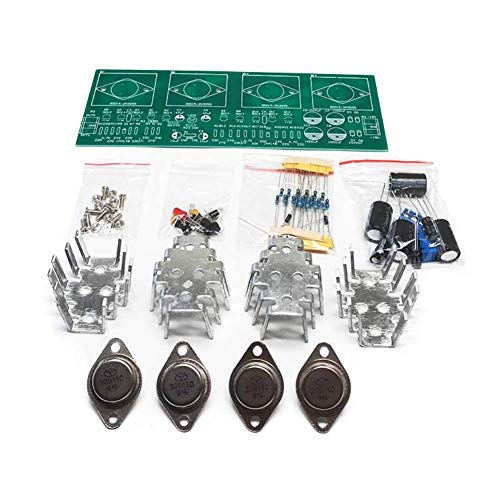
Dasiter’s OCL kit is a high-power, dual-channel design that reaches up to 100W per channel. The board uses a glass fiber substrate and fully separated components, with four high-power triodes to drive stereo outputs. This option is best for experienced DIYers building a home audio system or active speakers needing substantial wattage. A caveat is the more complex assembly and higher voltage considerations than entry-level boards.
LJM – MX50 SE Audio amp Kit

MX50 SE offers a versatile dual-channel kit with power ranges from 15W to 100W per channel, compatible with DC ±15V to ±45V and AC input. This flexibility makes it a good choice for hobbyists who want a robust, scalable stereo amplifier that can power bookshelf speakers and small to mid-size setups. The main consideration is ensuring your power supply and passive components align with the chosen operating point to avoid distortion.
Jolooyo PASS A3 Single-ended Class A Kit
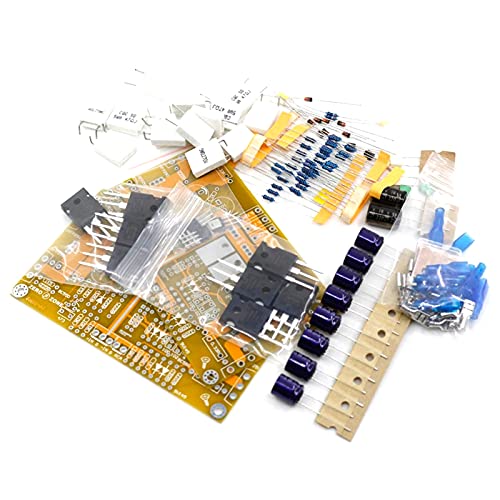
The PASS A3 is a single-ended Class A design delivering 30W+30W, ideal for classic, warm audio with reduced complexity. It’s well-suited for purists seeking a traditional SE Class A footprint in a compact format. Limitations include lower overall efficiency and heat management requirements typical of single-ended tubes or transistor implementations at this output level.
PCB Board DIY Kit Vacuum Electron Tube Amplifier

This kit brings a vacuum tube-based approach to a modern DIY audience, focusing on a tube preamp stage and power amplification with elegant DC filament drive. It’s best for builders pursuing a vintage or high-fidelity layered sound profile and who can manage the classic tube biasing and supply requirements. A potential caution is the need for careful heat management and tube handling.
Acxico 1969 Class A Amplifier Board
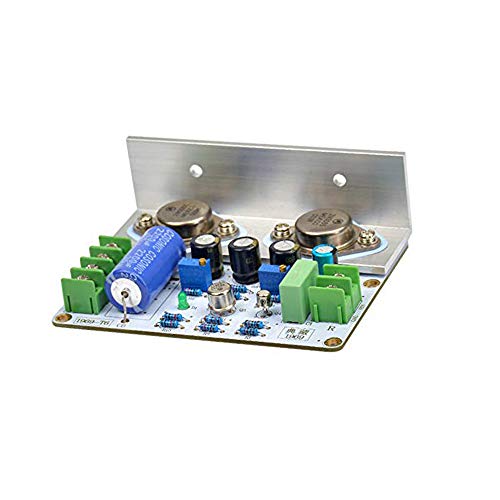
Acxico’s single-channel 1969 Class A board uses a double-sided copper PCB and hermetically sealed transistors for durability in the power stage. It’s a good pick for compact builds where a solid, stable Class A output is desired. A noted limitation is that the kit focuses on a single channel, which may require a separate path for stereo applications.
Buying Guide
What power and speaker load should I consider?
Match amplifier power to your speaker’s sensitivity and impedance. Higher efficiency speakers (92 dB and above) require less power for the same listening level, while lower-impedance speakers demand more amp headroom. Consider whether you want headroom for peaks or a clean, linear response at typical listening levels.
Single-ended vs. push-pull Class A
Single-ended Class A offers a simple design and a vintage tonal character but can be less efficient and generate more heat at higher outputs. Push-pull or dual-channel boards deliver more power with better efficiency, suitable for larger rooms or louder music styles, but may introduce more complexity in setup.
Voltage and power supply considerations
Check recommended DC or AC input ranges and ensure your power supply can safely deliver the required current. Some kits specify ± voltage rails, while others use fixed DC inputs. Proper filtering and regulation reduce hum and noise in audio signals.
Build complexity and enclosure space
Entry-level kits are compact and straightforward, ideal for beginners. Higher-power kits often require better heat sinking and larger enclosures. Plan cable routing, ventilation, and shielding to minimize interference and ensure safe operation.
Component quality and future upgrades
Look for kits with robust components, such as high-quality capacitors and sturdy transistors. Consider whether the board supports upgrades, such as adding a preamp stage, tone controls, or enhanced filtering to tailor the sound.
Safety considerations
Class A builds involve elevated voltages and, in some cases, vacuum tubes. Follow all safety guidelines, mount power supplies securely, and use proper insulation and fuse protection to mitigate shock and fire risks.
FAQ
- What is Class A amplification best for?
Class A typically offers a warm, linear sound with low distortion, favored by purists for certain listening experiences, though it may run hotter and less efficiently than other classes.
- Do I need a special power supply for these kits?
Yes. Most kits specify DC or AC requirements. Use a supply that meets or exceeds the stated voltage and current needs and includes adequate filtering.
- Is a dual-channel kit necessary for stereo listening?
For stereo, a dual-channel kit is usually preferable as it provides matched amplification for both channels, ensuring balanced sound.
- Can I mix tube and solid-state designs?
Some kits enable hybrid builds, but confirm compatibility with your chosen preamp, transformer, and load to avoid mismatches.
- What enclosure size should I expect?
Enclosures vary by kit; high-power boards often need more space for heat sinking and airflow. Check dimensions and plan layout accordingly.
- Are these kits suitable for beginners?
Entry-level boards can be approachable, but some options require soldering, careful wiring, and voltage handling. Start with a simpler kit if you’re new to electronics.