
Best Classic Guitar for Beginners: Top Picks for New Players
Yes, a good beginner classical guitar sets the foundation for comfortable playing and steady progress. This guide highlights five top options ideal for aspiring players, from entry-level kits to instructional books that accompany practice. Best for learners starting on nylon strings, budget-conscious buyers, and those seeking complete starter kits with accessories.
Buyer considerations at a glance:
- Best for immediate playability: nylon-string models with comfortable necks.
- Better for complete starter kits: included tuners, cases, and accessories.
- Choose this if you want a trusted brand with proven playability (Yamaha, Vangoa).
- Avoid this if you need premium tonewoods or advanced features in a first guitar.
Summary table of selected products:
| Product | Brand | Key Benefit | Best For |
|---|---|---|---|
| Winzz Classical Guitar 4/4 | WINZZ | Elegant spruce top, complete beginner set | Beginner players seeking full accessories |
| Yamaha C40II Classical Guitar | Yamaha | Famous quality and playability | Traditional, reliable starter guitar |
| VEVOR Classical Guitar 38 Inch | VEVOR | Quality materials, accurate tuning kit | Kids and teens starting out |
| Vangoa Classical Guitar 39 Inch | Vangoa | Full starter kit with accessories | All-in-one beginner setup |
| Classical Guitar Method Book 1 | Hal Leonard | Structured learning with online audio | Supplemental learning resource |
Winzz Classical Guitar 4/4 for Beginners

The WINZZ 39-inch classical guitar uses a spruce top with basswood back and sides. This color-fast finish and blue-toned texture reflect a vintage, stylish look. Best for beginners who want an attractive instrument that is easy to play and comfortable to practice daily. The 39-inch size is standard for adults and most primaries. This kit includes seven practical accessories: footstool, wall mount, capo, electronic tuner, bag, polishing cloth, and wrench. Caution: some users may want upgraded tuners for advanced tuning stability after initial practice.
Yamaha C40II Classical Guitar

This full-size Yamaha C40II features a spruce top with meranti back and sides and a rosewood fingerboard and bridge. Yamaha is renowned for consistent playability and tonal balance, making this a solid starter for students seeking a dependable, traditional classical guitar. Best for players who prefer a ready-to-play instrument with a classic feel. Limitation: some players may outgrow the instrument as technique advances, prompting a later upgrade.
VEVOR Classical Guitar, 38 Inch Kit
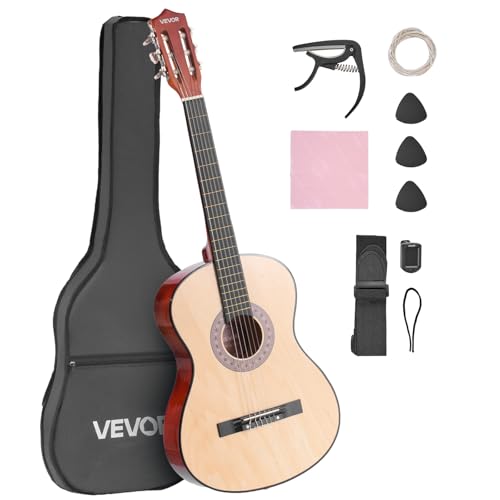
VEVOR’s 38-inch nylon-string kit uses premium basswood for resonance and stability. It includes a tuner, gig bag, strap, extra strings, capos, and more in a retro wooden finish. Best for beginners who want a finger-friendly playing experience and easy tuning. The included tuner supports accurate pitch for early practice. Caution: neck profile and nut width may feel unfamiliar to players with smaller hands.
Vangoa Classical Guitar 39 Inch Bundle

The Vangoa 39″ classical guitar bundle offers a complete starter kit, including a gig bag and footstool, with a nylon-string build for comfortable practice. Best for beginners seeking an all-in-one setup and a broad dynamic range suitable for various styles. The kit’s wood selection and finish aim to deliver a clear, bright sound. Caution: budget kits may require occasional setup tweaks for optimal intonation with heavier playing sessions.
Classical Guitar Method Book 1 (Hal Leonard)
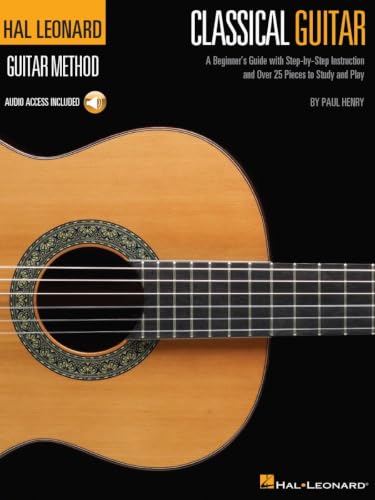
This beginner book pairs with online audio to guide new players through fingerstyle techniques, sight-reading, and classical repertoire. Best for learners who want a structured, self-study path alongside a physical instrument. Limitation: does not replace hands-on instruction or a dedicated teacher for advanced technique.
Buying Guide
What to consider when selecting a beginner classical guitar:
- String type and feel: Nylon strings are gentler on fingertips and typical for classical music, compared to steel strings.
- Size and neck width: Full-size 39″ guitars are common for adults; consider 38″ or smaller for younger players or those with smaller hands.
- Playability: a smooth fretboard, comfortable neck, and proper action help reduce fatigue during early sessions.
- Sound and sustain: wood choice (spruce top, basswood back/sides) influences tone; expect clear trebles and balanced mids with nylon strings.
- Included accessories: kits with tuners, gig bags, footstools, and capos offer better value for beginners.
- Future growth: assess whether the instrument will still feel comfortable as technique improves or if an upgrade is likely soon.
Practical considerations by scenario
- Best all-around starter: choose a complete kit with nylon strings and essential accessories (e.g., VEVOR 38 Inch or Vangoa 39 Inch bundles).
- Best for brand reliability: Yamaha C40II offers known consistency and resale value.
- Best for learning resources: Hal Leonard method book complements any instrument for structured practice.
- Best value for style-conscious buyers: Winzz blends attractive appearance with beginner-friendly features.
FAQ
- Q: Should beginners start on nylon or steel strings? A: Nylon strings are typically easier on fingertips and standard for classical guitars; steel strings suit acoustic guitars.
- Q: Do I need a full starter kit? A: A kit with tuner, gig bag, and footstool helps immediate practice and reduces extra purchases.
- Q: Is a larger guitar harder to learn on? A: For some players, a full-size 39″ guitar is comfortable; smaller sizes can ease learning for kids or those with short arms.
- Q: Should I buy a used guitar for beginners? A: Consider mint condition used guitars with recent setup; avoid instruments with warped necks or high action.
- Q: How long before progress is noticeable? A: Regular practice 15–30 minutes several days a week typically yields gradual improvement within weeks.
- Q: Is a teaching book necessary? A: It helps structure practice and expose you to repertoire, especially when paired with a playable instrument.