
Best Concert Ukulele Low G Strings for Richer Tone and Stable Tuning
Answering the search for the best concert ukulele low G strings, this guide highlights options chosen for tone, tension, stability, and playability. The top picks are suited for performers, students, and casual players who want a brighter sound with dependable tuning. Below, compare five strings sets, each with who it’s best for and why it stands out.
Summary of selected products:
| Product | Brand | Best For | Key Benefit |
|---|---|---|---|
| Aquila Red Series AQ-86 Concert Ukulele Strings – Low G | Aquila | Stage players and studio work | Greater volume and comfortable feel with stable tuning |
| Aquila New Nylgut AQ-8 – Low G | Aquila | Beginners to professionals | Richer, clearer sound with natural feel |
| Aquila Super Nylgut AQ-104 – Low G | Aquila | All-around performance | Smooth surface and long-lasting stability |
| Aquila Lava Concert Ukulele Strings – Low G | Aquila | Players seeking tradition with modern construction | Balanced tone with moisture resistance |
| D’Addario Ukulele Strings Fluorocarbon Tenor EJ99TLG – Low G | D’Addario | Players focusing on precise intonation | Bright, modern tone with tight intonation |
Aquila Red Series AQ-86 Concert Ukulele Strings – Low G
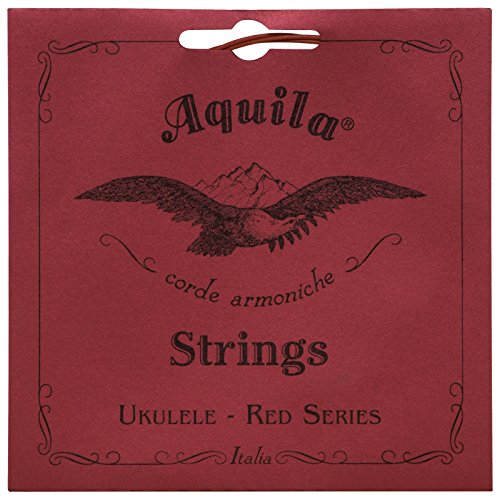
Best for performers who need louder projection and a bright, responsive fretboard. The Red Series uses a proprietary composite material to deliver greater volume and a comfortable playing feel. Its moisture-resistant construction helps maintain tuning stability across climates and practice spaces.
- Best for studio and stage use due to brighter tone and quick response
- Better for players who value a comfortable, yielding feel
- Limitations: May feel slightly stiffer for players with a very light touch
Aquila New Nylgut AQ-8 Concert Ukulele Strings – Low G

Best for players seeking a natural feel with a warm, gut-like tone. Nylgut strings deliver a fuller resonance and smooth playability, with a focus on tuning stability thanks to a moisture-resistant design. Great for classical-inspired playing as well as modern chordwork.
- Ideal for beginners to advanced players wanting authentic tonal character
- Better for those who prioritize a silky feel and warm timbre
- Limitations: May lack the ultra-bright attack some players crave
Aquila Lava Concert Ukulele String Set Low G

Best for players who want a traditional yet modern construction. The Lava set offers a robust, balanced tone with moisture resistance for stable tuning across different environments. Suitable for performances and daily practice alike.
- Choose this if you want reliable tuning stability in varying climates
- Better for players who value a balanced, versatile tone
- Limitations: Availability may vary by region; color and packaging can differ from other Aquila lines
D’Addario Ukulele Strings Fluorocarbon Tenor EJ99TLG Low-G
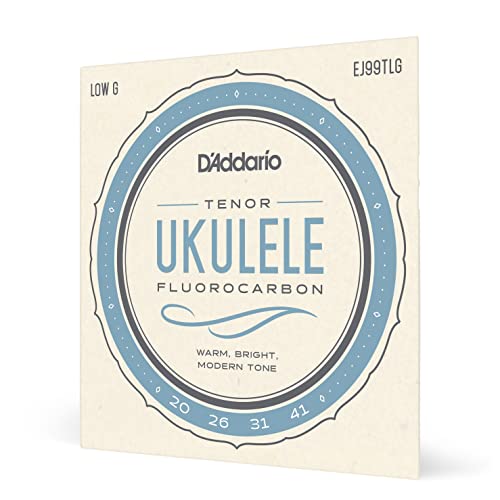
Best for players prioritizing precise intonation and a bright modern tone. Although marketed for tenor, these fluorocarbon strings are widely used on concert-sized ukuleles tuned to Low G, offering clean projection and durable packaging.
- Better for players who need tight intonation and a modern edge
- Choose this if you want a robust, bright voice with dependable stability
- Limitation: Not every concert model will respond identically to tenor-tailored sets
Buying Guide: Key Considerations for Concert Ukulele Low G Strings
What should you consider when choosing low G strings for a concert ukulele? Focus on tension, feel, tone, moisture resistance, and tuning stability. Decide whether brightness or warmth best suits your playing style and venues.
What tuning stability matters most?
Look for strings with moisture-resistant or moisture-insensitive constructions. Those designs help maintain accurate pitch across humidity changes and frequent handling on stage or in rehearsal spaces.
Which tone do you prefer?
Nylgut and fluorocarbon sets typically offer a warmer, more traditional sound, while composite and bright nylon strings emphasize clarity and bite across the fretboard. Consider whether you play folk, pop, jazz, or classical styles.
How important is feel and playability?
Cozy, comfortable strings reduce hand fatigue and enable longer practice sessions. If you perform live, a balance between ease of playing and projection is crucial.
Are instrument compatibility and tension considerations different for concert ukuleles?
Concert ukuleles require strings that fit the neck width and scale length, especially for low G tuning. Some sets marketed for other sizes can work, but the best results come from purpose-made concert strings.
How to choose between synthetic gut, nylon, and fluorocarbon?
Synthetic gut (Nylgut) strings typically provide a warmer tone with smooth playability. Fluorocarbon strings tend to be brighter and more tensionally stable. Nylon sets vary widely in feel and brightness.
What about maintenance and durability?
Consider moisture resistance and core construction. Strings that resist moisture absorbency tend to hold tuning longer and resist dulling in varied climates.
FAQ
- What is low G on a concert ukulele?
Low G means the G string is tuned below the standard G pitch, often loosening or tightening the string tension to provide a fuller, wider range of harmonics.
- Which material sounds brightest for concert ukulele strings?
Fluorocarbon and bright composite strings generally produce the most pronounced upper partials and a crisper attack.
- Are Nylgut strings better for beginners?
Many beginners favor Nylgut for its smoother feel and stable tuning, though preference varies by player.
- Can I mix brands for a concert ukulele?
Mixing strings can alter tension and intonation; it is usually safer to use a matching set designed for low-G concert tuning.
- How often should I change low G strings?
Depends on usage and environment; players with heavy playing schedules may change strings weekly, while casual players may go monthly.