
Best DAC for Bluetooth Headphones for Wireless Hi‑Fi Sound
The top picks here are compact Bluetooth DAC/amps that unlock high‑fidelity sound for wireless listening. This guide helps buyers choose the right unit for travel, work, or desktop use. Best for: light, portable listening on the go; better for multi‑device setups; choose this if you want LDAC or aptX support and low latency. Below are five carefully chosen options with clear strengths and practical tradeoffs.
Product Comparison Snapshot
- FiiO BTR11 Black — LDAC, Bluetooth 5.3, 15‑hour battery, ultra‑light
- FiiO BTR11 White — LDAC, Bluetooth 5.3, 15‑hour battery, ultra‑light
- FiiO BTR13 — LDAC, aptX Adaptive, dual CS43131 DACs, multi‑mode switch
- Qudelix‑5K — Dual ES9219 DACs, LDAC/aptX Adaptive, USB and Bluetooth DAC
- FiiO BTR17 — Bluetooth 5.4, LDAC/aptX Lossless, high power, PEQ
FiiO BTR11 Bluetooth 5.3 Receiver (Black)

The BTR11 delivers LDAC for high‑fidelity wireless sound with Bluetooth 5.3. It runs about 15 hours on a charge and recharges quickly to 90% in roughly one hour. At approximately 12.5g and 5.5 cm, it’s easy to carry with either an included back clip or a lanyard. Best for: listeners who want long battery life in a tiny package and LDAC support for compatible headphones. Limitation: LDAC performance can vary by device and distance from the source; ensure phones or laptops support LDAC for optimal results.
FiiO BTR11 Bluetooth 5.3 Receiver (White)

The White variant shares the same LDAC and 5.3 capabilities as the Black model with identical battery life and portability. Best for: users who want a subtle, light device to pair with a wide range of Bluetooth headphones. Caution: small aesthetic differences should not affect performance; check compatibility with your headphone impedance for best results.
FiiO BTR13 Bluetooth Headphone Amplifier

The BTR13 combines a three‑position PC/BT/PHONE switch with a Cirrus Logic CS43131 DAC per channel and supports LDAC, aptX family, AAC, and SBC. It can achieve up to 96kHz/24‑bit sampling, ensuring Hi‑Fi sound across devices when used over Bluetooth or USB DAC. Best for: multi‑device users who want high‑fidelity DAC performance and flexible device switching. Limitation: more features mean a slightly larger footprint than ultra‑compact dongles.
Qudelix‑5K Bluetooth USB DAC AMP
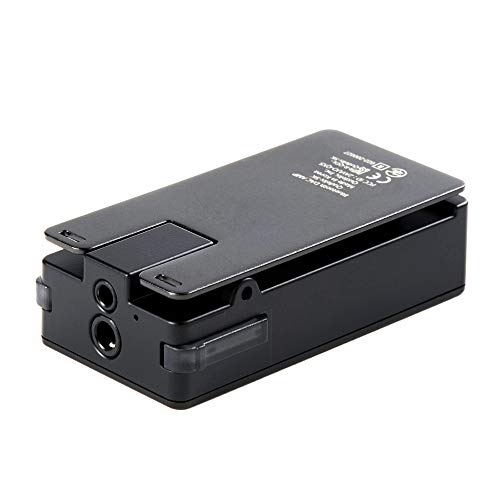
Qudelix‑5K pairs dual ES9219 DACs with LDAC, aptX Adaptive, and AAC, and supports a 96kHz/24bit audio stream via Bluetooth or USB. It includes a built‑in double‑precision equalizer for on‑the‑fly tone shaping. Best for: listeners who want customizable sound shaping and robust Bluetooth/USB DAC performance in one compact unit. Caution: the user interface can require a short learning curve to leverage the EQ effectively.
FiiO BTR13 Black Edition

The BTR13 Black mirrors the BTR13’s capabilities with a similar chipset and DAC architecture, offering LDAC, aptX Adaptive, 96kHz/24bit support, and a dual‑DAC setup for lower crosstalk. Best for: users who want consistent, high‑fidelity performance across Bluetooth and USB decodings in a compact form. Trade‑off: features can lead to a higher price than entry‑level dongles.
FiiO BTR17 Bluetooth 5.4 USB DAC AMP

The BTR17 uses Bluetooth 5.4, LDAC, aptX Lossless, and dual ES9069Q chips with a 10‑band PEQ. It supports high‑quality desktop and mobile modes with a strong 650 mW output and full MQA decoding. Best for: enthusiasts who want the highest power output, advanced PEQ, and robust codec support for demanding headphones. Caution: this model is better suited for non‑portable setups or heavier listening sessions due to its larger feature set and power needs.
Buying Guide: Key Considerations
What should you look for when choosing a Bluetooth DAC/amp for headphones?
- Codec support: LDAC, aptX Adaptive/HD, AAC determine potential lossless quality over Bluetooth. If your headphones support these codecs, match the DAC to maximize fidelity.
- Battery life and charging: longer life is beneficial for travel; consider devices with fast recharge in case you forget to charge.
- Output options: 3.5mm and 4.4mm analog outputs expand compatibility with different headphones. Balanced outputs often yield cleaner, louder sound with high‑impedance cans.
- DAC architecture: multiple DACs per channel (dual CS43131, ES9219, ES9069Q) reduce crosstalk and improve stereo separation. Higher‑end chips typically deliver clearer highs and more precise bass.
- Portability vs feature set: compact dongles emphasize portability; desktop or multi‑mode units emphasize features like PEQ and USB DAC functionality.
- Device compatibility: ensure the unit supports your source devices (iPhone, Android, Windows, macOS) and your headphones’ impedance range.
FAQs
- Do I need a DAC if my phone already decodes audio? A DAC can improve processing power and amplification, reducing noise and distortion for certain headphones, especially high‑impedance models.
- Is LDAC always better than AAC? LDAC can provide higher quality at similar bitrates, but performance depends on both the source and the headphones.
- Can I use these with a computer? Yes, several models support USB DAC mode, enabling desktop‑level audio processing and better dynamic range with compatible headphones.
- Will these limit wireless range? Range depends on your source device and environment; most units maintain a stable connection within typical room distances.
- Are dual DACs beneficial? Dual DACs help reduce crosstalk between channels and improve stereo separation, especially in high‑quality headphone setups.
- What’s the difference between a DAC amp and a plain Bluetooth receiver? A DAC amp adds a built‑in digital‑to‑analog converter and amplifier to improve both conversion accuracy and output power, compared with a basic Bluetooth receiver that may lack high‑quality DACs.