
Best Dance Studio Stereo Equipment for Clear, Loud Sound and Easy Setup
Answering the buyer’s search: a dance studio needs reliable, studio-grade audio gear that is easy to setup, durable, and provides clear sound for instruction, practice, and performances. The top picks below are best for different needs—from podcasting and broadcasting to live dance classes and rehearsal spaces. The featured products cover microphone bundles, professional monitors, isolation gear, and practical accessories ideal for a dance studio environment.
Summary table of chosen products:
- Product: Podcast Equipment Bundle (AM100-V8) — Best for: small studios and streaming dance instructors who need all-in-one audio gear.
- Product: Rane PERFORMER DJ Controller + M-AUDIO Forty Sixty — Best for: professional monitoring and DJ/mix setups in practice rooms.
- Product: Podcast Equipment Bundle by Brvomussy — Best for: budget-friendly, plug-and-play podcast and broadcast setups.
- Product: TONOR Microphone Isolation Shield — Best for: reducing room reflections in dance studios with hard surfaces.
- Product: Hudson Hi-Fi Isolation Pads — Best for: minimizing vibrations under speakers and subwoofers in small studios.
Podcast Equipment Bundle, BM-800 AM100-V8
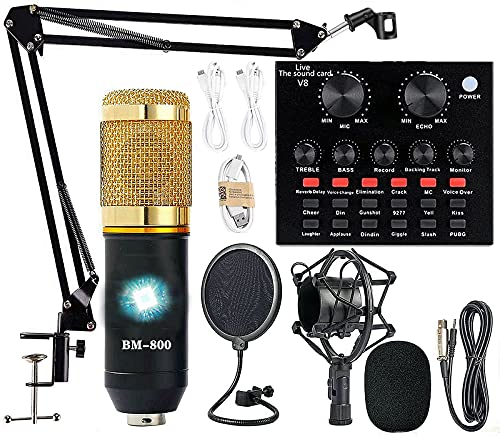
Best for: small dance studios, solo instructors, or content creators who need a complete streaming-ready setup in one package. This bundle includes a BM-800 microphone, adjustable arm, shock mount, pop filter, windscreen, power cable, and a live sound card. The design aims for easy setup and reliable podcast-quality audio in a rehearsal room or small classroom.
Why it’s selected: It provides a consolidated package with essential components, enabling immediate capture of clear vocals or instructor commentary during classes. The 2021 era circuitry aims to deliver detailed, warm voice reproduction suitable for explaining moves or giving feedback on the floor.
Limitations: As a budget-friendly option, high-end studio sensitivity and ultra-low noise specs may not match premium broadcast gear. It’s best for spoken-word or light music tasks rather than large ensemble recordings.
Rane PERFORMER with M-AUDIO Forty Sixty Monitors

Best for: dance studios that require accurate reference monitoring for choreography review, audio cueing, and production work. The package combines a high-capability DJ controller with studio-grade monitors for precise listening, ideal for practicing sound cues and music-driven routines.
Why it’s selected: The Forty Sixty monitors offer uncolored, transparent sound for critical listening. This is important for instructors who need to hear accurate low-, mid-, and high-range details when coaching form and timing in fast-paced dance sections.
Limitations: This setup targets advanced users and performance scenarios; it may be more than what a beginner studio needs if monitoring is the sole requirement. Integration with other classroom gear should be planned.
Brvomussy Podcast Equipment Bundle

Best for: budget-conscious studios that need a ready-to-use podcast and live-streaming setup with multiple mic options and a compact audio interface. It’s suitable for small dance classes that also record instructor commentary or social media clips.
Why it’s selected: The bundle emphasizes plug-and-play simplicity and adds voice-changing and DSP features for dynamic video or live streams. It includes 2 broadcast-grade condenser mics with arms, making it easy to position around a dance floor or studio space.
Limitations: The included FX and voice-altering features may be excessive if pristine linear recording is the primary goal. Some users may outgrow the feature set as needs evolve.
TONOR Microphone Isolation Shield
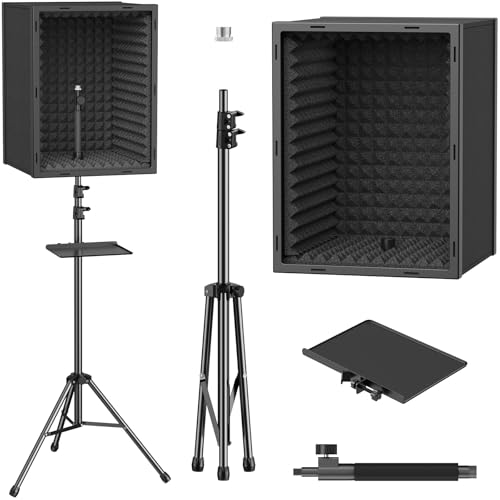
Best for: studios with hard surfaces and acoustics that create reflections during voice instruction or vocal practice. The isolation shield helps create a dry vocal sound by reducing room ambience and echoes.
Why it’s selected: Its box-style construction, high-density foam, and sturdy tripod provide practical room treatment without permanent installation. It’s a favorable option for movable setups or shared spaces where fixed acoustic treatment isn’t feasible.
Limitations: Isolation shields are most effective for close-mic setups. In large rooms or untreated spaces, additional room treatment may still be needed for optimal results.
Hudson Hi-Fi Isolation Pads

Best for: small dance studios aiming to reduce speaker vibrations on hard floors, ensuring cleaner sound and less floor rumble during practice sessions and performances.
Why it’s selected: The 0.75″ platinum silicone pads are designed to dampen vibrations and resonances, improving clarity and reducing unwanted feedback or floor-induced noise. They are especially useful under subwoofers and near wall-mounted speakers in compact spaces.
Limitations: Pads are part of a broader acoustic strategy. For larger rooms or loud performances, additional structural or room treatment may still be needed.
Buying Guide
What kind of buyer are you?
- Instructors needing all-in-one streaming and classroom-ready gear: consider complete bundles that offer mics, stands, interfaces, and simple software compatibility.
- Studios seeking accurate monitoring for choreography and music cueing: prioritize studio monitors and a reliable mixer/interface combo.
- Budget-conscious spaces focused on basic recording and live streaming: select entry-level bundles with upgrade paths.
Key features to compare
- Microphone type and placement: dynamic vs condenser, cardioid patterns, proximity to sources.
- Monitoring accuracy: flat-response monitors vs consumer speakers; room acoustic treatment need.
- Interface and connectivity: USB-C compatibility, multi-input options, smartphone integration for mobile shoots.
- Acoustic treatment: isolation shields, pads, and placement within the room to minimize reflections.
- Mobility and space: compact bundles vs modular gear that can be expanded as the studio grows.
How to set up in a dance studio
- Position monitors at ear height, equidistant from where students stand, to ensure accurate audio cues.
- Use a mic isolation shield or acoustic panels to reduce echo when instructors speak from the floor or a raised platform.
- Invest in vibration-damping pads if you place speakers on hard floors to avoid floor tremor.
- Ensure USB-C and power options match your computer, tablet, or streaming device for smooth operation.
How to choose between bundles and individual gear
- Bundles save time and simplify setup, ideal for smaller studios or classes with frequent media recording.
- Individual gear lets you tailor gear to your room’s specific acoustics and performance needs, useful for larger studios or future expansion.
Common questions
- Do I need a separate sound card or audio interface? Yes, for better audio routing and lower latency in live streams and recordings.
- Are isolation pads enough to improve sound in a dance studio? They help with bottom-end clarity, especially for near-field monitors, but room treatment also matters.
- Can I use these products with a smartphone? Many bundles support USB-C or adapters for mobile devices, enabling on-the-go recording.
- Is a vocal isolation shield necessary for dance studios? It’s beneficial for spoken instruction and voiceovers, but not always required for pure music playback.
FAQ
- What is the best starter setup for a small dance studio? A compact microphone bundle, a simple audio interface, and compact studio monitors paired with basic isolation pads.
- Which gear improves speech clarity most in a rehearsal space? Isolation shields and room-appropriate acoustic treatment, plus a cardioid mic setup.
- Do I need professional-grade monitors for practice rooms? For critical listening during cueing and instruction, accurate monitors are preferred; for general practice, high-quality consumer monitors may suffice.
- How do I know if a product fits my space? Check dimensions, weight, and whether the gear can be placed on a stand or shelf without blocking movement areas.
- What should I upgrade first in a growing studio? Start with a reliable interface and monitors, then add isolation and room treatment as the space evolves.