
Best Delay Pedals for Vocals: 5 Top Options for Live and Studio
Answering the need for clear, musical delay on vocals, these five delay-focused pedals help singers shape timing, space, and texture. They’re best for vocalists performing live, studio performers layering micro-d edited lines, and podcast or streaming hosts seeking polished echoes. The list prioritizes vocal-optimized units with dedicated delay and tone-shaping features, rather than generic guitar delays. Use the brief buying table below to compare core specs at a glance.
| Product | Best For | Key Feature |
|---|---|---|
| FLAMMA FV01 | Singers needing all-in-one vocal effects | Three vocal modes with pitch correction and delay/reverb |
| MOOER MVP1 | Studio-like vocal tracks with integrated guitar compatibility | Precise pitch correction + vocal tone presets |
| FLAMMA FV03 | Polished vocal tones with robot/body voice options | Three reverb modes + voice-changing presets |
| JHS Pedals 3 Series Delay | Professionals needing versatile delay times | Digital/analog options with 80ms–800ms range |
| SONICAKE Digital Delay Reverb 2 in 1 | Compact setups needing two effects in one | Dual effects: digital delay and plate reverb |
FLAMMA FV01 Vocal Effects Processor

The FV01 is a pitch-correction-focused vocal effects pedal designed for live mic use. It offers adjustable pitch correction plus a trio of vocal effects visible as Tone LEDs in the center. Singers can switch between WARM, BRIGHT, and NORMAL EQ settings to tailor tonal balance. This unit is best for performers who want quick, stage-ready vocal shaping with a simple two- or three-effect setup.
Best for: solo performers and live streamers who need reliable pitch correction and straightforward vocal coloration in one stompbox. The stacked effects are convenient for dynamic vocal takes without a complex rig.
Limitation: Pitch correction features are basic and may not satisfy those requiring advanced harmonies or studio-grade tuning. Use in moderation to avoid over-processed results in fast passages.
MOOER MVP1 Autuner Vocal Effects Processor

The MVP1 offers precise pitch correction with a clean, even tone and includes high-quality delay and reverb tailored for vocal performance. It provides three tone settings and a one-click vocal synthesizer, plus guitar-in/out with a dedicated reverb path. Two output modes accommodate blended or separate mic/guitar signals, making it flexible for small stages or home studios.
Best for: vocalists who want modular pitch correction with dedicated vocal reverb and the option to route through a guitar setup. It’s a solid pick for performers who value clean, studio-like pitch control in a compact unit.
Caution: While versatile for vocals, the MVP1’s guitar routing features may be unused by some vocal-only setups. Review your signal path to avoid unnecessary complexity.
FLAMMA FV03 Vocal Effects Pedal

The FV03 expands on vocal processing with three reverb options to add body and weight, plus voice-modelling presets such as Male, Female, Baby, and Robot voices. It also supports Warm, Bright, and Normal EQ modes for shaping the tone. The pedal includes rich delay and reverb to polish vocal performances, making it a strong choice for live vocals and studio layering.
Best for: singers who want bold, characterful vocal textures with both reverb-based space and distinctive voice presets. It’s particularly useful for adding dramatic personalities to performances.
Limitation: The focus on voice-altering presets can overshadow subtler, natural vocal tuning if overused. Use conservatively for best results.
JHS Pedals 3 Series Delay
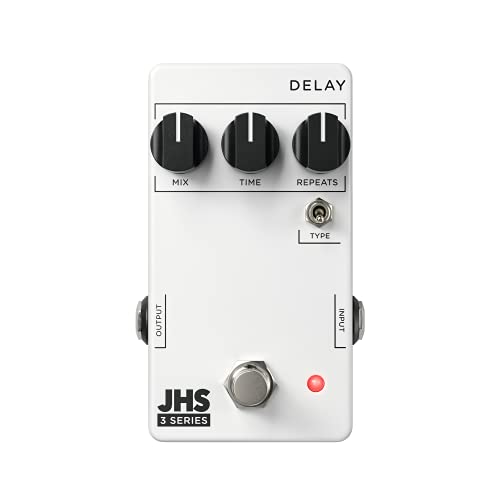
The 3 Series Delay provides 80ms to 800ms of delay time, suitable for slapback to long ambient echoes. The Type toggle offers a choice between clear digital-voiced and darker analog-voiced delays. This pedal is built for versatility, allowing vocalists to carve space in a mix or create immersive wash textures for choruses and backing layers.
Best for: performers needing a wide delay range with a choice between digital clarity and analog warmth. Great for both live performances and studio experiments where timing and texture matter.
Limitation: Primarily a guitar-oriented delay pedal; ensure your signal chain accommodates mic-level input or an appropriate preamp to avoid level mismatches.
MXR Carbon Copy Analog Delay

The MXR Carbon Copy offers rich, all-analog delay with up to 600 milliseconds of delay time and tape-echo-like modulation controls. While primarily a guitar pedal, its warm, natural repeats can suit vocal applications when used with a suitable mic preamp or DI. It provides a classic tone that complements vintage-inspired vocal chains.
Best for: vocalists seeking a warm, analog flavor in a delay chain, especially when chasing a vintage studio vibe. It’s better for controlled, creative use rather than high-gain live processing.
Caution: Not designed specifically for mic-level signals; ensure proper impedance matching and gain staging to avoid hiss or noise.
Donner Analog Delay Mini Pedal

The Donner pedal reproduces warm vintage analog delay with 20ms to 620ms range and adjustable delay level and feedback. Its compact, pedalboard-friendly design makes it convenient for small setups. The aluminum-alloy body suggests durability for stage use, and the unit’s compact footprint helps preserve space for other vocal effects in a live rig.
Best for: performers who want an affordable, portable analog delay option with a wide but manageable delay range. Choose this if you need simple, reliable vintage tone on the go.
Limitation: Being a compact, budget-friendly unit, it may lack advanced features found on higher-end pedals; tonal consistency can vary with temperature and power supply quality.
Walrus Fundamental Series Delay

The Walrus Fundamental Series Delay offers classic delay controls: Time, Feedback, and Mix, with modes including Digital, Analog, and Reverse and divisions like Quarter, Dotted 8th, and 8th. This configuration supports precise timing for vocal phrases, harmonies, and effects tails, appealing to performers who want flexible rhythmic delay options.
Best for: users who need a broad set of delay textures with clear mode distinctions, suitable for both live shows and studio sessions requiring rhythmically precise echoes.
Caution: The UI can be less intuitive for quick changes on stage; plan a brief pre-show setup time to dial in your preferred modes.
SONICAKE Digital Delay Reverb 2 in 1

The SONICAKE 2-in-1 pedal combines digital delay and plate reverb in a compact format. With a maximum delay time up to 2000ms and a tunable decay parameter, it’s suitable for longer vocal tail effects and ambient soundscapes. Live performance features include Trail and Tap Tempo to maintain rhythm during stage execution.
Best for: performers who want two core effects in one compact pedal, especially useful for ambient vocal textures and space-enhanced choruses. It’s a versatile option for both live and studio use.
Limitation: While feature-rich for its size, it may not match the utmost fidelity of dedicated high-end delay or hardware reverb in extreme settings.
Buying Guide: How To Choose The Right Vocal Delay Pedal
What delay range suits your vocal style? If you rely on short, punchy repeats for impact, prioritize pedals with 80ms–300ms. For ethereal, spacey vocals, look for 600ms–2000ms options and support for Trail or Tap Tempo.
Do you need pitch correction or vocal morphology? Pedals like FV01 and MVP1 provide built-in pitch correction with tone presets. If you only want delay, a dedicated delay pedal with a clean signal path might suffice.
How important are presets and tone shaping? Devices with Warm, Bright, and Normal EQ modes help you adapt to different genres or venues. Reverb or robot voice presets can add character but may require careful balancing to stay natural in a mix.
What is your signal chain and power setup? For mic-level vocal inputs, ensure the pedal supports mic preamps or route through a suitable DI/preamp. Some units are designed primarily for guitar-level signals and may need adjustments to avoid noise or level mismatches.
Are you prioritizing portability or studio flexibility? Compact mini pedals are ideal for small rigs, while multi-function units suit studio work with more routing options. Consider how you will integrate the pedal with an existing pedalboard or audio interface.
FAQ
- Can these pedals be used for live vocal performances?
Yes. Many units provide live-friendly features such as Tap Tempo, trail, and straightforward gain staging, but check mic compatibility and power needs.
- Is pitch correction necessary for all vocal delays?
Not always. Pitch correction is useful for autotune-like effects or smoothing out intonation, but it’s optional based on your style.
- Are analog delays better for vocals than digital delays?
Analog delays offer warmth that some vocalists prefer, while digital delays provide precise timing and longer repeats. The choice depends on the desired texture and genre.
- Should I buy a two-in-one unit or separate pedals?
Two-in-one units save space and simplify routing, but dedicated pedals can deliver higher fidelity and more flexible control for complex setups.
- What should I consider for mic-to-pedal compatibility?
Ensure the pedal handles mic-level inputs or plan a preamp/DI stage to maintain clean signal integrity and avoid noise.