Best 16-Channel Digital Mixers for Studio and Stage
Immediately find the right 16-channel digital mixer for your live sound or home studio. This guide highlights top models suited for different buyers—from mobile podcasters and touring musicians to small venues and home studios. Each option emphasizes ease of use, routing flexibility, and sound quality. The following table compares the highlighted picks to help you choose quickly.
| Product | Best For | ||
|---|---|---|---|
| Behringer X AIR XR18 | Live venues, tablet-based control | 18 inputs, 16 MIDAS preamps, built-in Wi-Fi | Great for compact wireless setups |
| MIZISNR 16 Channel Mixer | Budget-friendly studio and live use | 99 DSP effects, 7-band main EQ | Value-focused with robust features |
| Yamaha MG16XU | Small studios and gigs needing classic effects | Inbuilt SPX effects, D-PRE preamps | Solid, reliable option |
| XTUGA 16 Channel | Multi-device setups and streaming | Bluetooth, 48V phantom, compact | Nice for writers and streamers |
| Mackie ProFX16v3 | Content creators and live performances | Onyx preamps, USB I/O with effects | Versatile and easy to integrate |
Buyer tip: If you want wireless control and compact stage setups, the XR18 stands out. If you’re on a tighter budget but still need DSP and solid routing, the MIZISNR model offers strong value. For traditional analog tone with modern effects, Yamaha MG16XU and Mackie ProFX16v3 deliver reliable performance. The XTUGA model is best for multi-device flexibility and streaming workflows.
Behringer X AIR XR18 18-Channel Digital Mixer
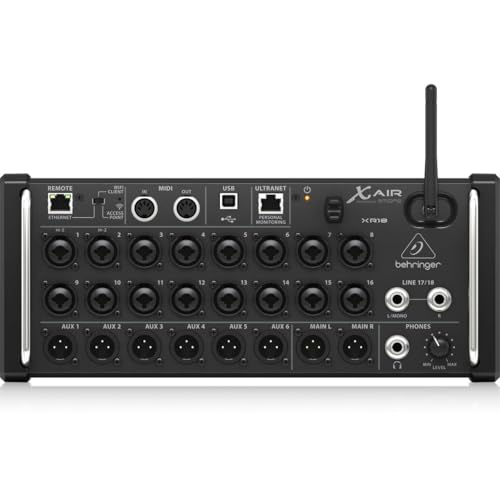
The XR18 is an 18-input digital mixer designed for iPad and Android control. It includes 16 programmable MIDAS preamps for studio-grade sound and a built-in Tri-mode Wi‑Fi router for direct operation without external gear. Best for: mobile gigs and venues where wireless control simplifies stage setup. Limitation: relies on a stable Wi‑Fi connection for remote control, so network interference can affect performance.
MIZISNR 16 Channel Mixer

This 16-channel mixer emphasizes a powerful suite of DSP effects (99 presets) and a 7-band main EQ, alongside independent channel controls (gain, EQ, AUX, pan) for precise shaping. Best for: budget-conscious live sound or studio setups needing broad effect options. Limitation: effects-driven workflow may require time to dial in for complex gigs.
Yamaha MG16XU 16-Input Mixer

The MG16XU offers studio-grade D-PRE preamps and SPX digital effects for simple, reliable tone shaping. Best for: small studios and live performances needing clean signal paths and famous Yamaha effects. Limitation: fixed channel count and less extensive onboard routing compared to higher-end digital models.
XTUGA 16 Channel Audio Mixer

XTUGA’s 16-channel mixer is built for multi-device use, with 48V phantom power and Bluetooth. Best for: podcasters and streamers who need flexibility to mix from multiple sources. Limitation: may not offer the depth of stage-ready routing found in higher-end digital desks.
Mackie ProFX16v3
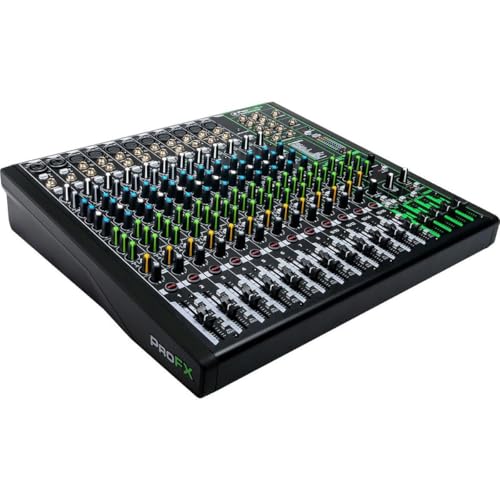
The ProFX16v3 combines 16 channels with Onyx preamps and a dedicated effects engine, plus 2×4 USB I/O for sending individual mixes to the computer. Best for: content creators and live performers who want simple USB routing and reliable preamps. Caution: an analog-centric design may feel less flexible than fully digital desks in complex multi-scene setups.
Buying Guide
What should you consider when selecting a 16-channel digital mixer?
- Connectivity: Do you need wireless control or hardwired control panels? XR18 offers built-in Wi-Fi for tablet control, while others rely on USB or Ethernet for computer workflow.
- Preamps and headroom: Higher-quality preamps like MIDAS, D-PRE, or Onyx can impact clarity and gain. Choose based on your mic needs and loudness.
- Effects and routing: DSP effects and flexible bus routing help tailor the mix for different venues or recordings. If you rely on effects heavily, models with 99 DSP presets or strong onboard effects are advantageous.
- Phantom power and mic options: If you use condenser mics, ensure each channel offers 48V phantom power and proper impedance handling.
- Size and footprint: For portable setups, slim or compact designs help transport and quick setup without sacrificing essential inputs.
- Software and control: Consider whether tablet or laptop control aligns with your workflow and whether you need multi-device control for large setups.
FAQ
- What is a 16-channel digital mixer best for?
It’s ideal for small to medium live sound rigs, home studios, and multi-source recordings that require multiple inputs with flexible routing and onboard effects.
- Do all 16-channel mixers include USB recording?
No, some models offer USB I/O for direct computer routing, while others emphasize USB for playback and limited multitrack recording.
- Is built-in Wi‑Fi essential?
It depends on your workflow. Built-in Wi‑Fi simplifies wireless control on stage, but wired control can be more stable in some environments.
- Are analog inputs still relevant?
Yes. Analog channels can be easier to dial in for quick gigs, while digital desks excel in routing and effects flexibility.
- Which mixer is best for streaming?
Mixers with robust USB audio interfaces and Bluetooth or computer integration (like XTUGA or Mackie models) tend to perform well for live streaming and remote production.
- What is the benefit of MIDAS or Onyx preamps?
They typically offer lower noise and broader headroom, translating to cleaner captures with dynamic mics and higher gain without hiss.