
Best Digital Mixers for Live Sound: Top Picks for Stage and Studio
Looking for the best digital mixer for live sound? This guide highlights five top options that excel in live performances, streaming, and studio sessions. Each pick targets different needs—ease of use, built‑in effects, or advanced routing—so you can choose the right tool for your setup. The buyers below are ideal for small venues, podcasters, bands on tour, or hobbyists expanding into digital mixing.
Summary of selected products
| Product | Best For | Key Benefit |
|---|---|---|
| K-mxerpro 8 Channel | Small venues & streaming | USB audio interface and Bluetooth streaming |
| Behringer X AIR XR18 | Stage setups & mobile control | Wi‑Fi control with 18 inputs and MIDAS preamps |
| YAMAHA MG10XU | Compact studios & offices | 10 inputs with SPX effects |
| ALTO TMD16 | Small venues & houses of worship | 16 channels with 100mm faders and 7‑inch display |
| FULODE 16-Channel | Live events & DJ setups | 99 DSP effects and Bluetooth/USB playback |
K-mxerpro 8 Channel Professional Audio Mixer

This 8‑channel mixer offers flexible connectivity with 8 mic inputs (XLR and 1/4″), REC/TAPE I/O, and a 6.5mm headphone jack for private monitoring. It also supports USB audio playback and Bluetooth streaming, making it suitable for live shows, podcasting, and home studios. The 3‑band EQ per channel plus gain controls help shape each input, while reverb and delay effects enhance mixes. Best for small live setups and streaming tasks that require a compact, all‑in‑one solution.
Best for: small venues, podcasters, and live streamers who need USB recording and wireless playback. The built‑in Bluetooth makes it easy to blend device playback with live inputs. Caution: performance and feature depth are leaner than high‑end consoles; use the EQ and effects judiciously to avoid overprocessing.
Behringer X AIR XR18 18-Channel Digital Mixer
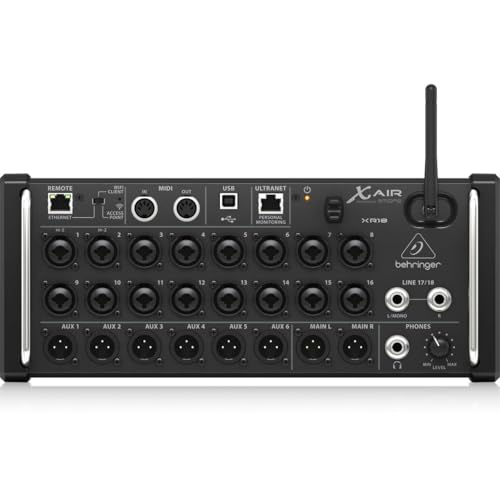
Behringer’s XR18 is a full 18‑channel digital mixer with 16 MIDAS‑designed mic preamps and integrated Wi‑Fi for wireless control via iPad or Android devices. It supports a multi‑channel USB audio interface and offers advanced routing, USB playback, and built‑in multi‑effects processing. Best for: stage crews and engineers who want robust remote control from a tablet and a feature‑rich, scalable digital mixer. Caution: complex setup may require time to master routing and effects programming.
YAMAHA MG10XU 10-Input Stereo Mixer

The MG10XU provides 10 inputs with USB connectivity and SPX digital effects. Its decent preamps and 3‑band EQ with high‑pass filters help sculpt a cleaner mix for small venues or studio work. Best for: musicians and presenters needing a portable, straightforward mixer with built‑in effects. Choose this if you want reliable Yamaha tone without extra gear. Limitation: fewer channels than larger digital boards; less flexible routing for complex shows.
ALTO TMD16 16-Channel Digital Mixer

ALTO’s TMD16 provides 16 channels, 10 pristine digital mic pres, and a 7‑inch color display with 100mm faders. It includes onboard studio processing with parametric EQ, compression, and a 16‑preset FX engine, reducing the need for external gear. Best for: venues or rehearsal spaces seeking hands‑on control and built‑in processing. Caution: higher price tier and feature set may exceed needs for very small setups.
FULODE 16-Channel Digital Mixer

The FULODE 16‑channel mixer blends Bluetooth streaming, USB playback, and a digital display with 99 DSP effects. Each channel has independent gain, EQ, and mute, making it suitable for live performances, DJ events, and karaoke. Best for: entertainers who need versatile input options and a rich effects suite. Limitation: DSP and interface can be dense for beginners; plan a learning period to maximize its features.
Buying Guide
What should you consider when choosing a digital mixer for live sound?
- Channel count: Match the number of input sources you need, including mics, instruments, and playback devices.
- Preamps and gain: Look for clean mic preamps with enough headroom for dynamic mics and loud rooms.
- Onboard effects and processing: Decide how much processing you want to do inside the mixer versus in your DAW or external gear.
- Output routing and USB/AI compatibility: Ensure the mixer fits your recording and streaming workflow, including USB audio interfaces and direct USB playback.
- Control options: Consider whether you need tablet/phone remote control, faders, or tactile encoders for quick adjustments.
- Mobility and footprint: For live gigs, a compact, lightweight model with straightforward setup is advantageous.
Frequently Asked Questions
- What is a digital mixer for live sound used for?
It combines multiple audio inputs, applies processing, and outputs a clean, balanced mix for live performances, streaming, and recording.
- Do I need built‑in USB playback on a live mixer?
USB playback can simplify sound checks and backing track playback directly from a computer or USB drive.
- Is wireless control necessary for live mixing?
Wireless control is convenient for large stages or quick adjustments, but traditional physical controls remain reliable for fast changes.
- What should I prioritize in a small venue mixer?
Channel count, reliable mic pres, lightweight portability, and intuitive control without extensive setup time.
- Which mixer type is best for streaming?
Mixers with USB audio interface capabilities and stable Bluetooth or wired playback workflows are ideal for streaming setups.
- Can I use a digital mixer for podcasting?
Yes, many models offer clean mic channels, built‑in effects, and easy USB recording suitable for podcasts.