
Best Double Bass Bow Rehair: Top Bows for Every Player
Finding the right double bass bow rehair begins with choosing a bow that delivers consistent weight, balance, and response. This guide highlights five bows well-suited for players seeking reliable tonal control and easy rosin behavior. It targets advanced players, students, and intermediate players alike, with options spanning Brazilwood, carbon fiber, and traditional horsehair. The top picks emphasize durability, playability, and good value for money. The buyer-friendly table below summarizes key attributes to compare at a glance.
| Product | Brand | Material | Size | Best For |
|---|---|---|---|---|
| VingoBow Full Size German Double Bass Bow | VINGOBOW | 4/4 | Advanced players seeking deep, powerful sound | |
| Conboxus 3/4 Upright Double Bass Bow | Conboxus | 3/4 | All skill levels; well-balanced, premium feel | |
| YINFEEL 3/4 Carbon Fiber Upright Bass Bow | yinfeel | 3/4 | Players needing durability and quick response | |
| LIEKE Carbon Fiber Upright Bass Bow | LIEKE | 4/4 | Backup or practice bow with strong balance | |
| Brazilwood French Style Double Bass Bow 3/4 | VINGOBOW | 3/4 | Beginners to intermediates; cost-effective |
Buyer note: each bow’s hair type and construction influence rosining ease, tone projection, and weight distribution. The selections below aim to cover traditional wood bows, modern carbon fiber designs, and versatile options suitable for rehair practice and routine maintenance.
VingoBow Full Size German Double Bass Bow

Material: Brazilwood. Hair: natural Mongolian horsehair. Weight: ~145 g. Length: ~76 cm with a 6 cm screw. This bow is described as a high cost-performance option for advanced players, delivering deep and powerful sound. Best for: advanced players who want a traditional, robust timber response and ease of rehair with natural hair. Caution: Brazilwood can be more sensitive to climatic changes; keep away from extreme humidity.
Conboxus 3/4 Upright Double Bass Bow

Material: Brazilwood. Hair: natural Mongolian horsehair. Handcrafted by seasoned bowmakers. The bow is described as well-balanced with a powerful yet clear tone. Best for: players preferring a traditional wood bow with strong tonal core and reliable rosining. Caution: appearance suggests a classic feel; ensure proper storage to maintain wood integrity.
YINFEEL 3/4 Carbon Fiber Upright Bass Bow
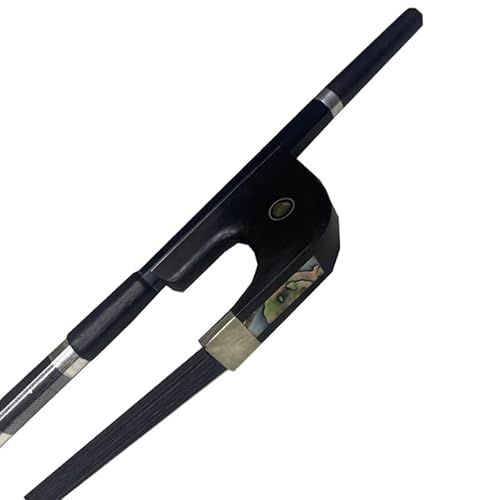
Material: Carbon fiber with standard horsehair. Noted as a 3/4 size bow. Best for: players seeking durability, quick response, and consistent tone across a range of playing styles. Caution: carbon fiber bows may feel different under heavy rosin compared with traditional wood bows; acclimate to the weight and balance.
LIEKE Carbon Fiber Upright Bass Bow 4/4

Material: Carbon fiber with ebony frog and abalone slide. Size: 4/4, weight around 133 g, length about 72.5 cm. Hair: natural Mongolian horsehair. Best for: players needing strong balance, quick response, and a durable back-up or practice bow. Caution: carbon fiber bows can be less forgiving on stylistic subtleties; rely on precise bow control for nuanced expression.
Brazilwood French Style Double Bass Bow 3/4

Hair: natural black Mongolian horsehair. Brazilwood construction in octagonal shape with air-dried wood over five years. Weight: ~147 g; Length: ~70 cm including screw. Best for: beginners to intermediates seeking a cost-effective, versatile bow with strong tone and easy rosining. Caution: black horsehair is thicker; consider rosining habit and comfort with rosin amounts.
Buying Guide
What matters most when choosing a double bass bow rehair option?
- Bow material: Brazilwood offers traditional tone and warmth; carbon fiber provides durability and consistent response, especially in varying climates.
- Hair type: natural Mongolian horsehair provides elasticity and strong rosin pickup; black hair is thicker and can produce a louder tone but may require different rosining pressure.
- Size and weight: 4/4 bows are standard for full-size basses; 3/4 bows suit players with smaller builds or specific repertoire needs. Consider weight around 130–145 g for balance.
- Balance and frog construction: ebony or Parisian eyes, and fine inlay, influence control and comfort during long sessions.
- Maintenance: regular rosin application and proper storage prevent cracking, hair frizz, and warping. Rehair frequency depends on playing style and humidity.
Practical Buying Considerations
- New versus used: for critical playing needs, a new bow ensures consistent response and warranty-like expectations.
- Practice versus performance: choose lighter or balanced bows for daily practice; heavier bows may suit performance contexts requiring heavier tone.
- Climate sensitivity: wood bows respond to humidity; carbon fiber is more stable in variable environments.
FAQ
- What is the best bow material for beginners?
A Brazilwood bow is often recommended for its traditional feel and ease of tuning with beginner-friendly weight and balance. - Are carbon fiber bows better for travel?
Yes, carbon fiber bows generally resist warping and handle varied climates better than wood bows. - What size bow should I choose?
Choose 4/4 for full-size instruments; 3/4 is common for players with smaller builds or juvenile instruments. - How important is horsehair color?
Hair color (white vs. black) indicates hair type; black hair is often stiffer and can produce a louder tone, while white hair may offer more rosin grip. - How often should a bow be rehaired?
Rehair frequency depends on use and care; frequent players may rehair every 6–12 months, while casual players may last longer between rehairs.