
Best Double Bass With Bow for Every Player
Answering the question “which double bass bow should I choose?” this guide highlights top options for different skill levels and playing styles. Whether you’re a beginner, student, or seasoned pro, these selections emphasize balance, tone, and durability. Best for beginners are bows offering reliable handling and cost-performance value; best for professionals emphasize durability, resonance, and quick response. The following table compares five bows to help you decide which is right for your needs.
| Product | Material | Size | Weight | |
|---|---|---|---|---|
| Brazilwood French Style Double Bass Bow 3/4 | Brazilwood with black horsehair | 3/4 | ~147 g | Students to intermediates |
| LIEKE Carbon Fiber Upright Bass Bow 4/4 | Carbon fiber with Mongolian horsehair | 4/4 | ~133 g | Backup or practice bow |
| German Style Carbon Fiber Upright 3/4 | Carbon fiber with black horsehair | 3/4 | ~131 g | Advanced players |
| German Style Carbon Fiber Upright 4/4 | Carbon fiber with black horsehair | 4/4 | ~135 g | Advanced players |
| Conboxus 3/4 Upright Bass Bow | Brazilwood with natural horsehair | 3/4 | — | Budget-conscious players |
| Conboxus 4/4 Upright Bass Bow | Brazilwood with natural horsehair | 4/4 | — | General purpose |
| YINFEEL 3/4 Carbon Fiber Bow | Carbon fiber with black horsehair | 3/4 | — | Travel or student use |
| VINGOBOW 3/4 Carbon Fiber French Model | Carbon fiber with black horsehair | 3/4 | ~131 g | Travel-friendly students to advanced players |
Brazilwood French Style Double Bass Bow 3/4

Material and construction emphasize a traditional feel. Brazilwood with natural Mongolian horsehair provides a robust, resonant tone and easier rosining, suitable for players who value a classic response. The octagonal Brazilwood stick is air-dried for years, offering a dependable balance. At approximately 147 g, this 3/4 bow is designed for students through intermediate players.
Best for: Beginners who want a traditional feel and reliable sound; students needing a cost-performance option. Limitations: May not suit professionals seeking ultra-lightweight, high-end carbon fiber response.
LIEKE Carbon Fiber Upright Bass Bow 4/4

This French-model carbon fiber bow pairs light handling with a strong response. It uses Natural Mongolian horsehair for resilience, which helps rosining and longevity. The 4/4 size projects a balanced, clear tone, making it a strong backup or practice bow for players who travel or study regularly. It’s noted for easy handling and consistent response across long sessions.
Best for: Backup or practice use; players who travel frequently. Limitation: Carbon fiber bows can feel stiffer to players chasing a purely wooden bow’s warmth.
German Style Carbon Fiber Upright 3/4

Advanced carbon German bows feature a stronger stick with quick response and longevity. The 3/4 bow weighs about 131 g and measures roughly 74 cm overall, including a 6 cm screw. The finish emphasizes a deep, powerful tone, suitable for advanced players seeking reliable projection and a flexible feel. The model is designed to withstand frequent practice and performance settings.
Best for: Advanced players who demand strong projection; frequent performers. Limitation: Heavier feel for some players used to lighter, wooden bows.
German Style Carbon Fiber Upright 4/4
The 4/4 version mirrors the 3/4 build with a 135 g weight and 76 cm length, including a 6 cm screw. It’s designed for players seeking robust tone and durability in a professional-grade carbon fiber bow. The ebony frog with Parisian eye details adds a refined aesthetic while maintaining practical performance. This bow is well-suited for serious rehearsals and concert settings.
Best for: Professional or long-term players; those needing dependable, deep tone. Limitation: Higher price point relative to beginner models.
Conboxus 3/4 Upright Double Bass Bow

Natural Mongolian horsehair provides elasticity and solid rosining pickup. The bow, crafted from Brazilwood and air-dried, combines traditional feel with hand-made craftsmanship. This 3/4 bow delivers a rich, straight-shaped tonal output and a reliable playing experience for learners and mid-level players.
Best for: Players seeking a classic Brazilian wood feel at a reasonable price. Limitation: Not as light or responsive as premium carbon-fiber models.
Conboxus Brazilwood Upright Double Bass Bow 4/4

This 4/4 Brazilwood bow emphasizes balanced weight distribution with natural horsehair. The hand-crafted Brazilwood stick is air-dried, offering strong handling and a warm, clear tone across registers. It’s a practical choice for players who want a straight-shaped bow with premium tonal quality at a moderate price.
Best for: General purpose use at a sensible price point. Limitation: Not the lightest option for extended, high-speed passages.
YINFEEL 3/4 Carbon Fiber Upright Bass Bow
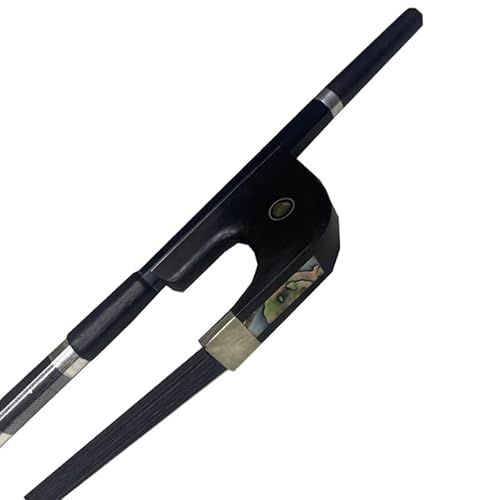
This 3/4 carbon fiber bow features a robust build with black horsehair, aimed at players needing travel-friendly reliability. While focused on utility and portability, it remains suitable for practice and school settings where dependable response is essential. The listing highlights a straightforward “bass bow” purpose for easy search and selection.
Best for: Students and travelers who require a compact, durable bow. Limitation: May lack some refinement found in higher-end models.
VINGOBOW 3/4 Carbon Fiber French Model

This 3/4 French-model bow uses carbon fiber for strength and a resilient black Mongolian horsehair. The stick is designed for easy rosin pickup and durability, delivering a powerful, wild tone that suits aggressive or expressive playing. The weight and length are balanced for comfortable handling and projection, making it a strong option for students moving toward advanced technique.
Best for: Travel-friendly students and players seeking a bold, expressive tone. Limitation: Heavier feel for players who prefer ultra-light bows.
Buying Guide
Key purchase considerations help narrow choices beyond model names and images. Consider bow material, size, weight, frog design, and riding style to match your playing needs.
- Material and feel: Wood bows (Brazilwood) deliver warmer tone; carbon fiber bows are lighter, more durable, and stable in varying conditions. Choose based on tone preference and climate stability.
- Size and weight: 3/4 suits most teens and smaller players; 4/4 fits many adults. Lighter bows feel quicker in fast passages; heavier bows provide more power in louder sections.
- Horsehair quality: Natural Mongolian hair offers resilience and rosining ease. Black hair is typically thicker and can yield a stronger tone than lighter hair colors.
- Durability and travel: Carbon fiber bows resist humidity and temperature changes, making them ideal for frequent transport and varying practice spaces.
- Frog and balance: Ebony or Parisian-eye frogs add durability and playing comfort. A well-balanced bow reduces strain during long sessions.
FAQ
- What size bow should a beginner start with?
Most beginners start with a 3/4 size since it fits most younger players and some adults; choose 3/4 if you’re under about 5’6″ or if your instrument is a 3/4 setup.
- Is carbon fiber bow better than Brazilwood?
Carbon fiber offers greater durability, consistency, and lighter handling for many players, especially travelers. Brazilwood provides a traditional tone for those preferring natural wood.
- How important is weight when buying a bass bow?
Weight affects speed and ease of playing. Lighter bows (around 130 g) facilitate fast passages; heavier bows offer more projection but can cause fatigue with long practice.
- What hair color is best for tone?
Natural Mongolian horsehair is common and trusted for resilience and rosining. Black hair tends to yield a stronger, louder tone.
- Should I buy a bow as a backup for practice?
Yes, a lighter, durable model such as a carbon fiber bow in 4/4 or a 3/4 backup bow can be ideal for practice and travel.
- What is a good budget option for students?
Look for 3/4 Brazilwood or Brazilwood-based bows with natural horsehair for a balance of cost and tonal quality, suitable for beginners and intermediate players.