Best Drop-C Bass Strings for Heavier Tones
Answering the search query with practical guidance, this guide highlights the best drop-C bass strings for players seeking deeper tuning, tighter feel, and balanced tone. The top picks cater to players in hard rock, metal, and modern fusion who want reliable intonation and clear note definition at lower tunings. The list includes options for heavy gauge lovers, balanced tension players, coated and uncoated preferences, and those prioritizing longevity. The following five products are well-suited for different bass setups, including 4-string and extended-range guitars where drop-C tunings are common.
| Product | Brand | Best For |
|---|---|---|
| Ernie Ball Beefy Slinky Nickel Wound Bass Strings, 63-130 | Ernie Ball | Low tunings like BEAD, drop B, drop C; players needing heavy feel |
| D’Addario EXL160BT, 50-120 | D’Addario | Balanced tension and bright tone for modern bass playing |
| DR DDT Bass Guitar Strings (DDT-55) | DR Strings | Stable tuning with minimal adjustments |
| Jim Dunlop Nickel Wound 11-56 (Drop C) | Jim Dunlop | Modern playing experience with consistent volume |
| DR DDT Drop Down Tuning Heavy (50-110) | DR Strings | Coated core for extended life at lower tunings |
Ernie Ball Beefy Slinky Nickel Wound Bass Strings

The Beefy Slinky set uses a 65-to-130 gauge range, designed for 4-string bass players using heavy gauges at low tunings, including drop C. The tone is rich and balanced, providing strong low end without sacrificing note clarity on the higher strings. This option is best for players who want extra tension for stability in drop tunings and who play down-tuned grooves or downtuned riffs.
Best for: Players who drop to C or lower with a heavy-handed playing style and need durable, tight tension. Choose this if you prefer a robust, articulate low end and a bright, balanced overall tone. A potential limitation: heavier gauges can be stiffer to press and may require a setup adjustment (neck relief and truss rod) for optimal playability.
D’Addario EXL160BT Nickel Wound Bass Strings
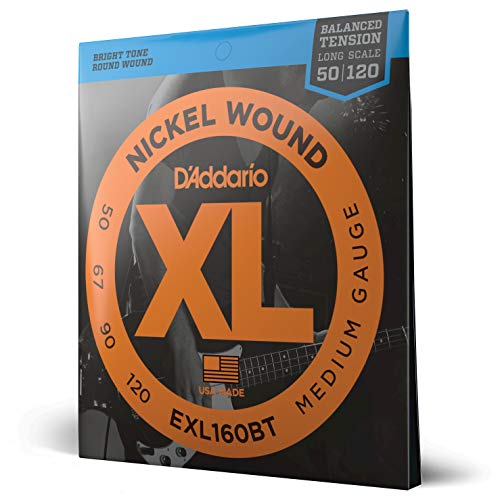
EXL160BT features balanced tension across the gauges, with bright nickel-wound strings that deliver a clear, cutting tone suitable for modern bass lines. The gauge progression (.010, .0135, .017, .024, .034, .046) provides a versatile mix of playability and stability in drop tunings while maintaining string-to-string consistency in dynamics.
Best for: Players seeking uniform tension and reliable intonation when tuning down to drop C. Better for: players who want a bright attack with good note definition across the fretboard. Caution: the bright tone may feel less warm at very low tunings if the bass body and electronics are not balanced for such tension levels.
DR Strings DDT Bass Guitar Strings (DDT-55)

DDT-55 focuses on stability and ease of tuning. The set emphasizes quick intonation with minimal adjustments, making it a practical choice for players who switch tunings frequently or require consistent setup across sessions. The data suggests a clear, stable tone when dropped to lower tunings, with emphasis on tuning accuracy and minimal retuning.
Best for: Players who want straightforward tuning stability in drop tunings and minimal setup adjustments. Consider: it may not offer the same extended low-end tension as heavier gauges, depending on your bass and playing style. Limitation: not all players will perceive a dramatic tonal difference versus other heavy gauge sets in extreme drop tunings.
Jim Dunlop Nickel Wound 11-56 (Drop C)

These 11-56 gauge strings are designed for a modern playing experience with consistent volume across strings and comfortable tension. The set is well-suited for drop C because it provides a lighter top compared with heavy bulk gauges, while maintaining enough tension for solid tone and sustain.
Best for: Players who want a balanced, versatile set that works well for aggressive genres and drop tunings. Choose this if you prefer slightly lighter feel on the high strings; avoid if you need maximum tension for downtuned downtuned riffs and heavy chugging across all strings.
DR Strings DDT Drop Down Tuning Heavy (50-110)

DDT Heavy with gauges 50-110 is specifically designed for players who use dropdown tuning. The stainless-steel wrap on a hexagonal core wire delivers extra brightness while maintaining stability at heavy gauges, offering long-lasting tone with reliable intonation. The coated core technology helps prolong life in humid conditions and when sweat exposure is high.
Best for: Players dedicated to drop C and similar tunings who need brightness and endurance in one package. Better for: players who want less frequent string changes but may prefer a slightly warmer or more balanced tone across the range. Caution: coating type and brightness might feel too bright for players seeking a darker, vintage warmth.
DR Strings DDT Bass Guitar Strings (DDT5-45)

DDT5-45 focuses on stability and accurate intonation, enabling players to drop notes confidently. The coated hexagonal core wire locks the stainless wrap in place, reducing the need for constant tuning adjustments. The set allows lower-pitched notes to stay clean and in tune with minimal effort.
Best for: Players who want precise tuning with minimal setup changes when dropping to lower tunings. Choose this if you value quick tuning stabilization and easy intonation maintenance. Limitation: the lighter gauge on the high strings might require careful picking dynamics to maintain tonal balance at very low tunings.
DR Strings DDT Bass Guitar Strings (DDT5-55)

DDT5-55 offers stable, accurate, and clear performance with minimal retuning, similar to the DDT-55 but with an extended low end. The coated core wire locks the stainless wrap for better stability over a broader tension range, making it suitable for extended-range drop tunings.
Best for: Players who want strong low-end presence and reliable stability across a broader range of tunings. Better for: players who want consistent feel across all strings when using drop tunings. Caution: may feel stiffer on the highest string when tuned down aggressively, depending on neck setup.
Buying Guide: Key Considerations For Drop-C Bass Strings
- Gauge Range: Heavier gauges provide tighter tension in drop tunings, reducing floppiness on the low strings. Lighter sets are easier to press but may go floppy when dropped to C or lower.
- Tension Balance: Balanced tension sets help ensure even response across all strings in a tunning down scenario, improving playability and intonation.
- Coated vs. Uncoated: Coated strings last longer but can feel slick and slightly brighter. Uncoated strings offer a traditional feel and tone that some players prefer for aggressive playing styles.
- Tone Character: Consider brightness vs. warmth. Bright tones cut more in dense mix genres; warmer tones can feel more musical across chordal ideas in lower tunings.
- Core & Wrap Technology: Advanced core and wrap designs improve stability, intonation, and life in condition-prone environments (humidity, sweat).
- Longevity vs. Feel: If you gig regularly, longevity matters. If you focus on feel, prioritize tension and playability in your chosen gauge set.
FAQ
- What gauge is best for Drop-C tuning? – Heavier gauges around 50-60 on the low strings with a balanced set for other strings are common, but the best choice depends on playing style and neck setup.
- Are coated strings better for drop tunings? – Coated strings last longer and resist corrosion, which can be beneficial for frequent tuning changes and playing in humid environments.
- Can I use 6-string sets for Drop-C on a 4-string bass? – Some players use extended-range sets, but ensure your nut, truss rod, and bridge can accommodate the gauge and tension.
- Do I need to adjust truss rod after changing gauges for drop tunings? – Yes, a slight truss rod adjustment is common when changing tension significantly, especially for drop tunings.