Best Microphones for Vocals: Dynamic or Condenser for Your Studio or PC Setup
Choosing the right vocal microphone comes down to your recording environment, voice, and gear compatibility. This guide highlights five top Amazon options across dynamic and condenser designs, and explains who each is best for. Whether you’re recording at home, streaming, or podcasting, these picks balance clarity, versatility, and value. The list favors mics with strong noise handling, easy setup, and solid build for long-term use.
Summary table of chosen products:
| Product | Type | Best For | Main Benefit |
|---|---|---|---|
| Audio-Technica AT2020 | Condenser | Home studios, vocals with controlled room | Wide dynamic range, versatile for project studios |
| MAONO AU-A04 USB | Condenser USB | Podcasts, streaming, beginners | Plug-and-play with high sampling rate |
| Audio-Technica AT2035 | Condenser | Studio, podcasting, streaming | Low noise, large-diaphragm warmth |
| TONOR TC310 | Condenser USB | Gaming, streaming, team communications | RGB lighting and easy USB setup |
| Shure SM58-LC | Dynamic | Live performances, broadcasting | Legendary vocal clariy and ruggedness |
Audio-Technica AT2020 Cardioid Condenser Microphone
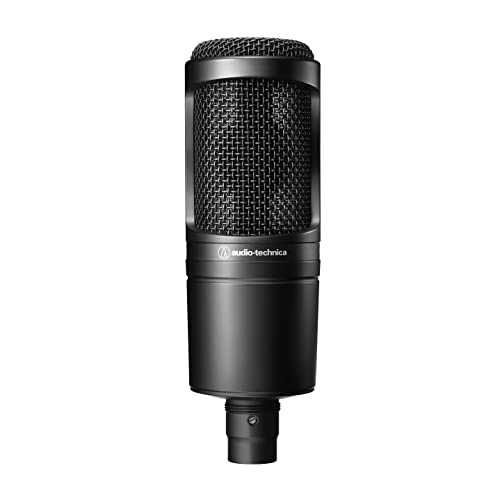
The AT2020 is a staple condenser mic favored in home and project studios. Its cardioid pickup reduces side and rear noise, helping vocal tracks sit cleanly in a mix. Best for singers with controlled recording spaces or singers who track with minimal room treatment. The mic handles high SPLs and offers a wide dynamic range, yielding versatile performance from spoken word to full vocal takes. A good fit for those who need a reliable, affordable studio vocal mic without extra gear.
Who it’s best for: home musicians, podcasters, and voiceover artists seeking natural vocal warmth with straightforward setup. Why selected: its price-to-performance ratio is strong for project studios, and it pairs well with entry audio interfaces. Caution: more room treatment may be needed to minimize reflections in untreated spaces.
MAONO USB Microphone AU-A04

The AU-A04 is a USB condenser mic designed for plug-and-play use with PC laptops, ideal for creators who want a simple, all-in-one solution. It supports up to 192kHz/24-bit resolution with a flat 30 Hz–16 kHz response, capturing crisp vocals for podcasts, streams, and voice-overs. It removes the need for an audio interface, making it accessible for beginners and on-the-go recording.
Who it’s best for: beginners, students, and streamers needing quick setup and reliable USB output. Why selected: strong audio resolution and ease of use, with a shielded USB cable to minimize interference. Caution: USB-only operation limits integration with high-end analog gear.
Audio-Technica AT2035 Cardioid Condenser Microphone

The AT2035 offers a larger diaphragm and a cardioid pattern to focus on the voice while reducing surrounding noise. It’s well suited for home studios, podcasts, streaming, and higher-quality vocal tracking. The microphone is designed for both clinical studio tasks and live-style recording with lower self-noise compared to basic entry-level condensers.
Who it’s best for: serious home studios and podcasters who want smoother tonal balance and reduced noise. Why selected: it delivers a natural vocal character with low noise and strong sensitivity. Caution: requires a suitable audio interface and environment to maximize its potential.
TONOR TC310 USB Gaming Microphone Kit

The TC310 is a USB condenser mic designed for streaming and gaming, featuring a standard cardioid pattern and a built-in mute button plus volume controls. It’s a practical option for teams and communities communicating in real time, offering straightforward USB connectivity and a pleasing vocal presence. The included stand and RGB lighting add visual appeal for live streams.
Who it’s best for: streamers, gamers, and remote teams needing an easy, all-in-one recording solution. Why selected: best for quick setup and front-facing streaming environments. Caution: RGB lighting is cosmetic and may be distracting in non-gaming uses.
FIFINE Dynamic USB/XLR Microphone K688

The FIFINE K688 is a dynamic microphone option offering robust sound with a cardioid pattern that minimizes background noise. Its multiple output options (USB and XLR) provide flexible integration with different setups. This mic is suitable for vocal voice-overs, streaming, and PC use, often preferred where room acoustics are challenging. A limitation is that dynamic mics may require higher gain in some interfaces to reach comparable loudness to condensers.
Who it’s best for: budget-conscious creators who need a durable mic with flexible connectivity. Why selected: strong noise rejection and versatility for home studios, gaming, and podcasts. Caution: dynamic mics typically require careful handling of gain settings to avoid under- or over-amplification.
MAONO PD200X USB/XLR Dynamic Microphone Kit

The PD200X is a dual-interface dynamic mic designed for streaming, podcasting, and gaming. It emphasizes a warm vocal presence with an extended 40 Hz–16 kHz frequency range, reducing background noise via cardioid pickup. Software options enable fine-tuning for voice, while USB and XLR outputs offer flexible paths to professionals or direct computer use.
Who it’s best for: content creators who want dual-interface flexibility and software-based voice shaping. Why selected: practical for both USB quick setups and XLR-grade connections. Caution: software features are USB-mode dependent and may require the MAONO Link ecosystem to access full controls.
Buying Guide: How To Choose The Right Vocal Mic
- Condenser vs Dynamic: Condensers capture more detail and high-frequency clarity ideal for controlled rooms; dynamics excel in untreated spaces and live settings with better off-axis rejection.
- Interface Needs: USB mics are simplest for beginners; XLR mics require an audio interface but offer better preamps and future expandability.
- Voice Type And Room: For bright, sibilant voices, a cardioid condenser with careful room treatment helps; for louder voices or noisy environments, a dynamic tends to be more forgiving.
- Budget And Onboard Features: Integrated gain control, mute buttons, and software packages can influence long-term workflow and convenience.
- Portability And Setup: USB mics travel well; XLR kits can become powerful studio tools but require more setup and desk space.
Frequently Asked Questions
- What’s the difference between a dynamic and a condenser mic for vocals? Dynamic mics handle high SPLs and background noise better; condensers offer more sensitivity and detail suitable for treated spaces.
- Do I need an audio interface for condensers? Yes, most condensers require phantom power and a preamp provided by an audio interface or mixer.
- Is a USB microphone sufficient for a professional-sounding vocal track? For many home setups, yes, especially when combined with acoustic treatment and good technique.
- Which mic is best for streaming and gaming? USB condenser mics with cardioid patterns and convenient controls typically work best for streaming environments.
- Should I buy a mic with bundled accessories? Bundles can add value (arm, pop filter, shock mount), but ensure the core mic quality meets your needs first.
- What is a cardioid pattern good for? Cardioid mics focus on the front signal and reduce side/rear noise, improving vocal isolation in noisy rooms.