Best Earbuds With Most Bass for Music Lovers and Bass Heads
Answering the demand for powerful bass in a compact package, this guide highlights earbuds that emphasize deep, punchy low-end without sacrificing clarity. The top choices are best for bass enthusiasts, travelers, and daily commuters who want immersive sound with portable convenience. Each pick includes a quick reference to who it’s best for and why it stands out in bass performance.
Summary table of selected products:
| Product | Best For | Why It Stands Out | Limitations |
|---|---|---|---|
| JBL Vibe Beam 2 | All-around bass lovers | Pure Bass with Smart Ambient and 4 mics for calls | Open design limits isolation in windy environments |
| XIAOWTEK Wireless Earbuds S66 | Long listening sessions | 13.4 mm graphene diaphragm delivers deep bass and long playback | Case complexity may affect quick checks |
| PocBuds Bluetooth Earbuds | Travelers and long trips | Deep bass with IPX7 and 80 hours total playtime | AI translation features may distract from bass focus |
| MORMOQUE EP05 Wired Earbuds | Budget-friendly bass | HD bass with multiple ear tip sizes for comfort | Wired design limits wireless convenience |
| Baseus Bass BP1 Pro | Premium ANC bass | Real-Time ANC, LDAC and deep bass emphasis | Higher price for advanced features |
Wireless Earbuds With Long Battery And Deep Bass
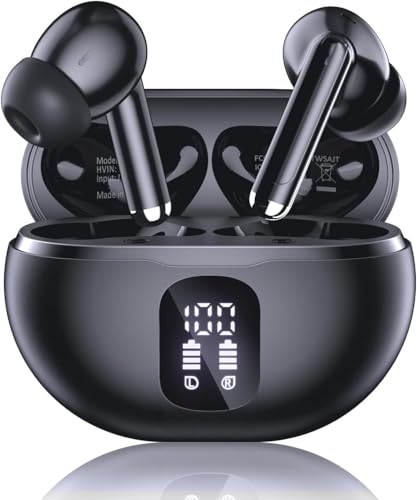
Best for: listeners who want extended playtime without frequent recharging and clear calls. These earbuds offer up to 50 hours of playback with the charging case and a visual LED power display for easy monitoring. The graphene diaphragm supports strong bass, while ENC microphones reduce background noise for clearer conversations.
Why selected: The combination of long battery life, automatic pairing after initial setup, and a robust bass-driven driver makes these a solid choice for bass-focused listening on the go.
Caution: The battery and display features rely on proper charging case usage; excessive charging cycles may affect longevity over time.
JBL Vibe Beam 2 – True Wireless Bass Earbuds

Best for: users who want bold bass with smart ambient listening and reliable call quality. JBL Vibe Beam 2 delivers 8 mm drivers for JBL Pure Bass, plus four microphones and smart ambient to tune how much outside sound you hear during bass-forward tracks.
Why selected: Its dedicated bass emphasis paired with adaptive ambient technology makes it a standout for those who value punchy lows plus practical everyday awareness.
Caution: Noise cancellation is not the same as full isolation in very loud environments; external sounds can still bleed through during intense bass passages.
MORMOQUE EP05 Wired Earbuds (2 Pack)
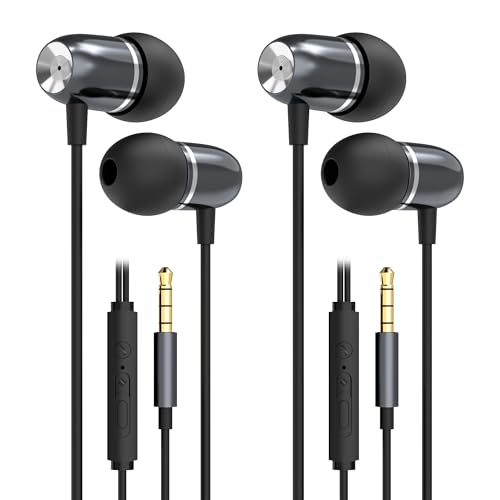
Best for: budget-conscious buyers who still want strong bass and a comfortable in-ear fit. The EP05 offers crystal-clear sound with deep bass and multiple silicone tip options for small ears or extended wear.
Why selected: The bass-forward tuning and included tip sizes help ensure a secure seal for enhanced low-end response, making it a strong value option.
Caution: As a wired model, it lacks wireless convenience and portability compared with true wireless options.
Baseus Bass BP1 Pro – ANC Bass Powerhouse

Best for: audiophiles who want real-time adaptive noise cancelling and deep bass with high-resolution sound. The BP1 Pro uses LDAC and adaptive EQ to preserve bass textures across volume changes, supported by six microphones for clear calls.
Why selected: The combination of real-time ANC, Hi-Res LDAC support, and deep bass makes this model well-suited to critical listening in noisy settings.
Caution: The feature-rich nature may require more setup and app usage, which can complicate first-time use for some buyers.
Buying Guide: What To Consider When Choosing Bass-Heavy Earbuds
- Bass emphasis vs. overall audio balance: Some models favor bass deeply; others provide a balanced spectrum with strong lows. Decide if you want the most bass-first or a more balanced profile with tight bass.
- Battery life and charging: Look for longer playback times if you plan to use earbuds all day. Charging case capacity and display features can help manage power.
- Connection stability: Bluetooth versions (5.3, 5.4) impact range and drop-free playback. If you move a lot, prioritize newer tech for stability.
- Noise control: Active Noise Cancellation can boost perceived bass by reducing external interruptions, but may affect price and battery use. Open-ear designs treat bass differently due to ambient awareness.
- Fit and seal: Silicone tips and earbud shapes affect bass response. Try multiple sizes if available to achieve a proper seal for deeper lows.
- Call quality: If you need bass-focused buds for calls, consider models with multiple microphones and ENC to minimize background noise while maintaining strong low-end presence.
- Durability and water resistance: For workouts or outdoor use, IP ratings (IPX7, IP55) help ensure the buds withstand sweat or rain while preserving bass performance.
Frequently Asked Questions
- What makes earbuds have the strongest bass?
Look for models with large drivers (like 13 mm or larger), bass-boost or Gaming/EQ modes, and codecs that preserve low-end details (such as LDAC). - Are wired earbuds better for bass than wireless?
Wired designs can offer lower latency and sometimes tighter bass, but modern wireless earbuds with large drivers and strong DSPs can rival wired options. - Does ANC affect bass response?
Yes, active noise cancellation can reduce some bass in certain modes or drain battery, but many high-end buds maintain deep bass while cancelling noise. - How important is the driver size for bass?
Driver size correlates with bass potential, but overall tuning, enclosure, and DSP processing determine the final bass performance. - Is longer battery life always better for bass headphones?
Longer battery life helps for extended listening, but bass quality and soundstage depend on drivers, tuning, and the DAC/codec used. - Can open-ear earbuds deliver strong bass?
Open-ear designs typically have less bass than closed-back buds due to the design, but some models use advanced drivers to maximize low-end within that form factor.