Best USB-C Earbuds for Every Device and Scenario
Answer: USB-C earbuds are a practical choice for users who want wired, plug‑and‑play audio with modern devices. This guide highlights five solid options and explains who benefits most from each. Ideal buyers include Android users seeking reliable Type‑C headphones, iPhone or iPad fans needing USB‑C compatibility, students and commuters looking for built‑in mics and controls, and athletes who value secure fits. Below is a quick buying snapshot to compare key picks at a glance.
| Product | Best For | Key Benefit | Limitations |
|---|---|---|---|
| TECHAIRLINE USB C Headphones | Samsung Galaxy and Google Pixel users | Secure fit, built‑in mic, USB‑C device compatibility | Some devices may require setting tweaks |
| Google Earbuds Wired Headset USB-C | Google Pixel and Type‑C phone owners | Inline controls for playback and calls | Sound stage may vary by device |
| LWZCAM USB C Earbuds (5 Pack) | General USB‑C users and families | Versatile compatibility with many Type‑C devices | Bulk pack means multiple identical options |
| MAXAUX USB‑C Wired Earbuds | Everyday use with USB‑C devices | Built‑in DAC for high‑quality output | Build feel varies by model |
| MORMOQUE EP09 USB‑C Earbuds | Music lovers and commuters | Hi‑fi tuned sound and noise isolation | Physical cord length may not suit all |
TECHAIRLINE USB C Headphones With Mic

Brand: TECHAIRLINE. Features: USB C headphones with a built‑in microphone and volume control, compatible with iPhone 17/16/15 series and Samsung S24/S23/S22, with two extra silicone tips. The in‑ear design aims to reduce outside noise and provide secure comfort for long listening sessions. Built for hands‑free calls and music control while exercising or commuting. Note: If no sound occurs on some devices, adjust the device’s USB audio routing setting.
Best for: Android and iPhone users who want reliable inline controls and a comfortable in‑ear fit. Why selected: Broad device compatibility and secure fit help users avoid frequent headset swaps.
Caution: Some laptops or desktops may require an audio routing adjustment to work correctly.
Google Earbuds Wired Headset USB‑C
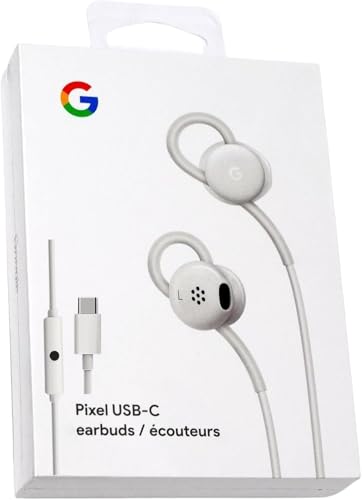
Brand: Google. Features: In‑line controls for volume and playback, wired USB‑C connection, and compatibility with many Type‑C phones. Designed for straightforward use without battery concerns. Built to be a practical everyday option with a focus on reliable inline controls and accessible mic usage for calls.
Best for: Pixel and other Type‑C phone owners who want simple, no‑fuss wired earbuds. Why selected: Clean inline control experience and direct USB‑C integration.
Caution: Sound quality may be device‑dependent; some phones may exhibit varying sound profiles.
LWZCAM USB C Earbuds (5 Pack)

Brand: LWZCAM. Features: USB‑C jack with versatile compatibility across iPads, Android devices, and USB‑C laptops. Ergonomic in‑ear design with silicone tips, and a tangle‑free cable. High‑quality stereo sound with emphasis on bass and a solid sound field for immersive listening.
Best for: Families and mixed‑device households needing a single USB‑C solution. Why selected: Pack provides multiple identical units for shared devices or replacements.
Caution: Some users may prefer smaller ear tips if their ears are very small.
MAXAUX USB‑C Wired Earbuds

Brand: MAXAUX. Features: USB‑C wired earbuds with built‑in DAC for high‑quality audio, inline controls for volume and calls, and a design aimed at all‑day wear. Emphasizes clear sound with enhanced bass and easy pairing with USB‑C devices.
Best for: Users seeking a DAC‑assisted, consistently clear sound on USB‑C devices. Why selected: The built‑in DAC can improve audio fidelity on compatible devices.
Caution: The perceived build quality may vary by unit and production batch.
MORMOQUE EP09 USB C Headphones

Brand: MORMOQUE. Features: Hi‑fi stereo sound with deep bass, built‑in mic, and noise isolation. The 4.9 ft long cord supports extended reach for listening and calls on the go.
Best for: Music lovers who want a rich, balanced sound on USB‑C devices. Why selected: Emphasizes high‑fidelity playback and effective noise isolation.
Caution: The included cable length may be longer than some users prefer for pocket use.
Buying Guide: Key Considerations For USB‑C Earbuds
What device compatibility should you verify?
- Confirm USB‑C device compatibility beyond phones, such as tablets, laptops, and smartwatches, to ensure seamless use across your ecosystem.
- Check whether the device requires additional audio routing settings to enable USB sound input/output.
What features matter most for your use case?
- Inline controls and microphone are essential for calls and hands‑free operation during workouts or commuting.
- Noise isolation helps concentrate in loud environments; consider the earbud tip design and fit for your ears.
- Built‑in DAC or high‑quality drivers can improve audio fidelity on compatible devices.
What about fit and durability?
- Look for multiple ear tip sizes and ergonomic shapes to ensure comfort during long listening sessions.
- Consider cord quality and reinforcement if you plan to use earbuds during travel or exercise.
Should you prioritize price or audio performance?
- For frequent travelers or students, a cheaper, durable model can be ideal. For audiophiles, models featuring DACs and dual drivers may justify a higher investment.
FAQ
- Do USB‑C earbuds work with iPhones?
- Can I use USB‑C earbuds with a laptop?
- Will all USB‑C earbuds block noise?
- Do they require drivers or software?
- What should I do if there’s no sound?
- Are there concerns about durability with multiple packs?
Yes, some USB‑C earbuds are designed to connect with iPhones that support USB‑C accessories, especially newer models that include USB‑C ports.
Yes. Many USB‑C earbuds are compatible with USB‑C laptops via direct connection or through a USB port with USB audio routing enabled if required.
Most provide some noise isolation, but the level varies by ear tip design and seal. Passive isolation depends on fit more than active cancellation.
Typically no. Most USB‑C earbuds are plug‑and‑play and rely on device audio drivers rather than separate apps.
Check the device’s audio output settings and ensure USB is selected as the input/output device. Some devices may need Developer Options adjustments.
Bulk packs are convenient, but inspect each unit for build quality and consider a warranty or return policy if available.