Best Earphones for Hard of Hearing: Clear Sound Solutions for Seniors
Answering the search for reliable, easy-to-use earphones for hard of hearing adults, this guide highlights five top options designed to improve TV listening, conversations, and everyday audio. These devices are geared toward seniors and anyone with hearing difficulty who values amplified, clearer sound without cranking up the TV volume. Each pick includes who it’s best for, why it’s selected, and a practical caveat to consider.
| Product | Best For | Why It Stands Out |
|---|---|---|
| Mutbam Wireless Headphones for TV | Seniors who want TV dialogue clarity | Factory-paired base, wide compatibility, independent volume control |
| Ortizan Open Ear Headphones | Active individuals needing open-ear comfort | Open-ear design, lightweight, IPX6 waterproof for workouts |
| SHOKZ OpenMove | Active users prioritizing safety and awareness | Bone conduction, open-ear, rugged and sweat-resistant |
| LapEasy Hearing Aids for Seniors | Amplified hearing in daily listening | Rechargeable, noise reduction, adjustable volume |
| WallarGe Neckband Amplifier | Conversation and TV watching at home | Built-in mic, dual-side volume, long battery life |
Mutbam Wireless Headphones for TV
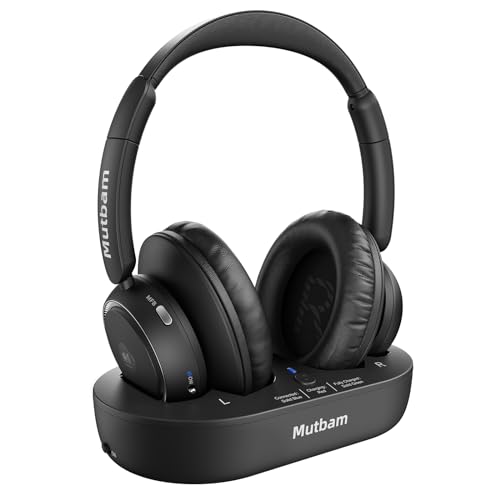
Best for seniors who want a simple TV listening setup with independent volume control. Mutbam’s system ships with a charging dock and a base transmitter that’s already paired, so setup is quick. The design emphasizes clear dialogue and reduces the need to increase room volume. It’s particularly suited for viewers who rely on clearer speech when watching broadcasts or streaming services.
- One-time setup with charging dock
- Wide TV compatibility via Optical, RCA, AUX, and Bluetooth
- Clear dialogue with independent headset volume
Caution: The system relies on the base being connected to the TV; wireless range can vary by room layout and interference. Best used in a single living area where the TV is near the headset base.
Ortizan Open Ear Headphones

Best for active users who want comfortable open-ear listening during workouts or daily activities. Ortizan uses air conduction technology to deliver sound toward the ear canal without plugging the ear, reducing fatigue over long listening sessions. Its lightweight build and IPX6 waterproof rating make it well-suited for running and cycling.
- Open-ear design with air conduction
- Lightweight at about 19 grams
- IPX6 waterproof and sweatproof
Caution: Open-ear designs may not deliver deep bass for bass-focused music and can allow more ambient sound than in-ear models. Best for situational awareness during activities.
SHOKZ OpenMove
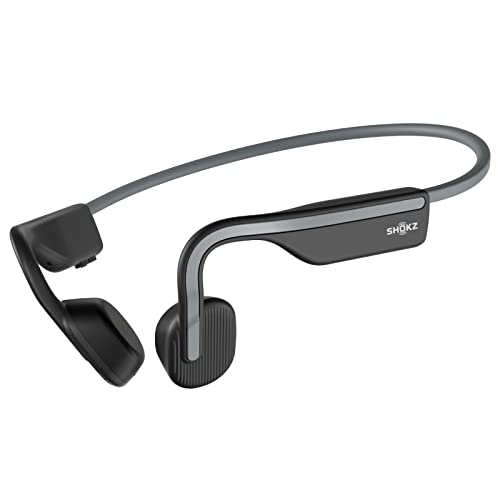
Best for safety-minded listeners who want to stay aware of surroundings during activities. SHOKZ OpenMove uses bone conduction to transmit sound through cheekbones, keeping ears open to ambient noise. Its lightweight titanium frame and sweat resistance support comfortable, long wear during workouts or daily errands.
- Open-ear bone conduction design
- Secure fit with wraparound frame
- Sweat-resistant and suitable for workouts
Caution: Some users report less bass intensity and a different fit feel; may take time to adapt if upgrading from traditional in-ear headphones.
LapEasy Hearing Aids for Seniors

Best for individuals seeking rechargeable, adjustable volume and reliable noise reduction. LapEasy emphasizes a straightforward interface, comfortable wear, and a high-quality listening experience with space for varied listening environments. It is suited for daily conversations and general TV listening.
- Rechargeable design with volume control
- Double noise reduction to improve clarity
- Comfortable, lightweight shell
Caution: No device is perfect in all environments; in very noisy rooms, additional background noise reduction features may be helpful but not guaranteed in every scenario.
WallarGe Neckband Amplifier

Best for conversations and TV watching in a single home setup. WallarGe combines a neckband design with personal amplification and a built-in mic, enabling easy adjustment for different listening scenarios. Long battery life supports extended daily use, with fast charging for quick top-ups.
- Built-in mic for clearer conversations
- Individual volume controls on both sides
- 35+ hours of use per charge
Caution: The neckband can sit around the neck in a way that some users find less discreet; consider wearing under clothing or choosing a more compact option if concealment matters.
Buying Guide: Key Purchase Considerations
- Usage scenario: TV watching, walking, or talking in crowds. If TV dialogue is the priority, look for models with strong speech clarity and a reliable base transmitter. For on-the-go listening, open-ear or bone conduction designs may offer safer, more comfortable options.
- Connection type: USB-C, analog, Bluetooth, or specialized transmitters. Choose a setup that matches your TV or device inputs and minimizes pairing steps.
- Sound amplification vs. hearing protection: Some devices amplify all ambient sound, while others focus on voice clarity. Consider devices offering adjustable amplification and noise reduction to reduce fatigue.
- Comfort and fit: Ear canal pressure can cause fatigue. Open-ear and neckband designs typically offer longer wear times with lower occlusion.
- Battery life and charging: Long-use devices reduce the need for frequent recharging. Check recharge time and per-charge usage estimates.
- Safety and awareness: Open-ear and bone conduction options keep ears open to environmental sounds, which may be important for outdoor activities or caregivers’ awareness.
Frequently Asked Questions
- What is the best earphone type for hearing loss when watching TV? – For clear dialog without raising the TV volume, wireless TV headphones with a stable base and independent headset volume are often most effective.
- Are open-ear headphones good for hearing impairment? – They can be comfortable and safer for awareness, but they may not deliver deep bass or very high fidelity for all listeners.
- Do these devices require professional fitting? – Most consumer options are plug-and-play with straightforward controls and do not require professional fitting.
- Can these devices work with non-smart TVs? – Yes, if the TV has compatible outputs (optical, RCA, AUX); some models also support Bluetooth streaming from TVs with built-in Bluetooth.
- How long do battery charges typically last? – Rechargeable models vary, but many offer 30–50 hours on a full charge depending on usage and features.
- Is there a risk of feedback or noise? – Some devices feature noise reduction and feedback suppression, but occasional background noise may occur depending on environment and fit.