Best Easy-to-Use Drum Machines for Musicians
The best easy-to-use drum machines deliver instant rhythm for practice, live looping, and songwriting. This guide highlights five beginner- and performance-friendly options, detailing who each one suits best and why it stands out. Perfect for guitarists, producers, DJs, and solo performers looking for hands-free control, tight timing, or a studio-ready beat with minimal setup.
| Product | Best For | Why It Stands Out |
|---|---|---|
| Alesis SR-16 | Songwriters and performers seeking a studio-grade, standalone unit | Iconic, fully standalone with 233 sounds and built-in effects; strong MIDI integration |
| BeatBuddy 10th Anniversary Edition | Live players who want hands-free control | Pedal-format drum machine with live foot control and a large sound library |
| BeatBuddy 2 | Guitarists and solo performers who want real-time control | Expanded library, HD drum kits, and Beat Boutique content |
| Stylophone Beat | Compact setup and casual creators | Small, portable rhythm machine with bass options and easy layering |
| BeatBuddy MINI 2 | Hands-free rhythm for guitarists and live looping | Hands-free operation with fills, transitions, and loyal Beat Buddy workflow |
BeatBuddy 10th Anniversary Edition — Singular Sound

Brand: Singular Sound
Features include Hands-Free Drumming Control, a Massive Sound Library with 200+ songs across 24 genres and 10 drum kits, and Studio-Quality Sound with an analog feel. This pedal-format drum machine is designed for real-time live control with foot pedals, making it ideal for guitarists, solo performers, and live looping setups.
Best for: Musicians who want hands-free, real-time beat control during performances and easy content expansion. It’s especially suitable for players who perform while looping or layering sounds in a live setting.
Caution: Foot-control operation requires some practice to reach seamless transitions during a performance.
Alesis SR-16 — Studio-Grade Standalone Drum Machine
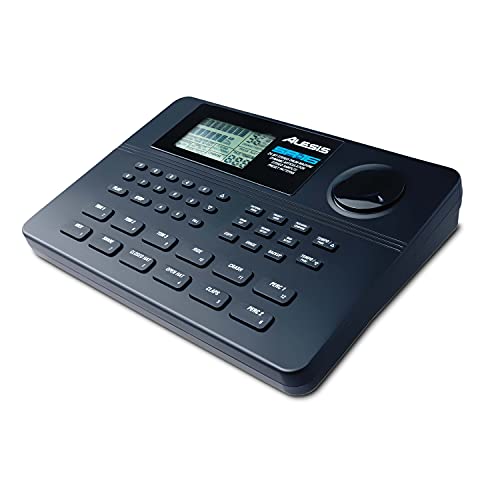
Brand: Alesis
Features include a Studio Icon reputation with 233 professional sounds, built-in digital effects for added realism, and seamless MIDI connectivity for integration with keyboards, computers, DAWs, and electronic drum kits.
Best for: Songwriters and performers who need a robust, standalone unit with a rich sound library and easy MIDI integration for broader production workflows.
Caution: A larger library can be overwhelming for absolute beginners; consider starting with essential kits and building up.
BeatBuddy 2 — Advanced Drum Machine Pedal

Brand: Singular Sound
Features include Hands-Free Drumming Control, a larger Sound Library with 200+ songs across 23 genres and 13 HD drum kits, and the ability to store up to 3.2 million songs and 320 drum sets. Content can be downloaded from Beat Boutique and customized via BeatBuddy Manager Online.
Best for: Players who want a richer, more expansive Beat Buddy experience with more genres and higher-capacity content management for live performance or studio use.
Caution: More features mean a steeper initial learning curve; take time to explore library organization and workflow.
Stylophone Beat — Compact Rhythm Machine

Brand: Stylophone
Features include 4 drum kits, 4 bass sounds, and a compact design with tempo lock and a click track to stay in time. It supports recording multiple layers and is powered by batteries for portable use.
Best for: Beginners or mobile creators seeking a tiny, affordable rhythm machine with straightforward layering and portability.
Caution: Limited sound variety may not satisfy advanced producers; it’s best as a quick idea generator or practice tool.
BeatBuddy MINI 2 — Hands-Free Drum Machine Pedal

Brand: Singular Sound
Features include Hands-Free Drum Machine in a compact pedal, 200 songs spanning multiple genres, and an oversized footswitch for easy live control while playing. It supports fills, transitions, and intros/outros controlled while you perform.
Best for: Guitarists and solo performers who want a micro pedal-sized drum machine that can be controlled hands-free during live performance.
Caution: Smaller form factor may feel cramped for some users; ensure pedal placement is comfortable for foot activation during gigs.
Buying Guide: Easy-To-Use Drum Machines
- Purpose and setting: Choose a device based on whether you need stage-ready live control or studio-friendly sequencing. Pedal-based options excel in live performance, while standalone units work well in studio setups.
- Library depth vs. ease of use: A larger library is great for variety, but a simpler interface speeds up learning and performance. Start with a core set of patterns and expand later.
- Input/output and integrations: Look for MIDI, USB, and audio I/O compatibility if you plan to sync with keyboards, DAWs, or other gear. Consider whether you want built-in effects or external processing.
- Portability and power: Portable devices benefit touring players and small studios. Battery-powered options increase flexibility for on-the-go production.
- User interface: Foot controls and large switches are helpful for hands-free operation. Ensure buttons and menus are intuitive for quick changes during performances.
Frequently Asked Questions
- What makes a drum machine easiest to use for beginners?
- Should I choose a standalone drum machine or a pedal-based one?
- Do drum machines include content for different genres?
- Can these devices work with a computer or DAW?
- Are there any cautions when starting with a drum machine?
- Which device is best for live guitar players?
Easiest-to-use options typically feature straightforward interfaces, preset song patterns, and minimal setup. Pedal-based devices allow hands-free live control, reducing on-the-fly setup time.
Standalone units are often better for studio use, while pedal-based devices excel in live performance due to real-time control and portability.
Many models offer dozens to hundreds of patterns across multiple genres, with some allowing content downloads for ongoing expansion.
Yes, many models provide MIDI or USB connectivity, enabling integration with keyboards, DAWs, or electronic drum kits for sequencing and synchronization.
Begin with the default patterns, gradually explore features, and avoid overloading device memory with too many customizations at once.
BeatBuddy and BeatBuddy MINI 2 are designed for hands-free live control, making them strong choices for guitarists who want to add rhythm without using hands.