
Best Easy to Use Multi Effects Pedal for Guitarists
Looking for an easy-to-use multi-effects pedal that covers a wide tonal range? This guide highlights five beginner-friendly and versatile options ideal for practice, recording, and live performance. Best for players who want quick tone options, intuitive menus, and reliable presets without a steep learning curve. The top picks cater to electric guitar, bass, and acoustic sim needs while offering robust editing and integration capabilities.
Summary Table of Selected Products
| Product | Best For | Key Benefit | Approx. Channel/Presets |
|---|---|---|---|
| SONICAKE QME-20 Smart Box | Electric, Bass, Acoustic simulations | 130+ effects, NAM/IR loading | 100 presets |
| Zoom G1X Four | Practice, songwriting, live loops | Loops, drum patterns, amp models | 71 effects, 13 amp models |
| LEKATO Multi Effects Pedal | All-around studio and stage | IR loading, 9 amp models | Multiple presets |
| Flatsons KMF-1 | Compact board with rich tone | 77 effects, 8 effect modules | 50 presets |
| SORAN Dual Stomp | Live performance with expression control | 125 effects, dual-mode pedal | 99 presets |
SONICAKE QME-20 Smart Box – Multi Effects Pedal

Type: Multi-effects processor for guitar, bass, and acoustic simulations. Features include 9 simultaneous effect modules, over 130 effects, and 100 preset slots. Advanced tone customization uses proprietary white-box digital modeling and supports third-party NAM and cabinet IR files. Connectivity includes a PC/Mac manager and a mobile app for deep editing, preset management, and IR/NAM uploads. USB audio interface functionality with loopback and re-amp support makes it versatile for home studios.
Best for: Players seeking a broad tonal palette with extensive IR/NAM flexibility and robust software integration. Why chosen: Its large effects library and flexible preset management suit versatile gigging and studio work. Caution: The setup may feel complex for absolute beginners; start with built-in presets to learn the signal chain.
Zoom G1X Four Guitar Multi-Effects Processor

Type: Compact practice and performance unit with 71 effects and 13 amp models. Features a 30-second looper for real-time layering and a full backing band with 68 built-in rhythm patterns. This makes it ideal for practice, songwriting, and live mini-sets.
Best for: Players who want quick access to loops and rhythm backing while exploring diverse tones. Why chosen: Real-time looping and built-in rhythms simplify practice and on-the-fly arrangement. Caution: Fewer advanced editing options for deep tone sculpting compared with larger multi-effects units.
LEKATO Multi Effects Pedal with IR Loading

Type: 9 amp models, 8 IR cabinets, and 77 classic effects across multiple modules. Supports importing third-party IR files via USB and offers preset/edit/live modes with 3 user slots. Includes tuner, looper, and drum rhythms for creative performance.
Best for: Players who want strong IR loading and flexible live editing. Why chosen: Combines a wide cabinet and amp model suite with easy preset management. Caution: User interface relies on PC software for full setup; may require initial software install.
Flatsons KMF-1 Multi-Effects Guitar Pedal
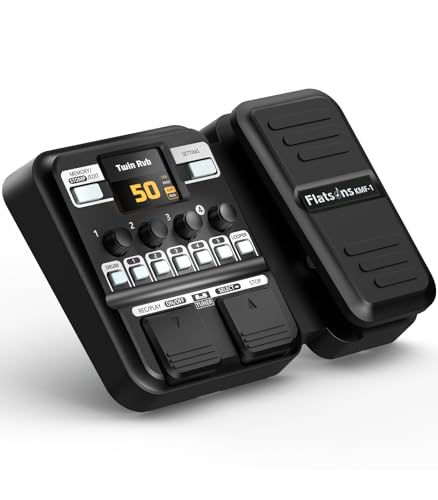
Type: 77 effects across 8 modules including amp, cabinet, drive, modulation, delay, dynamics, reverb, and filter. Features 18 amp models and 18 cabinet simulators, 50 preset patches, a built-in tuner, 30-second looper, 42 drum rhythms, and AUX in for playing along with tracks. DSP uses TSAC for precise analog-like cabinet simulation and 32-bit processing.
Best for: Beginners who want a feature-rich starter with plenty of tones. Why chosen: Large effect set and easy preset switching support quick tone changes on stage. Caution: The sheer number of options can be overwhelming for new players; start with preset modes first.
SORAN Dual Stomp Multi Effects Pedal

Type: 125 effects, 99 presets, and 11 simultaneous effect modules per preset. Features a dual-mode expression pedal offering wah and volume control, and a high-precision DSM technology with ASIO-enabled USB audio interface for studio or stage use. Compatible with smartphones for recording and streaming.
Best for: Musicians who need expressive control and robust live versatility. Why chosen: The dual-mode pedal and DSM tech deliver flexible performance dynamics. Caution: Larger footprint and power considerations may matter on smaller pedalboards.
Buying Guide
What should you consider when choosing an easy-to-use multi-effects pedal?
- Ease of use: Look for intuitive interfaces, clear menus, and logical signal chains. A large screen or good software editor helps.
- Tone flexibility: Check the number of amp models, cabinet simulations, and effects categories. More options support versatile genres.
- Presets and editing: Ensure there are ample factory presets and a straightforward method to edit, save, and recall presets.
- Connectivity: USB audio interface, loopback, re-amp, and Bluetooth or app-based editing can simplify home studio workflows.
- Portability vs. performance: Compact units are easier for practice, but larger units may offer deeper tone control and more effects.
- IR/NAM support: Cabinet impulse responses and NAM models expand tone possibilities, especially for electric and bass players.
Frequently Asked Questions
- What is an easy-to-use multi-effects pedal best for beginners?
Pedals with large preset libraries, simple navigation, and built-in tutors or guides are best for beginners. The Zoom G1X Four and LEKATO models exemplify accessible entry points.
- Do multi-effects pedals include loopers?
Many do, including built-in loops that help with practice and songwriting. Check product specs for loop duration and polyphony.
- Can I load third-party impulses into these pedals?
Several models support third-party IR/NAM files via USB, expanding cabinet and amp simulations. Confirm compatibility before purchase.
- Are built-in rhythms useful for live performances?
Yes, built-in drum patterns and backing tracks help with timing and practice. For live gigs, assess how easily you can switch patterns on the fly.
- Which pedal is best for on-board tone customization?
Pedals with advanced editors and NAM/IR loading provide deeper tone sculpting, such as the SONICAKE QME-20 and LEKATO units.
- Is portability important for a multi-effects pedal?
If you travel or perform live, consider a compact unit with good battery life or low power requirements.