
Best Empty Speaker Cabinets for Speaker Building: Top Picks for DIY Audio Projects
Looking for empty speaker cabinets to build your own speakers? This guide highlights five ready-to-use enclosures that suit common DIY projects. Whether you’re chasing richer bass, better midrange, or a compact footprint for desktop setups, these cabinets offer solid foundations. Each option targets a specific builder type—from hobbyists assembling a first bookshelf system to seasoned tinkerers perfecting a car or studio setup. Read on to compare construction, intended use, and who benefits most from each choice.
| Product | Brand | Best For | Notes |
|---|---|---|---|
| Facmogu 6.5″ Wooden Speaker Box Enclosure | Facmogu | Woodworking enthusiasts seeking natural acoustics | Solid Brazilian pine, finish-friendly |
| American Sound Connection 1X12 Empty Cabinet | American Sound Connection | Guitarists needing flexible 12″ tone | 1X12 design, easy head/combo integration |
| Goldwood TR12F 12″ Single Truck Box | Goldwood Sound | Vehicle audio projects needing compact fit | Car-grade MDF, ready-to-mount |
| Facmogu 4in Solid Wood Enclosure | Facmogu | Small bookshelf or desktop builds | Solid Brazilian pine, easy finish |
| Cryfokt Bookshelf Enclosure | Cryfokt | Compact, budget-friendly DIY enclosures | ABS plastic, ventilated and hardware included |
The following sections present detailed profiles of each cabinet, with practical guidance on who should choose them, why they were selected, and any notable limitations to consider during planning. A buying guide and FAQ follow the product profiles to support decision-making for diverse DIY needs.
Facmogu 6.5″ Wooden Speaker Box Enclosure

Best for wooden cabinet lovers seeking natural resonance. This 6.5″ enclosure uses solid Brazilian pine and aims to improve overall speaker performance by leveraging the inherent acoustics of wood. It’s easy to finish with a clear coat or tinted stain to fit your decor. Caution: wooden burrs can occur, so smooth finishing is recommended before final assembly. Best for DIY projects that prioritize traditional wood aesthetics and a warm tonal character.
Who it’s for: hobbyists building a wood-centric speaker with an emphasis on vibrations and warmth. Why selected: wood is naturally resonant, offering a robust foundation for a custom woofer-tweeter blend. Limitation: requires careful finishing and sealing to prevent moisture exposure in humid spaces.
American Sound Connection 1X12 Empty Cabinet
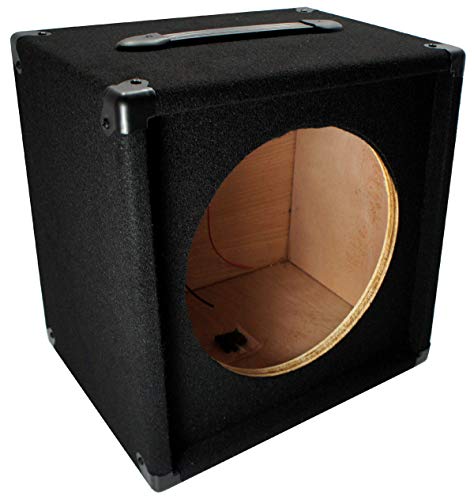
Best for versatile guitar-amp setups. The ASC SC12E is designed around a 1X12 configuration, enabling flexible speaker choices for dialing in tone. It includes a 1/4″ input for easy connection to an amp head or combo. Caution: assembly quality and finish will influence stage reliability; verify mounting points align with your chosen 12″ driver.
Who it’s for: guitarists and home studio builders who want a reliable, adaptable enclosure for a 12″ speaker. Why selected: straightforward 1X12 format supports a wide range of tones. Limitation: may require additional bracing or damping for extreme low-end reinforcement.
Goldwood TR12F 12″ Single Truck Box

Best for automotive applications where space is a constraint. The TR12F is a sealed 12″ car woofer enclosure built from CARB-compliant MDF with a compact, truck-box style. It’s ready to mount and includes a slim profile with a front-loading woofer hole of 11″ and 6.375″ mounting depth. Caution: vehicle-specific mounting considerations and driver compatibility should be checked before purchase.
Who it’s for: DIY car audio enthusiasts needing a ready-to-go sealed enclosure. Why selected: compact, robust construction suitable for trunk or under-seat installations. Limitation: not designed for ceiling or wall mounting in a room-only setup.
Facmogu 4in Solid Wood Speaker Enclosure
Best for compact desktop or bookshelf builds that crave natural wood tone. The 4″ solid Brazilian pine enclosure offers the same wood-based sonic benefits as larger Facmogu boxes. It’s easy to finish and customize with paints or stains. Caution: smaller enclosures may limit bass extension compared to larger boxes, depending on driver and tuning.
Who it’s for: small-room setups or budget-conscious builders needing a solid wood aesthetic. Why selected: consistent wood resonance in a compact form. Limitation: may require a tuned port or bracing to maximize bass in very small cabinets.
Cryfokt Bookshelf Enclosure

Best for budget-conscious DIYers needing a practical, compact cabinet. The Cryfokt enclosure uses ABS plastic with an iron mesh cover and wiring clamps, designed for easy mounting and space-saving placement. Caution: ABS plastic may yield different acoustic results than wood, affecting warmth and resonance. Suitable for wall-mount or desktop use where space is at a premium.
Who it’s for: beginners or builders prioritizing a quick, affordable project. Why selected: complete hardware kit and compact footprint. Limitation: plastic construction may not deliver the same tonal warmth as wood in larger speaker designs.
Buying Guide
What size should I pick for my cabinet?
Consider driver size, enclosure type (sealed vs ported), and available space. Larger enclosures typically extend bass, while smaller boxes fit compact rooms but may require tuning to avoid overly bright or boomy sound.
Wood vs. MDF vs. plastic—how does material affect sound?
Wood cabinets can provide natural resonance and a warmer character, while MDF offers consistent density and predictability. ABS or other plastics are practical and affordable but may sound lighter or less resonant. Selection depends on your tone goals, budget, and finishing plan.
Sealed vs. ported: which design is right?
Sealed enclosures tend to produce tighter, more accurate bass, suitable for balanced midrange response. Ported designs extend bass extension but require careful tuning to avoid boominess. Choose based on your preferred bass quality and the driver pairing.
How important is cabinet bracing and damping?
Proper bracing reduces panel resonance and cabinet flex, improving clarity. Damping materials can control internal reflections. This matters most for midrange clarity and to prevent rattling in larger boxes.
What mounting considerations matter for DIY builds?
Check driver mounting depth, screw patterns, and terminal cup compatibility. Ensure the enclosure has appropriate cutouts and internal space for wiring and heat management if using high-power amps.
FAQs
- What is the easiest cabinet for a first DIY speaker project? A small ABS or wood enclosure with straightforward mounting hardware is best for beginners, since it minimizes complexity while still enabling customization.
- Do wooden cabinets require finishing before use? Finishing helps protect the wood and can enhance aesthetic appeal. A clear coat or stain is common for wooden enclosures.
- Can I mix a 12″ driver with a 6.5″ cabinet? Typically not ideal; drivers must match the enclosure size and tuning to maintain proper acoustic performance.
- Is a ported enclosure better for bass-heavy music? Ported enclosures can boost bass extension, but require careful tuning to avoid unwanted resonance.
- Should I choose a carpeted vs. bare enclosure? Carpeted exterior helps with aesthetics and can reduce vibration on some surfaces, but it’s mainly a cosmetic choice that does not drastically change sound.
- Are these enclosures suitable for professional studio use? Some are designed for studio or practice settings, but verify driver compatibility and build quality for high-demand environments.