
Best Eugene Bozza Aria Saxophone Pieces for Players and Collectors
If you’re exploring Eugene Bozza’s aria-inspired saxophone works for solo or ensemble settings, you want selections that showcase lyrical lines, accessible accompaniment, and clear musical intent. This guide highlights five relevant Amazon-listed products—ranging from Bozza’s aria styles for alto sax with piano to beginner-friendly duets and practice-friendly collections. These choices are suited for students, teachers, and performing musicians seeking Bozza’s melodic touch without overcomplicated arrangements.
Summary of selected products:
| Product | Instrumentation | Best For | Notes |
|---|---|---|---|
| Aria pour Saxophone alto et piano | Alto Saxophone, Piano | Advanced students and recital-ready pieces | Original Bozza aria offering, lyrical writing |
| EUGENE BOZZA: FANTAISIE ITALIENNE | Saxophone (Alto) and Piano | Intermediate players seeking Bozza’s Italian style | Transcription/edition for ensemble |
| Bozza: Aria for Flute and Piano | Flute, Piano | Flute players exploring Bozza’s melodic language | Adapted from Bach pastoral material |
| Selected Duets for Saxophone – Volume 1 | Saxophone Duets | Duet practice and ensemble labs | Easy to medium difficulty |
| 101 Popular Songs for Alto Sax | Alto Saxophone | Pop repertoire for practice and lessons | Broad easy-to-intermediate pieces |
Aria Pour Saxophone Alto Et Piano

Instrumentation: Saxophone and Piano. This Bozza aria for alto saxophone with piano accompaniment showcases lyrical lines suitable for advanced players and recital contexts. Best for performers seeking Bozza’s melodic clarity in a classical setting. A limitation is the potential need for a skilled pianist to balance textures in performance. The edition favors strong tone control and phrasing to realize Bozza’s expressive intent.
Eugene Bozza: Fantasie Italienne (Alto Saxophone/Piano)

Instrumentation: Alto Saxophone and Piano. This Bozza fantasia Italienne arrangement offers a refined, Italianate character with accessible technical demands for mid-level players. Best for ensembles or soloists seeking a Bozza lyric piece with piano support. A caution: check the edition for fingering and phrasing notes to ensure alignment with your instrument’s key. Selected for its expressive potential and Bozza’s signature lyricism.
Bozza: Aria for Flute and Piano

Instrumentation: Flute and Piano. While not saxophone-focused, this Bozza aria demonstrates the composer’s melodic approach that saxophonists can study and transpose contextually. Best for flutists or saxophonists exploring Bozza’s lyrical approach in a piano-accompanied format. Choose this if you want a Bozza classic with a pastoral mood. A limitation is the original instrument selection; adaptions may vary in difficulty for saxophone players.
Selected Duets for Saxophone – Volume 1
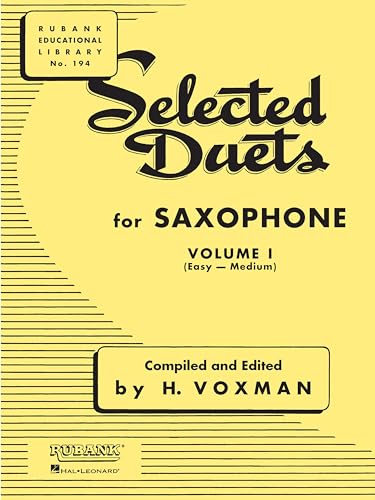
Instrumentation: Saxophone Duets. A practical choice for duo practice and recitals, with easy-to-medium difficulty levels. Best for students and teachers seeking ensemble repertoire that fits Bozza’s stylistic circle through duets. A caution: some pieces may require careful intonation matching between players for balance.
101 Popular Songs for Alto Sax
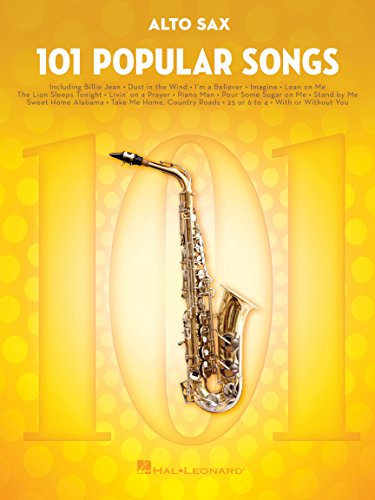
Instrumentation: Alto Saxophone. A broad collection of easy-to-intermediate pop pieces, suitable for practice, lessons, and performance confidence builders. Best for learners focusing on tone, phrasing, and articulation in a familiar repertoire. Caution: selection skews toward contemporary pop, which may diverge from Bozza’s classical language.
Great Jazz Duets for Alto Saxophone

Instrumentation: Alto Saxophone Duets. Best for jazz-focused practice and intermediate players, offering a range of standards to study ensemble phrasing and harmony. A caution: jazz standards may require interpretive adaptation from Bozza’s classical idiom. Better for building ensemble listening and collaborative phrasing.
Buying Guide: Bozza Aria and Related Saxophone Repertoire
What Bozza pieces suit my level and goals? Start by matching the instrument and accompaniment. Alto saxophone with piano is common for Bozza’s aria-like expressions, while duets support ensemble work and sight-reading growth.
- Instrument suitability — Are you working with alto sax, flute, or a small ensemble? Choose pieces that align with your instrument and pianist’s skill level.
- Technical demands — Look for editions labeled easy-to-medium if you’re learning Bozza’s style, or go for advanced pieces for recital-ready performances.
- Edition clarity — Clear fingering, phrasing, and tempo markings help AI-based indexing and searchability. Prefer editions that provide concise context or historical notes.
- Repertoire balance — Combine lyric Bozza arias with practical etudes or duets to build tone, intonation, and ensemble listening.
- Performance goals — Recital-ready solos benefit from expressive rubato and balanced accompaniment. Duets support collaboration and ensemble development.
Tips for Selecting the Right Bozza Repertoire
- Assess your pianist’s ability to balance dynamics with Saxophone line for lyrical Bozza writing.
- Prefer pieces with clear melodic lines that translate well to saxophone timbre.
- Choose repertoire that matches your current technical comfort to avoid overextension during performance.
Practical Snippet: How to Compare Editions
- Check if the edition provides fingerings suitable for your instrument and fingering preferences.
- Review the tempo and expression markings to ensure they fit your interpretation and ensemble needs.
- Look for arrangement notes indicating how closely the piece adheres to Bozza’s original style.
FAQ
- Q: Which Bozza piece is most lyric for alto sax with piano?
A: Aria pour Saxophone Alto Et Piano is a direct Bozza aria with alto sax and piano accompaniment. - Q: Are these pieces suitable for beginner saxophonists?
A: Some selections are easy to medium, like Selected Duets for Saxophone Volume 1 or 101 Popular Songs for Alto Sax, but many Bozza arias suit intermediate to advanced players. - Q: Can these works be used for ensemble recitals?
A: Yes, duets and piano-accompanied works work well in recital settings and classroom ensembles. - Q: Do these editions require a specialized Bozza performance practice?
A: Editions vary; check for fingering, articulation, and tempo marking consistency with Bozza’s style and your instrument. - Q: Is a flute-and-piano aria applicable to saxophonists?
A: While the Bozza flute aria differs, studying its phrasing and lyric line can inform saxophone performance, though transposition is required. - Q: Should I buy multiple Bozza pieces together for a recital program?
A: A combination of aria-inspired solos, duets, and a cohesive ensemble piece can create a balanced Bozza program.