
Best Floor Standing Surround Speakers for Home Theater
Answer: For comprehensive, room-filling sound from floor-standing units, choose models designed for immersive cinema and music. This guide highlights five top options ideal for different rooms and budgets, plus quick buying tips. The best-suited buyers include: home theater enthusiasts seeking bold bass and clear highs, small-to-medium rooms needing even coverage, audiophiles chasing precise midrange, and setups that favor easy placement and compatibility with common receivers.
Summary of chosen products
| Product | Brand | Best For | Key Benefit |
|---|---|---|---|
| Polk Audio T50 | Polk Audio | Balanced home theater in medium rooms | Warm, room-filling sound with dual bass radiators |
| Dayton Audio Classic T65 | Dayton Audio | Dynamic, punchy bass in larger rooms | Large bass reflex cabinet for deep lows |
| SVS Prime Tower | SVS | Audiophile-grade two-channel or surround setup | Precision midrange and strong low end |
| Sony SS-CS3 | Sony | Solid all-around value for surround systems | Three-way design with detailed highs |
| Elimavi Floor Standing Pair (Brown) | Elimavi | Budget-friendly room-filling sound | Dual 6.5″ woofers and silk dome tweeter |
Polk Audio T50 Home Theater Floor Standing Tower Speaker

The Polk T50 is a full-range tower designed to deliver a bold, warm sound with a focus on a robust low end. It features a 1″ tweeter, a 6.5″ Dynamic Balance driver, and dual 6.5″ bass radiators to extend bass response into the listening area. This makes it a strong pick for medium-to-large rooms where an engaging cinema experience is desired. Best for: households wanting cinema-like impact without a separate subwoofer. Caution: performance can be room-dependent; placement near walls may enhance bass but could muddy imaging in very small spaces.
Dayton Audio Classic T65 Floor-Standing Tower Pair

The Dayton Audio Classic T65 towers offer a tall cabinet with a bass-reflex design and dual 6.5″ drivers for punchy, room-filling bass. The silk dome 1″ tweeter complements the high frequencies for smooth, non-fatiguing listening. Best for: listeners who want a dynamic home theater experience with wide coverage. Caution: the large cabinet may dominate smaller rooms; ensure adequate space for optimal imaging.
SVS Prime Tower Speakers
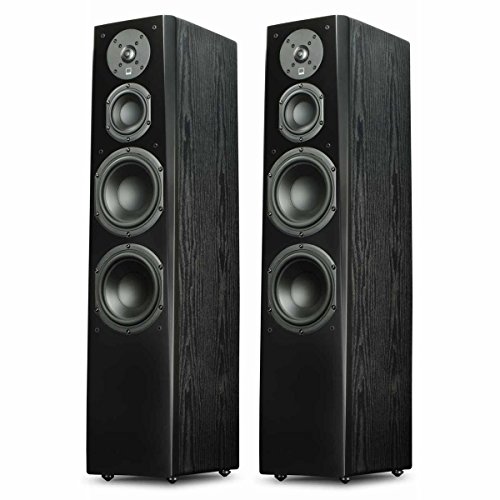
The SVS Prime Tower is positioned as a reference-grade option with two 6.5″ woofers and a 4.5″ midrange arrangement, plus a 1″ aluminum dome tweeter. It aims for pinpoint accuracy, balanced tonality, and deep, articulate bass. Best for: audiophiles and home theater setups seeking high fidelity and generous low-end presence. Caution: premium performance may require a capable amplifier and careful room placement to avoid bass overload in small spaces.
Sony SS-CS3 3-Way Floor-Standing Speakers
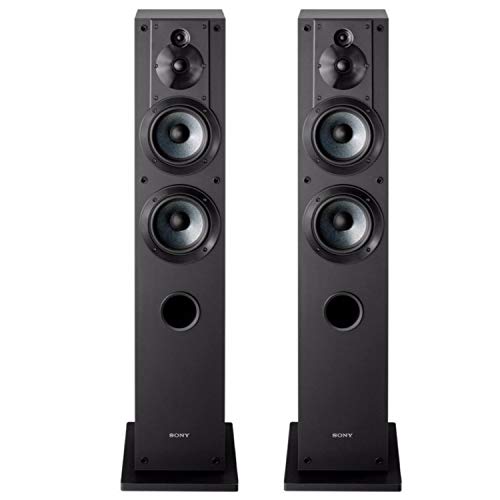
Sony’s SS-CS3 uses a 3-way design with a main 1″ tweeter, a ¾” super tweeter, and a 6 Ohm impedance for robust power handling. This setup supports clear highs and a broad soundstage, suitable for budget-conscious setups that still demand solid performance. Best for: entry-level to mid-range home theater or stereo systems wanting reliable, all-around sound. Caution: not optimized for ultra-low bass; a subwoofer or bass-aware integration helps in movie scenes.
Elimavi Floor Standing Tower Speakers Pair (Black)

The Elimavi black-tinish tower pair delivers 120 W RMS with dual 6.5″ woofers and a 1″ silk dome tweeter. The two-way crossover design provides a broad, even frequency response, and a dense MDF cabinet helps minimize coloration. Best for: budget-minded buyers seeking strong room-filling sound without breaking the bank. Caution: appearance and finish may be important for room aesthetics; verify color match before purchase.
Buying Guide
- Room size and listening preferences: For larger rooms, prioritize floor-standing models with strong bass and wide dispersion. Smaller spaces may benefit from models with more controlled low-end or a strategic placement plan.
- Speaker configuration: Decide between a traditional two-way, three-way, or higher-order design. Three-way options often yield clearer highs and mids with less driver strain at high volumes.
- Bass and cabinet design: Look for bass-reflex ports or radiators that align with your room. Large enclosures typically require more space but deliver deeper bass.
- Amplification needs: Ensure your receiver or amp provides enough power and stability for the chosen tower’s impedance and sensitivity. Some towers perform best with 60–150 W per channel.
- Placement considerations: Floor-standing speakers perform best when centered in a listening triangle. Avoid corners that cause bass boomy-ness unless you want more thump.
- Compatibility and mounting: Check for compatibility with stands, wall-mount adapters, and any brand-specific crossover considerations to prevent phase issues.
Quick buyer questions
- What makes a floor-standing speaker better for home theater than bookshelf models? Floor-standing speakers generally offer stronger bass, higher efficiency, and broader coverage, which helps fill larger rooms with sound.
- Do I need a subwoofer with floor-standing towers? Not always, but many towers include good bass performance. A subwoofer can enhance movie action or music with deep, controlled bass responses.
- How important is the cabinet material? A dense MDF or similar cabinet reduces unwanted resonance, resulting in cleaner, more accurate sound across frequencies.
- What’s the best setup for best imaging? Place the speakers at ear level in a triangular arrangement with the listening seat, and keep side walls from reflecting excessive sound by using acoustic treatments if needed.
- Should I prioritize high power handling or sensitivity? Higher power handling ensures clean, dynamic playback at loud levels, while higher sensitivity yields more output with less amplifier power. Balance based on room size and receiver capacity.
- Are three-way speakers worth the extra cost? If you value precise highs and mids with less driver interaction at high volumes, three-way designs can offer improved clarity in complex soundtracks.
Notes on selecting among the five
- The Polk T50 is ideal for medium rooms needing warm, expansive sound with solid bass support from dual radiators.
- The Dayton T65 emphasizes a tall cabinet and substantial bass capability for dynamic cinema and music scenes.
- The SVS Prime Tower targets audiophiles seeking precise midrange and a robust overall tonal balance for mixed media.
- Sony SS-CS3 provides reliable, budget-conscious three-way performance with clear highs for general use.
- Elimavi brown or black pairs offer economical room-filling sound with flexible placement. Choose based on desired finish and matching room decor.
FAQ
- Q: Can floor-standing speakers replace a separate center channel? A: For a home theater, a dedicated center channel helps dialogue clarity, but some towers with strong vocal emphasis can supplement or replace a center in smaller setups.
- Q: Is a subwoofer necessary with these speakers? A: A subwoofer enhances cinematic bass. If you primarily listen to music at moderate volumes, these towers may suffice without one.
- Q: How should I position these speakers for best soundstage? A: Place them on either side of the listening position, equidistant from the center, and angled slightly toward the listener. Maintain space from walls to avoid excessive bass buildup.
- Q: Do I need to break in new speakers? A: Most speakers benefit from a burn-in period of several hours to several dozen hours of playback at moderate levels, after which the sound tends to mellow and settle.
- Q: Which factor most affects bass performance in a room? A: Room size and shape, wall materials, and speaker placement have the greatest impact on perceived bass response and overall imaging.
- Q: Are these models compatible with most receivers? A: These speakers are designed for standard 8-ohm or similar impedance ranges common to many AV receivers; always check your receiver’s compatibility with your chosen model’s impedance.