
Best Ground-Wound Guitar Strings for Rich, Balanced Tone and Feel
Ground-wound guitar strings bring a balanced, smooth feel with clear intonation and a versatile tone. This guide highlights five top options that suit varied playing styles—from rock and blues to jazz and studio work. Each pick includes who it’s best for, why it stands out, and a practical consideration to help you decide.
| Product | Brand | Gauge/Type | Why It Stands Out |
|---|---|---|---|
| Ernie Ball Regular Slinky Nickel Wound Electric Guitar Strings 10-46 | Ernie Ball | 10-46 Nickel | Industry standard; versatile across genres |
| Ernie Ball Regular Slinky Flatwound Electric Guitar Strings 10-46 | Ernie Ball | Flatwound 10-46 | Smoother finger feel; jazz-friendly tone |
| Ernie Ball Super Slinky Nickel Wound Electric Guitar Strings 9-42 | Ernie Ball | 9-42 Nickel | Bright, snappy attack; great for backlines |
| Ernie Ball Super Slinky Flatwound Electric Guitar Strings 9-42 | Ernie Ball | Flatwound 9-42 | Warm, vintage vibe; lower finger noise |
| Stringjoy 10-48 Balanced Light Wound 3rd Signatures | Stringjoy | Balanced Light with wound 3rd | Exceptional tuning stability; warm midrange |
Ernie Ball Regular Slinky Nickel 10-46

Best for players seeking a reliable all-purpose set. The Regular Slinky 10-46 is a long-standing industry standard, favored by many genres for its balanced tension, clear articulation, and dependable intonation. Its nickel-wound construction provides a bright yet flexible tone suitable for rhythm and lead work. This option is well-suited for players who value consistency across sets and prefer a familiar string feel. A potential limitation is that players seeking a particularly bright or heavy attack might prefer lighter or heavier gauges.
Ernie Ball Super Slinky Flatwound 9-42

Best for jazz-oriented players who want a smoother, mellower finger feel and a rounder voice. Flatwound sets reduce finger noise while delivering a warm, vintage vibe. They’re a strong choice for clean tones, blues, and ballads. The trade-off is that flatwound strings can be less responsive to extremely bright, aggressive styles and may require adjustments in setup to optimize intonation for vintage-inspired tones.
Ernie Ball Super Slinky Nickel 9-42

Best for players who want a bright, tight feel with strong upper-mid presence. The 9-42 gauge set is ideal for lead work and aggressive rhythm styles, offering easy bending and a snappier attack. A limitation to consider is that lighter gauges can break more easily under heavy picking or aggressive tremolo use, so players should handle strings with care or be prepared to change more often in rigorous playing contexts.
D’Addario XL Nickel EXL110-3D Electric Guitar Strings
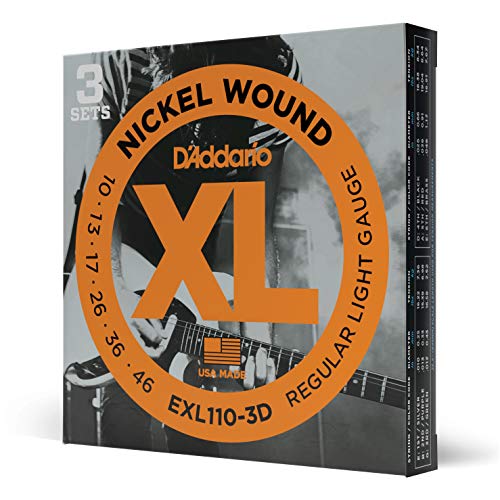
Best for players who prioritize precise intonation and a bright, versatile tone across genres. The EXL110-3D set provides a dependable Hex-Core construction for consistent feel and durability, making it a reliable choice for varied gigging styles from blues to metal. A consideration is that bright nickel tones may clash with some vintage-sounding amps or pedals, prompting players to adjust their rig for a warmer or more modern edge.
Ernie Ball Regular Slinky 10-46 3-Pack

Best for musicians who want value without compromising on the trusted Slinky feel. These three individually wrapped sets ensure freshness and consistent performance across gigs or practice sessions. The 10-46 gauge remains a staple for many players, offering a balanced mix of playability and tone. A note: bulk quantities may feel slightly stiffer for very light picking styles, so consider a lighter gauge if your style leans toward ultra-soft touch.
Buying Guide: Ground-Wound Guitar Strings And What To Consider
- Sound and feel: Flatwound versus roundwound changes tone and tactile feedback. Flatwounds tend to be warmer with reduced finger noise; roundwounds are brighter and more dynamic.
- Gauge and playing style: Lighter gauges (9-42, 9-46) are easier to play for beginners and lead players; heavier gauges (46-56 total) project more and resist bending fatigue but require more finger pressure.
- Core and wrap construction: Hex-core cores offer stable intonation and consistent tension; nickel wrap wire provides brightness and longevity. Some brands mix materials to balance warmth and clarity.
- Durability and longevity: Packaging and storage can affect string life. Look for packaging that preserves freshness, especially for frequent performers.
- Maintenance: Regular cleaning and wiping after playing helps extend life. Consider coated versus uncoated sets if your playing style includes sweat-heavy sessions.
Frequently Asked Questions
- What are ground-wound guitar strings? Ground-wound strings are designed to offer a smoother feel with reduced finger noise and a balanced tone, often used in jazz-leaning setups.
- Are flatwound strings better for jazz? Flatwounds are commonly favored for jazz due to their warm tone and smooth feel, though many players appreciate roundwound sets for versatility.
- Which gauge should I start with? Beginners typically start with 9-46 or 10-46 sets for easy playability, while players needing a heavier feel may choose 11-46 or 10-52 sets.
- Do coated strings last longer? Coated strings resist corrosion and last longer, but some players feel they don’t intonate as consistently as uncoated sets and may have a slightly different feel.
- How often should I change strings? Routine players may change every 1–4 weeks depending on playing style, climate, and perspiration. Gigging musicians often change weekly.
- Can I mix wound and flatwound on a single guitar? Mixing types is uncommon and can lead to inconsistent tension and intonation. It’s usually best to choose one family per set.