
Best Guitar Amp Iso Box for Clean DI and Stage Use
Direct injection (DI) boxes and iso boxes are essential for preserving guitar tone when connecting amps to PA systems, recording interfaces, or DI boxes. This guide highlights five reliable options suited for different needs—live rigs, studio sessions, or compact setups. Ideal buyers include professionals seeking clean signal isolation, home-recording enthusiasts requiring versatile DI tools, and performers needing reliable ground isolation. The table below compares key features to help you decide quickly.
| Product | Best For | Key Feature | Notes |
|---|---|---|---|
| Suhr ISO LINE-OUT Box | Studio and stage DI users | Phase and ground reference switches | High-fidelity line output with speaker-through options |
| OnStage DB2150 Passive Stereo USB DI Box | Multi-channel DI with USB | Stereo I/O and ground lift | Good for stereo setups and recording |
| Bolanle DB1 Passive DI Box | Live and studio DI tasks | Passive conversion, no power required | Compact and clean signal path |
| Donner Special-Ⅰ Passive DI Box | Professional stage/ studio DI | High-end impedance matching, hum eliminator | Isolates noise via transformer |
| Palmer Pocket Amp MK 2 | All-in-one preamp/DI for guitar | Integrated amp simulation and DI | Versatile for direct recording and stage use |
Suhr Iso Line-Out Box with Phase Ground Switch

The Suhr ISO LINE-OUT Box provides a dedicated line output, speaker-through jacks, and selectable ground reference and phase options. Best for guitarists who need precise DI isolation without altering the amp’s tonal character. Selected for its clean signal path and flexibility in live and studio settings. Caution: ensure proper grounding to prevent hum when connecting to complex FOH setups.
OnStage DB2150 Passive Stereo USB DI Box
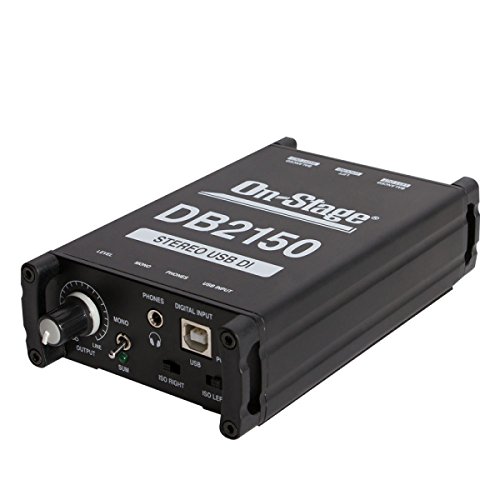
The OnStage DB2150 offers stereo direct input with USB DI capability, plus a 3.5mm headphone output, mono sum switch, and ground lift switch. This box is best for players needing stereo DI feeds and a compact, stage-ready footprint. It suits small venues and home studios where a discreet, reliable DI solution is needed. Limitation: USB DI may require compatible interfaces and drivers for certain systems.
Yovus Passive Direct Box 1/4″ to XLR

The Yovus Passive Direct Box converts 1/4″ instrument signals to balanced XLR with a simple passive design. Best for players who want a straightforward, power-free DI path with through-jack capability. Choose this for minimal setup and reliable passive operation; avoid if you need active buffering or extra gain staging.
Bolanle DB1 Passive DI Box

The Bolanle DB1 is a pure signal conversion DI box with no power supply requirements. It emphasizes high-fidelity signal conversion and can handle guitars, basses, and synthesizers. Best for performers who need a dependable passive path with minimal setup, particularly in live environments. Limitation: passive design may be less forgiving with very high-output sources compared to active DI options.
Donner Amp Attenuator Pedal – EMO Amp Box Controller

The Donner Amp Attenuator Pedal provides clean tone at lower volumes with true bypass and flexibility for front-end feel. Best for players who want to preserve dynamics while lowering stage volume or sending a controlled signal to the PA. Consideration: designed as an attenuator/loop controller rather than a pure DI box, so use it when attenuation and amp feel are critical to your setup. Avoid if you need a dedicated DI-isolated feed from the instrument directly to PA.
Donner Special-Ⅰ Passive DI Box

The Donner Special-Ⅰ is a professional passive DI box with multi-purpose direct injection and a transformer-based isolation to minimize hum and ground-loop noise. Best for stage and studio work where clean, isolated signals are essential. Limitation: as a passive device, it relies on adequate source impedance for best results; verify compatibility with your instrument’s output.
Palmer Pocket Amp MK 2
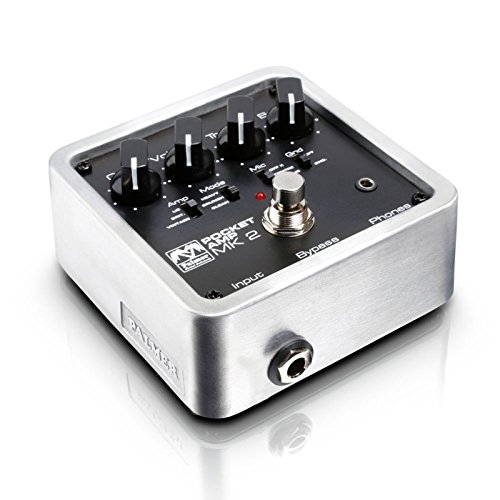
The Palmer Pocket Amp MK 2 combines a compact guitar preamp, DI box, and headphone amp with multiple amp simulation modes. Best for direct recording, travel gigs, or small studios where space and versatility matter. Choose this if you want quick tone shaping with DI capability. Limitation: integrated sim may not replace a full amp model if you require high-end, cabinet-specific responses for stage mixes.
Buying Guide
What type of DI box do you need? Passive vs. active DI boxes depend on your source impedance and the required headroom. Active models provide buffering and gain; passive boxes are simple and noise-free when paired with proper source levels.
Is isolation important for your setup? If you’re dealing with ground loops or noisy FOH systems, a transformer-based DI or ground-lift option helps reduce hum and buzz.
Do you need stereo or mono DI? For stereo guitar rigs or multi-channel inputs, consider a box with stereo I/O or USB DI capability.
How portable and durable must it be? Live performers benefit from compact, rugged boxes with simple controls and reliable wiring harnesses.
What about tone impact and headroom? Some DI boxes preserve your signal better than others. Read build quality and transformer specs to anticipate tone loss or noise performance.
Frequently Asked Questions
- What is the primary purpose of a guitar amp iso box?
To isolate and convert a guitar’s signal for direct connection to PA systems or recording interfaces while preserving tonal integrity.
- When should I choose a passive DI box over an active one?
Choose passive when you want a simple, noiseless path with a high-impedance guitar signal and adequate gain; choose active when extra headroom or buffering is needed.
- Can DI boxes affect guitar tone?
Yes, but high-quality DI boxes minimize tonal changes; transformers and impedance matching influence warmth, clarity, and sustain.
- Is ground lift important for live use?
Ground lift helps prevent hum caused by ground loops, especially in venues with complex electrical layouts.
- Do I need USB DI capabilities?
USB DI is useful for direct stereo recording or feeding a computer interface; ensure your setup supports USB DI workflows.
- Can I use a DI box with an amp head and cabinet?
Yes, many DI boxes provide speaker-through or line-out options to route signal to FOH while maintaining your amp’s feel for stage monitors.