
Best Guitar Amp Sim Plugins: Top Hardware Alternatives for Studio and Stage
If you’re seeking authentic guitar amp tones without a full stack, you want gear that delivers studio-ready simulations and flexible routing. This guide highlights five products that pair well with guitar amp sim plugins, catering to home studios, live rigs, and on-the-go setups. Each pick targets a different need—from compact pocket amps to robust load boxes and versatile modelers—so you can choose based on tone, portability, and connectivity.
| Product | Best For | Key Benefit |
|---|---|---|
| Valeton Rushead Max USB | Portable players and travel setups | Integrated amp models with cab and ambient effects |
| LEKATO Amp Simulator EP-01 | Stage and studio versatility | Pure analog path with flexible power options |
| NUX NGS-6 Amp Academy | Live performance and streaming | IR loading, 1024-sample resolution, easy integration |
| Two Notes Torpedo Captor 16 Ohm | High-fidelity amp capture and DI | Reactive loadbox with direct/line outputs |
| Two Notes Torpedo Captor 8 Ohm | Compact, studio-ready DI | Authentic tone preservation at any volume |
Valeton Rushead Max USB Portable Pocket Amp

Best for travelers and small studios, this pocket amp offers an AMP module with clean, overdrive, and distortion models, plus cab simulation for headphone or line-out use. The switchable MOD module adds chorus, tremolo, and flanger, while AMBIENT adds reverb and delay. It’s ideal for players who want a compact unit that can dual as a portable practice amp and a direct DI for recording amp tones with sim plugins.
Who it’s best for: players needing a lightweight, all-in-one solution for practice and quick tone shaping on the go. Why selected: integrated amp, cab, and effect modules simplify routing when using amp sims on a computer.
Caution: Battery/USB power is needed for portable use; check power requirements for extended sessions.
LEKATO EP-01 Amp Simulator Pedal

Better for stage and studio, the LEKATO EP-01 delivers a versatile amp tone with authentic distortion, overdrive, and pristine clean sounds inspired by iconic amps. Its pure analog signal path preserves the amp’s natural voice, with a flexible power setup that supports USB-C or 9V DC inputs. It’s a solid pick for players who value a dry, uncolored signal path compatible with external amp sims and DAW plugins.
Who it’s best for: players who want to preserve tonal integrity while integrating amp sims in a live rig or recording chain. Why selected: the analog bypass keeps tone honest and reduces digital coloration.
Caution: USB-C/5V adapters may require additional power for long gigs; verify compatibility with your power source.
LINGHUYC 12 Pack Guitar Jack (1/4″ Mono)
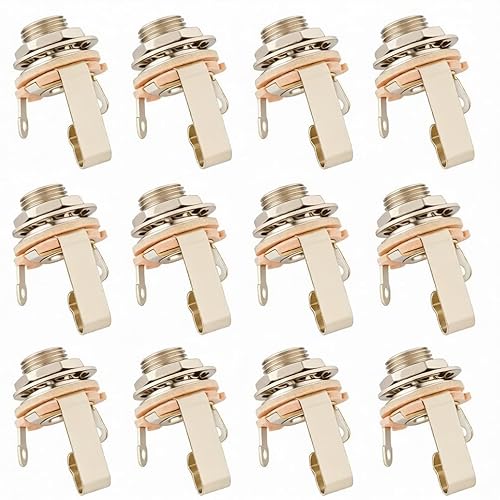
Although not a plugin, reliable input/output jacks are essential in any guitarist’s rig, especially when pairing with amp sims and DI gear. This 12-pack provides rugged nickel-plated mono jacks suitable for guitar, bass, and pedals, helping ensure stable connections and minimal noise. Use with pedalboards or amp sims to maintain signal integrity across devices.
Who it’s best for: builders and technicians who frequently repair or upgrade pedal boards and rigs. Why selected: durable construction with standard 1/4″ compatibility helps maintain consistent tone in complex setups.
Caution: Some users may need specific bushings or panel mounting options to fit their enclosure; verify dimensions before purchase.
Two Notes Torpedo Captor Reactive Loadbox DI (8 Ohm)
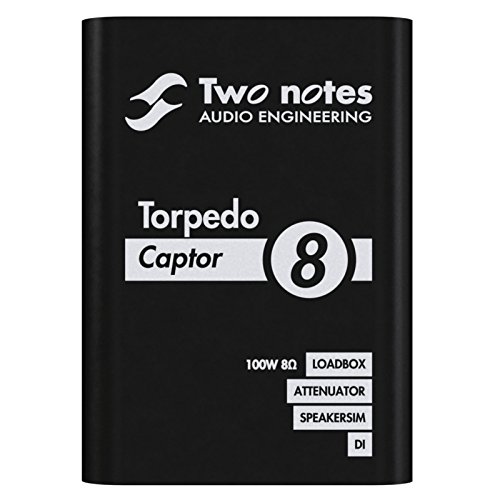
Designed for direct audio workflows, this 8 Ohm Captor preserves amp tone while offering DI and line outputs. The unit is optimized for reactive load behavior to keep your amp’s signal authentic and dynamic at all volume levels, with protection features to guard the amp during performance. It’s a good match for players who want studio-grade DI while using amp sims for tone shaping in DAWs.
Who it’s best for: players who need authentic amp interaction in a controlled, silent monitoring environment. Why selected: preserves your signal’s integrity while enabling direct recording or FOH playback. Limitation: higher output power handling may require careful amp matching to prevent driver clipping in some setups.
Two Notes Torpedo Captor Reactive Loadbox DI (16 Ohm)
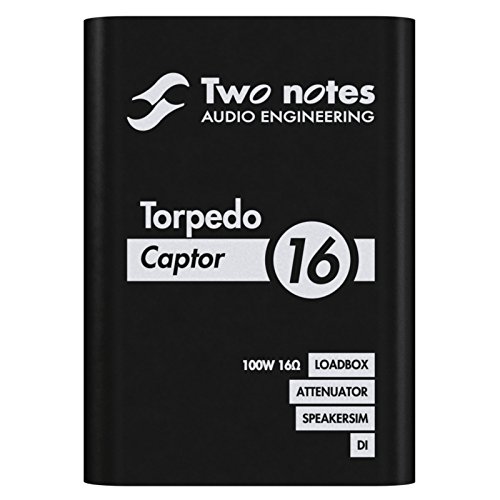
This 16 Ohm version doubles as a direct box and load box with a reactive design to keep amp tone expressive at varying volumes. It integrates smoothly into studio and live rigs, offering flexible routing through XLR DI and line outputs. Best for players who require a high-fidelity load and DI option with amp sims in the signal chain.
Who it’s best for: studio engineers and touring players needing robust, versatile tone shaping. Why selected: proven tonal fidelity and reliable protection features suitable for dynamic performances. Caution: ensure impedance compatibility with your amp and cab setup before use.
Guitar Part for SIM-AMP High Simplifier

This generic SIM-AMP accessory part offers a basic preamp/signal path option intended for simplifying complex amp simulations in hardware setups. It works as a bridge device to help route signals efficiently through amplifiers and DI chains, enabling cleaner integration with amp sim plugins in DAWs.
Who it’s best for: users building a modular rig and needing a simple, predictable signal path. Why selected: straightforward compatibility with modelers and DI devices. Caution: generic parts may require additional adapters for exact compatibility with specific gear.
Orange Crush 20RT 20W Combo

While not a dedicated amp sim, this compact 20W combo offers a familiar stage-ready alternative to practice direct with IRs and plugins. It features a twin-channel design with a high-gain preamp, three-band EQ, and built-in reverb, making it a practical choice for players who want a physical, responsive tone alongside software simulations.
Who it’s best for: players who want live-toned practice with the option to validate amp-sim tones in a real-amped environment. Why selected: combination of stage-ready features and portability. Caution: limited on-board effects compared to dedicated amp sim processors.
Buying Guide: Amp Sim Plugins and Hardware Synergy
What’s the best route for you depends on your workflow. If you record mostly in a home setup and rely on software amp sims, a compact, analog-front-end pedal like LEKATO EP-01 can preserve tone before hitting the DAW, reducing digital coloration. For live performance where you need direct DI to front-of-house, a Two Notes Torpedo Captor can capture your amp’s personality while providing flexible outputs for a plugin-enabled rig.
Consider these questions when choosing: Do you prioritize portability or studio precision? Is you rig primarily guitar-to-DAW, or do you also need stage-ready, real-time amplification? How important is a pure analog path versus a digital model in your tone chain? What outputs do you require for your audio interface or mixer?
To optimize compatibility with amp sim plugins, plan your signal path from guitar to front-end device (amp sim hardware or software) to interface. Use impedance-matching elements where necessary, and ensure your monitoring chain reflects the tone you intend to capture with plugins.
FAQs
- What is an amp sim plugin best used for?
- Do I need a hardware amp sim if I use plugins?
- Is a reactive loadbox necessary for amp sims?
- Can I use these devices with both live amps and plugin chains?
- What should I consider when choosing between 8 Ohm and 16 Ohm options?
- Are there any safety concerns when using loadboxes with tube amps?
Amp sim plugins reproduce classic guitar amp tones in a DAW, allowing flexible recording, blending, and tone-shaping without a full amp setup.
No, but hardware can add immediate, tactile control and better interaction with your guitar’s impedance, often improving tone capture when recording or performing live.
A reactive loadbox preserves amp tone when recording or silent-amp setups, providing a realistic response without loud cabinets.
Yes. Many devices are designed to work with real amplifiers and to interface with DAWs via DI/line outputs for plugin-based tone shaping.
Impedance affects load interaction with your amp and speaker system. Match the device impedance to your amp’s output to avoid tone loss or power issues.
Always follow manufacturer guidelines, ensure proper impedance matching, and use cooling when required to prevent overheating and equipment damage.