
Best Guitar Effects Pedal Box Solutions for DIY Pedals
Direct answer: when choosing a guitar effects pedal box, durability, size, and protection are the top priorities. For rugged travel and frequent gigs, metal aluminum enclosures with tight seals outperform plastic boxes. For DIY builders, standard sizes like 1590-series boxes provide ample mounting space and a common footprint. This guide highlights five well-suited options and explains why each is a strong pick for different setup needs.
Who should consider these products: the DIY pedal builder seeking a sturdy enclosure, the musician needing reliable stage protection, and the compact-project enthusiast who values precise dimensions. The top picks below cover compact stomp boxes, mid-size enclosures, and unfinished aluminum boxes ideal for customization. A quick summary table is provided to compare core attributes at a glance.
| Product | Best For | Approximate Size | Material | Notes |
|---|---|---|---|---|
| LKRXW 1590LB | Compact builds; travel-ready | 50.5mm x 50.5mm x 31mm | Die-cast aluminum | Tight fit, dust/water protection |
| DaierTek 1032L | DIY multi-pedal projects | 254mm x 71mm x 52.5mm | Aluminium | Unfinished exterior for customization |
| DaierTek 1590BB | Classic DIY enclosure | 120mm x 94.5mm x 34mm | Aluminium | Most common enclosure footprint |
| DaierTek 1590A | Popular mid-size box | 92mm x 38mm x 31mm | Aluminium | Unfinished, widely used |
| DaierTek 1590B | Sturdy mid-size enclosure | 112mm x 61mm x 32mm | Aluminium | Unfinished, versatile for toggles |
LKRXW 1590LB Diecast Aluminum Box

Best for compact builds that still require reliable protection. This enclosure uses one-piece diecast aluminum for high mechanical strength and corrosion resistance. It securely seals from dust and water, guarding delicate circuits in busy practice spaces. The dimensions (50.5mm x 50.5mm x 31mm) suit compact stomp boxes and rotary-switch installations. Suitable for performers needing a rugged, portable box. Caution: available space is tight for larger toggle arrays or multi-pedal layouts.
DaierTek 1032L Looper Pedal Enclosure
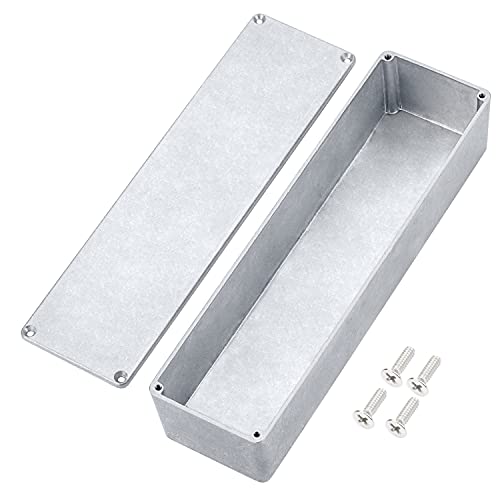
Best for DIY multi-pedal projects needing ample mounting space. This unfinished aluminum box offers a generous footprint, making it easier to route multiple switches, jacks, and PCB layouts. It’s a common choice among builders who want flexibility and room for future expansion. Choose this if you plan to add several knobs, a larger footswitch array, or a complex power circuit. Limitation: finish is unfinished, so you’ll need cosmetic treatment before final assembly.
DaierTek 1590BB Aluminum Enclosure

Best for the standard DIY pedal footprint with reliable fit. The 1590BB is a widely used enclosure for guitar effect pedals; its dimensions align well with many classic pedal designs. The aluminum construction provides solid durability while remaining light enough for stage use. Best for hobbyists and professionals who want predictable, proven geometry. Limitation: outside is unfinished; you’ll want to sand and paint or coat for corrosion resistance in humid environments.
DaierTek 1590A Aluminum Pedal Box

Best for mid-size DIY projects needing a balanced footprint. The 1590A enclosure is one of the most common choices for builders creating compact to mid-sized pedals. It provides sufficient mounting space for a standard pedal PCB and toggles while staying portable. Caution: the finish is unfinished; plan for cosmetic finishing if used on a finished pedal design.
DaierTek 1590B Stomp Box Enclosure
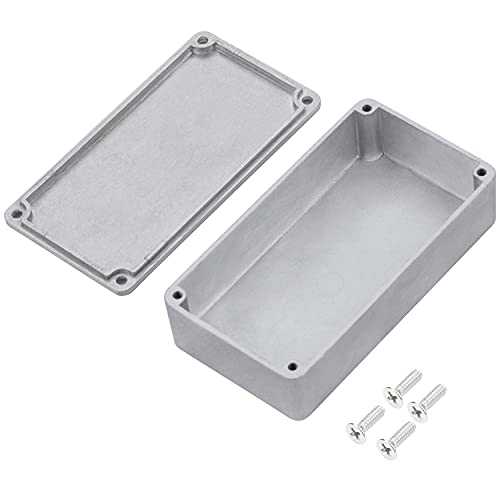
Best for a robust mid-size enclosure with a practical balance between space and protection. The 1590B offers a reliable interior volume for a moderate number of components, plus a sturdy aluminum shell for travel and gigging. Recommendation: choose this if you expect to add a few knobs, jacks, and a toggle switch without crowding. Limitation: external finish remains unfinished, requiring cosmetic treatment for a polished appearance.
Buying Guide
What should I look for in a guitar pedal box?
Durability, enclosure material, and protection are primary. Aluminum boxes are common for field use due to light weight and ruggedness. Die-cast boxes offer higher strength and dust resistance. Consider interior space to fit your PCB, switches, jacks, power supply, and cable management.
What size is right for my pedal design?
Measure your PCB footprint, switch layout, and jack positions. Standard 1590-series boxes fit many DIY designs, but some projects require larger footprints like 254x71x52.5mm boxes. If you plan multiple pedals in a single enclosure, select a larger footprint or an enclosure designed for multi-board layouts.
Finish and aesthetics matter?
Unfinished aluminum is common for DIY builds and easy to customize with paint, powder coating, or anodizing. If finishing is important for stage visuals or corrosion resistance, budget additional time and materials for cosmetic work.
Sealing and protection considerations
Boxes with tight-fitting lids help prevent dust and moisture intrusion. Some designs emphasize top-to-bottom seals; others rely on tight tolerances and gasket interfaces. For humid or dusty environments, prioritize sealed enclosures and protected mounting hardware.
Which enclosure suits multi-pedal projects?
Look for larger footprints like the 1032L or 1590B/1590A when you intend to run multiple effects in a single shell. Ensure there is space for routing and heat management if you’ve included power circuitry or high-current components.
How to finish and assemble safely?
Plan for paint or coating to prevent aluminum oxidation. Use appropriate screws, standoffs, and shielding to reduce noise and ensure secure mounting of PCBs. If you’re unsure about wiring, consult documentation or a pro to avoid short circuits.
FAQ
- What is a common enclosure size for DIY guitar pedals? The 1590-series boxes (like 1590BB, 1590A, 1590B) are among the most common footprints for DIY pedals.
- Are metal enclosures better than plastic? Yes for durability and shielding; metal enclosures generally provide better protection in live settings.
- Should I finish unfinished aluminum enclosures? Finishing improves corrosion resistance and aesthetics, especially for long-term use or performance environments.
- Can I mount a multi-pedal layout in a single box? Yes, with larger enclosures like 1032L, but plan interior routing and component placement carefully.
- What should I consider for sealing against dust? Look for tight top/bottom fits, gasket compatibility, and sealed lid designs to protect circuitry.
- Is it necessary to test fit before final assembly? Yes; mock-ups with placeholder components help ensure layout feasibility and reduce the need for rework.