
Best Guitar Les Paul Style: Top LP-Style Electric Guitars for Every Player
Finding the right Les Paul–style guitar means balancing tone, feel, and value. This guide highlights five LP-inspired options suited for different players, from newcomers to seasoned players seeking classic rock warmth and sustain. Each product section explains who it’s best for, why it was selected, and a practical caveat. A quick buyer’s table below helps you compare at a glance.
| Product | Best For | Why It Stands Out |
|---|---|---|
| Grote Electric Guitar Solid Body LPYS-006 Maple Neck (Red) | Beginners to intermediates seeking a solid, affordable LP-style guitar | Maple neck and steel frets with a gig bag for light transport |
| Epiphone Les Paul 100 E1 ( Ebony) | Players wanting classic Les Paul tones at a budget | 650R/700T humbuckers, 24.75″ scale, mahogany body with maple top |
| Epiphone Inspired by Gibson Les Paul Custom (Ebony) | Collectors and sound purists who want a premium feel | LockTone hardware, Kalamazoo headstock, Grover tuners for solid tuning stability |
| Epiphone Les Paul-100 (Heritage Cherryburst) | All-around players seeking versatile tones | 700T humbucker, rosewood fretboard, classic Les Paul resonance |
| GROTE Guitar Solid Body Electric Guitar with Gigbag LPYS-006 Blue | Cost-conscious players wanting a distinct look | Solid body with maple print, maple neck, steel frets for durability |
Grote Electric Guitar Solid Body LPYS-006 Maple Neck, Red

This solid-body guitar features a maple neck and durable frets, paired with a Red finish and a gig bag for portability. Best for beginners or players expanding their first LP-style collection who want a straightforward, affordable option.
Best for: Beginners and students who need a reliable, entry-level Les Paul–style instrument with easy transport. Caution: Limited tonal options compared to higher-end models; consider pickups and hardware as you grow.
GROTE Guitar Solid Body Electric Guitar with Gigbag LPYS-006 (Blue)

The Blue version mirrors the Red variant with a maple front print, a maple neck, and steel frets for durability. It’s well-suited for learners who want a visually striking instrument without breaking the bank.
Best for: Players who want a visually distinctive LP-style guitar with solid basic hardware. Consideration: Finishing consistency or electronics may vary; evaluate tone and setup on arrival.
Epiphone Les Paul 100 E1 (Ebony)
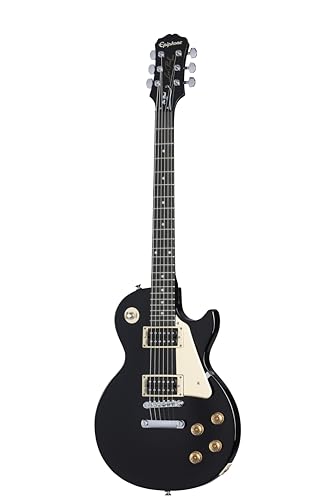
Epiphone’s Les Paul 100 E1 offers classic Les Paul voice with a mahogany body and maple top, plus 650R/700T humbuckers for balanced warmth and bite. The 24.75″ scale helps with chord shapes and comfortable playability for most players.
Best for: Players seeking traditional Les Paul tone at a reasonable price, with dependable core hardware. Caution: Lacks some higher-end refinements found on premium models; intended as a reliable workhorse instrument.
Epiphone Inspired by Gibson Les Paul Custom (Ebony) with Bag

This model aims to capture the feel of Gibson’s flagship Les Paul Custom with LockTone hardware and a Kalamazoo headstock. Grover Rotomatic tuners provide stable tuning and a premium touch in an accessible package.
Best for: Players who want a premium feel and sturdy hardware without paying for a full Gibson. Caution: Some players may prefer a fuller traditional carved-top look; weight and balance can vary by finish.
Epiphone Les Paul-100 (Heritage Cherryburst)

The Heritage Cherryburst variant pairs a mahogany body with a carved maple top for classic Les Paul resonance. The rosewood fretboard complements the warm humbucker tones, suitable for a wide range of styles from blues to rock.
Best for: Players seeking iconic Les Paul aesthetics with versatile tones. Caution: This model offers classic tones but lacks some modern refinements found in higher-tier Epiphone lines.
Buying Guide
Key purchase considerations help align your choice with playing style, budget, and goals:
- Body and neck construction: Mahogany bodies with maple tops provide the classic Les Paul sustain and warmth. A maple neck gives a bright, responsive feel, but weight can vary; try balance if possible.
- Scale length and fretwork: Most Les Paul–style models use a 24.75″ scale with medium-jumbo frets. This aids chord shapes and soloing comfort, especially for beginners transitioning to electric guitars.
- Pickup configuration: Humbuckers (such as 650R/700T) deliver hum-free, thick tones ideal for rock and blues. Coil-splitting or single-coil options expand versatility but may change overall tone.
- Hardware and stability: LockTone bridges, Grover tuners, and solid bridge hardware improve tuning stability and intonation, particularly for beginners and performers on stage.
- Finish and aesthetics: LP-style guitars come in bold finishes (Ebony, Heritage Cherryburst, Blue, Red). Choose a finish that motivates you to play and fits your genre style.
- Included accessories: A gig bag or case adds value for transport and practice sessions at home or school.
- Maintenance considerations: Check setup basics, including truss rod, action, and intonation. Budget-friendly models may require periodic setup to keep optimal playability.
Frequently Asked Questions
- What defines a Les Paul–style guitar? A solid body with a single-cutaway design, carved maple top, and dual humbucking pickups are typical features that yield sustain and thick tone.
- Are Epiphone Les Pauls a good value? Yes, Epiphone models generally offer classic Les Paul tones and features at accessible prices, making them popular for beginners and intermediate players.
- Is a maple neck better for beginners? Maple necks are smooth and durable, offering a bright tonal response. Comfort varies by player preference and finish feel.
- Do MIDI or gaming controllers resemble real guitars? Some multi-platform controllers offer keyboard/mouse mapping for rhythm games but do not replace real guitar playability or tone.
- What’s the difference between a Les Paul Standard and a Les Paul-100? Higher-end models typically include upgraded pickups and hardware; the Les Paul-100 focuses on essential Les Paul features at a more affordable price.
- Should I buy a guitar with a gig bag? A gig bag protects the instrument during transport and storage and is a practical addition for learners and traveling players.