
Best Headphone to Mic Adapter Solutions for Clear Audio Connections
Looking for a reliable headphone to mic adapter to bridge consumer headphones with pro audio gear or computers? This guide presents five top picks that fit common CTIA/TRRS and TRS setups, ideal for gamers, streamers, students, and casual users. Each option is evaluated for compatibility, build quality, and ease of use, so you can choose the right adapter for your setup without guesswork.
| Product | Best For | Key Benefit |
|---|---|---|
| VCE 3.5mm to 1/4 Adapter | Pro audio to personal listening | Gold-plated for maximum conductivity |
| KINGTOP 3.5mm Headphone Mic Splitter | Dual-plug headsets on single USB-C/console | CTIA compatibility with 2 jacks |
| MillSO Headphone Splitter | VOIP and PC use with separate mic/audio | Clear labeling for mic and audio |
| NANYI 1/4 to 3.5mm Headphone Adapter | Connecting consumer headphones to 1/4″ gear | Tight fit and solid metal body |
| UGREEN Headphone Splitter | PC/laptop with separate mic & audio | Durable, gold-plated connectors |
VCE 3.5mm To 1/4 Adapter Stereo Headphone Adapter

The VCE adapter lets a 6.35mm stereo port accept a 3.5mm plug, bridging consumer headphones with pro audio gear. It uses 24K gold-plated connectors to improve conductivity and minimize signal loss. A durable brass body with a precision TRS interface provides a secure fit, and knurled grip aids use in tight spaces. Best for: musicians or home studio users who need a simple path from personal headphones to mixers or amplifiers. Limitation: the adapter is a passive connector and does not convert impedance or apply amplification.
KINGTOP 3.5mm Headphone Mic Splitter

This 1 Male to 2 Female splitter enables dual-plug gaming headsets to connect to a single port device. It uses standard TRRS wiring and includes one 3.5mm male plug with two TRRS female jacks (Mic & Audio). Best for: gamers who want to share or route mic and audio through one jack on consoles or laptops. Caution: ensure your headset uses the CTIA standard; incompatible wiring (OMTP) may affect mic function.
D & K Exclusives Headphone Splitter For Computer
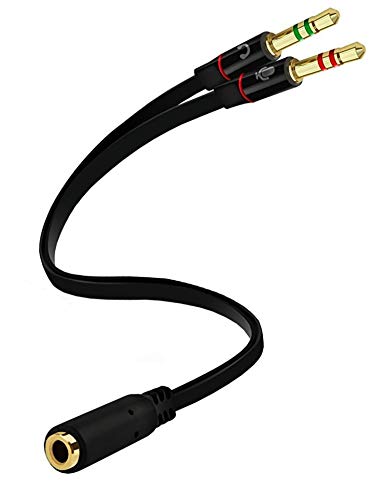
Designed to connect newer headsets with separate audio and mic lines to a PC or laptop, this gold-plated 3.5mm Y-splitter emphasizes maximum conductivity. Best for: VOIP users who need stable connections for calls and chats. Limitation: the 3.5mm female jack is a fixed port; if your device uses a different layout, this adapter may not fit all configurations robustly.
MillSO Headphone Splitter for Computer CTIA 3.5mm TRRS Female to 2 TRS Male

The MillSO splitter separates mic and audio with a black TRRS female to two TRS male outputs, color-coded for headphone and microphone ports on PC. Best for: users with VOIP apps or classic PC setups needing distinct mic and speaker connections. Limitation: not compatible with some iOS devices or certain high-end earbuds that rely on a single TRRS connection.
NANYI 1/4 to 3.5mm Headphone Adapter
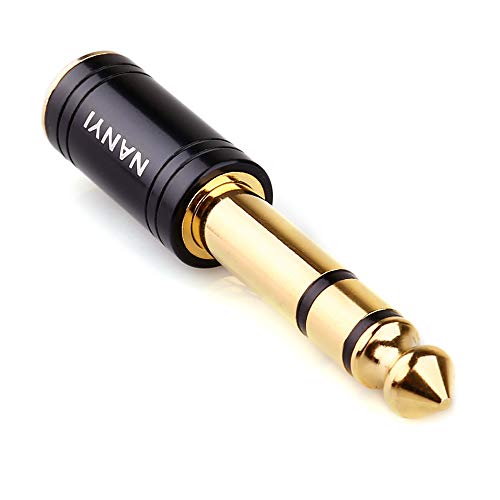
NANYI’s 1/4″ male to 3.5mm female adapter connects consumer headphones to pro gear like amps or mixers. It emphasizes a tight fit with a solid metal body and 360-degree knurled grip for easy plugging in dim environments. Best for: musicians or home studio users who need a reliable, rugged connector. Caution: ensure the 3.5mm port is fully seated to avoid crackling or signal drops.
Nicholaus 3-Pack 6.35mm To 3.5mm Adapter

This upgraded 3-pack provides 6.35mm male to 3.5mm female adapters designed for thicker, high-fidelity connections. Best for: users needing a robust solution to connect guitar amps or keyboards to headphones or portable devices. Note: 3.5mm female jack may not support TRRS for mic functionality; suitable for audio-only use.
ANDTOBO 1/4” to 3.5 mm Stereo Adapter

ANDTOBO offers a copper-based 1/4″ to 3.5mm stereo adapter, marketed for headphone compatibility with amps and audio devices. Best for: users who want a simple copper-based path to connect headphones to pro gear. Limitation: copper connectors require proper seating to avoid signal loss; avoid if you need TRRS mic support from the same jack.
UGREEN Headphone Splitter for Computer
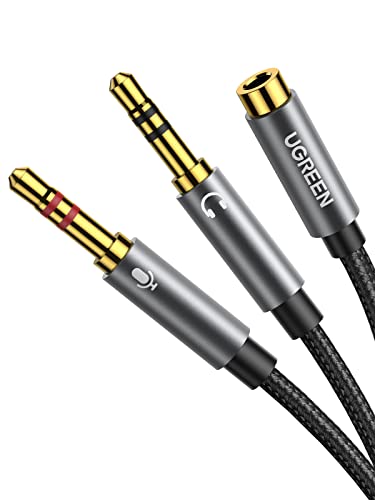
UGREEN’s splitter is designed to connect 4-pole 3.5mm TRRS plugs to PCs or laptops with separate audio and mic jacks. Best for: users who need reliable VOIP performance with durable nylon braided jacket and gold-plated connectors. Note: CTIA standard compatibility is required for mic output; OMTP may not work.
Buying Guide: How to Choose The Right Headphone To Mic Adapter
What should you consider before purchasing? Compatibility with your device’s jack standard (CTIA vs OMTP), whether you need a split for separate mic and audio, and the build quality for longevity. If you primarily connect headphones to a mixer or amplifier, prioritize gold plating and a snug fit. For gaming or VOIP on laptops or consoles, a splitter with clear mic and audio ports reduces setup friction. Materials matter; metal housings and knurled grips ease use in dark or crowded rack areas.
Key Purchase Considerations
- Jack standard: CTIA is common for headsets with a single combined mic/audio plug; TRS/TRRS compatibility matters for mic support.
- Type: 1-to-2 splitters are ideal for separate mic/audio; 1-to-1 adapters are suitable for bridging to pro gear.
- Durability: look for brass or copper conductors and gold plating to minimize signal loss and corrosion.
- Fit: knurled grips and robust connectors reduce looseness and dropouts.
- Use case: gaming, VOIP, music production, or casual listening will influence which adapter to choose.
FAQ
- What is the difference between CTIA and OMTP? CTIA jacks have a common ground for mic and audio, while OMTP uses separate grounds, which can affect mic compatibility with some devices.
- Can I use a headphone adapter to improve mic quality? Adapters mainly provide physical compatibility; they do not boost microphone performance.
- Do all adapters support TRRS mics? Not all do; verify if your headset requires TRRS or separate mic and audio inputs.
- Is a metal adapter more durable than plastic? Generally yes; metal housings resist wear and provide better shielding from interference.
- Should I buy a 1-to-2 splitter or a single-to-single adapter? Choose based on whether you need separate mic and audio paths or a simple pass-through.
- Are there compatibility issues with consoles? Some splitters may rely on CTIA wiring; verify compatibility with your console’s jack configuration.