Best Headphones for Metal Music: Big, Clear, and Fast Listening
Answering the buyer: if you crave loud guitars, punchy drums, and precise detail in heavy tracks, these headphones are designed to deliver metal-ready sound with comfort for long sessions. They suit different needs—from critical mixing and studio listening to daily metal bangers on the go. Below you’ll find five top picks that balance aggressive bass with clean mids, plus practical buying guidance to help you pick the right model for your setup.
| Product | Brand |
|---|---|
| Sennheiser HD 600 | Sennheiser |
| LORELEI Q30 | LORELEI |
| INFURTURE USB-C Wired Headphones | INFURTURE |
| Fisher Over-Ear Stereo Headphones | Fisher |
| Audio-Technica ATH-M50XGM | Audio-Technica |
Sennheiser HD 600 – Open-Back Precision

The Sennheiser HD 600 is an open-back design known for natural, expansive sound with smooth treble and detailed midrange. This makes it a strong choice for metal genres that benefit from instrument separation and an airy stage. Best for: audiophiles and home listeners who want truthful guitar textures and cymbal air without intrusive coloration. Why selected: renowned for neutral accuracy and comfort over long sessions. Limitation: open-back design lets sound leak and reduce isolation in loud environments.
LORELEI Q30 Bluetooth Headphones – Long Battery, EQ Variety

The LORELEI Q30 delivers a long battery life (up to 60 hours) with a 3 EQ mode choice and a fast Bluetooth 6.0 connection. It’s well-suited for metal fans who want wireless convenience without compromising bass presence and vocal clarity. Best for: listeners who travel or commute and need extended playtime with a punchy digital soundstage. Why selected: offers a robust feature set for wireless use and a real-time EQ option for tailoring metal tracks. Caution: Bluetooth headphones may still feel slightly less precise than wired monitors in critical mixing tasks.
INFURTURE USB-C Wired Headphones – Durable Metal Frame

The INFURTURE USB-C wired headphones prioritize a stable, latency-free connection with a full USB-C path, eliminating battery concerns. They’re ideal for metal listeners who primarily use laptops or USB-C devices and want a rugged metal frame with retro aesthetics. Best for: players and producers who prefer a wired, plug-and-play experience with minimal setup. Why selected: reliable digital audio with no wireless interference and a durable build. Caution: not compatible with 3.5mm or Lightning jacks; verify USB-C if your device supports it.
Fisher Over-Ear – Durable Wired Listening

The Fisher Over-Ear headphones provide a balanced stereo sound with clear bass and a sturdy build made in the USA. This makes them a practical choice for metal listening at home, on commutes, or during study sessions where you need dependable wired performance. Best for: budget-conscious listeners who still want solid, non-fatiguing sound. Why selected: offers rugged construction and reliable wired use. Caution: soundstage and finish may feel less refined than high-end studio models.
Audio-Technica ATH-M50XGM – Pro-Grade Monitoring
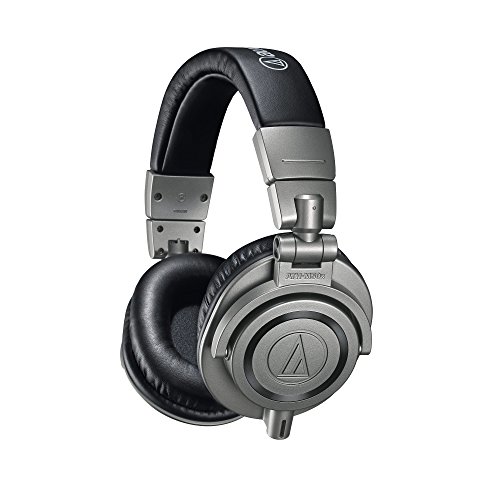
The Audio-Technica ATH-M50XGM stands out for critical-monitor style sound with controlled bass extension and detailed highs, making it a solid pick for metal producers and serious listeners. Best for: those who want a professional-grade monitoring feel with robust build and comfortable ear cushions. Why selected: widely regarded as durable, with reliable clarity across the frequency range. Caution: some users may prefer a warmer or more forward vocal presence depending on music taste.
Buying Guide – How to Choose Your Metal Music Headphones
Do you need open-back or closed-back?
Open-back designs, like the Sennheiser HD 600, provide a spacious sound with natural imaging, which helps with instrument separation in metal tracks. Closed-back models, such as the Fisher and INFURTURE options, offer better isolation for noisy environments and easier bass control. Choose open-back for home listening and critical evaluation, closed-back for commuting or loud spaces.
Wired or wireless?
Wireless headphones offer freedom of movement but can introduce latency and slight timing shifts in some setups. For metal listening with precise timing and mixing, wired connections (INFURTURE and Fisher) are often preferred. If you value convenience and long battery life, LORELEI Q30 provides solid wireless performance with multiple EQ options.
Sound signature and bass response
Metal music often benefits from a tight, impactful bass that doesn’t overpower mids and highs. The ATH-M50XGM and Sennheiser HD 600 provide strong bass with clear midrange, suitable for guitars and drums. If you want extra bass punch or tailorability, consider models with EQ modes like the LORELEI Q30.
Build quality and comfort
Durable metal frames in INFURTURE and Fisher models are good for travel and daily use. Comfort matters for long practice sessions or study periods. Look for breathable ear cushions and an adjustable headband to prevent fatigue during extended listening.
Use case and environment
For studio-like listening, prioritize accuracy, wide soundstage, and low fatigue over extreme bass. For casual gaming or commuting, prioritize isolation, durability, and battery life. Always match the headphone type to where you’ll use them most and how you’ll connect.
Maintenance and compatibility
Ensure device compatibility, especially if choosing USB-C wired options. Open-back headphones require a quiet environment to maximize their benefit. Regular cleaning of cushions and connectors helps sustain audio quality over time.
Frequently Asked Questions
- What makes headphones good for metal music? Clarity in the mids and highs, fast transient response, controlled bass, and a soundstage that preserves instrument separation without muddying kick drums and guitar riffs.
- Is open-back better than closed-back for metal? Open-back offers more natural soundstage and detail, but closed-back can provide better isolation and stronger bass in noisy environments.
- Can wireless headphones work well for metal production? Yes, if latency is low and the driver quality is high; however, wired options are typically preferred for critical listening and mixing.
- Do I need a high-end amplifier for these headphones? Most consumer models function well with common devices; high-impedance or studio-grade models may benefit from a dedicated audio interface or amp.
- What should I consider for travel use? Look for durability, comfort, and battery life (for wireless models), plus foldable designs for portability.
- Which is best overall for metal fans? The best pick depends on environment: Sennheiser HD 600 for pure audio accuracy at home; LORELEI Q30 for wireless versatility; INFURTURE for durable USB-C wired use; Fisher for a balanced wired option; ATH-M50XGM for professional monitoring with dependable build.