
Best Headphones for Swimming Underwater: Open-Ear Bone Conduction Picks for Pool and Open-Water Use
Answering the search intent for swimmers, athletes, and pool enthusiasts: these open-ear, waterproof headphones are designed to stay on while you swim, snorkel, or train underwater without blocking your ears. The top options below are best for athletes who want hands-free listening, safety awareness, and large offline music storage. They differ in MP3 vs. Bluetooth performance, water depth compatibility, and memory size, so choose based on how you plan to listen and where you swim. The short buying table highlights each product’s strengths at a glance.
| Product | Best For | Key Benefit |
|---|---|---|
| PSIER Bone Conduction Headphones (IPX8) | Deep-water swimming with MP3 storage | 32GB memory for up to 4,000 songs; Bluetooth and MP3 modes |
| CXK Bone Conduction Headphones IPX8 | High-capacity offline listening | Built-in memory up to 8,000 songs; clear open-ear design |
| KESIEME Swimming Headphones | Open-ear safety with MP3 mode | 32GB memory; Bluetooth 5.4; IPX8 |
| Hostena Swimming Headphones Open-Ear | Pool lap swimming with MP3 mode | 32GB memory; Bluetooth 6.0; IP68 |
| Dnniakm Bone Conduction Headphones | Lightweight open-ear for active wear | IP68; MP3 mode; designed for aquatic sports |
PSIER Bone Conduction Headphones, IPX8 Waterproof

Best for swimmers wanting dual listening modes and substantial built-in storage. This model combines Bluetooth 6.0 with MP3 playback and offers 32GB of internal memory for thousands of songs, ideal for long training sessions where a phone isn’t convenient. The IPX8 rating supports submersion up to two meters for up to an hour, making it a solid option for lap swimming and water workouts. It switches between Bluetooth and MP3 with a double-click, which helps when you move between land and water. The open-ear design keeps you aware of coaches and surroundings, and a soft strap adapts to different head sizes. Caution: Bluetooth mode does not work underwater; switch to MP3 mode before swimming.
Best for: swimmers who want phone-free listening underwater and the flexibility of offline music during underwater workouts.
What to know: The waterproof seal is designed to endure underwater use, but Bluetooth connectivity is limited to above-water use. The device supports MP3, WMA, FLAC, APE, and WAV formats in MP3 mode.
Dnniakm Bone Conduction Headphones for Swimming

Best as a lightweight option for active swimmers who want reliable underwater playback without blocking their ears. The Dnniakm model emphasizes open-ear listening through bone conduction and is designed for aquatic sports and outdoor activities. Note that Bluetooth is not available underwater; MP3 mode is recommended for swimming. It stores up to 9,000 songs or audiobooks, providing extensive offline options for long sessions. A three-press switch method helps you manage playback easily in MP3 mode, whether you’re swimming, running, or training outdoors. Caution: Bluetooth does not function underwater, so plan offline playback for underwater use.
Best for: swimmers who want a large offline library and a straightforward, hands-free water activity headset.
What to know: While MP3 mode works underwater, Bluetooth will not. The 9,000-song capacity supports long workouts without frequent file management.
PSIER Swimming Headphones with IPX8
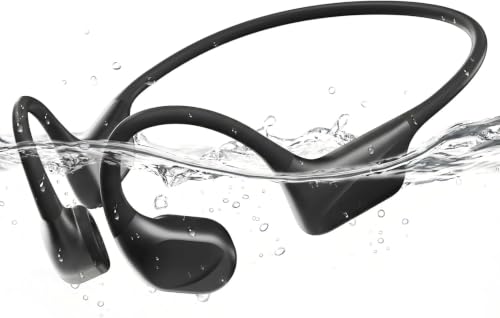
Best for swimmers who want enhanced sound through a hybrid bone and air conduction system. This model combines dual-driver bone conduction with air conduction to deliver clearer highs and more bass compared with single-driver designs. It includes a 32GB memory card for phone-free listening in and out of the water, plus Bluetooth 6.0 for low-latency connections on land. Submersion up to two meters is supported with an IPX8 rating, and the design emphasizes a sealed coating for underwater use. Caution: Bluetooth mode cannot connect underwater; switch to MP3 mode when swimming.
Best for: athletes seeking richer sound with better bass and the option to leave the phone behind during workouts.
What to know: The MP3 mode is essential underwater; ensure content is loaded onto memory before swimming.
Hostena Swimming Headphones Underwater, Open Ear

Best for pool lap training where visibility and awareness matter. These open-ear headphones keep the ear canals open, enabling you to hear coaches and lane cues while enjoying music. They use Bluetooth 6.0 for reliable on-land listening with a built-in 32GB memory for offline playback during underwater sessions. The IP68 rating supports in-pool swimming, and a reminder notes that Bluetooth does not travel through water; switch to MP3 mode before submerging. Caution: MP3 mode is required underwater; Bluetooth won’t work underwater.
Best for: swimmers who value situational awareness and want ample offline storage for underwater playback.
What to know: The device is optimized for indoor pool use; ensure MP3 mode is selected before going underwater.
KESIEME Swimming Headphones, IPX8

Best for swimmers seeking a strong balance of Bluetooth connectivity and large built-in memory. KESIEME offers Bluetooth 5.4 plus 32GB memory, enabling offline listening during underwater sessions via MP3 mode. The IPX8 rating ensures water resistance up to two meters. The open-ear design helps you stay aware of surroundings, which is advantageous for outdoor or public pool training. Caution: Bluetooth signals do not travel through water; use MP3 mode underwater.
Best for: runners, cyclists, and swimmers who want stable wireless on land and reliable offline playback in water.
What to know: Remember to preload your music into memory for underwater use; Bluetooth will not work underwater.
Buying Guide
- Waterproof rating: Look for IPX8 if you plan submersion up to two meters; IP68 is common and suitable for pool use.
- Mode performance: Decide between MP3 mode for underwater listening and Bluetooth mode for above-water use. Some models require switching modes when entering water.
- Storage capacity: 32GB to 32GB+ is typical; higher capacity supports thousands of songs without needing a phone.
- Sound delivery: Bone conduction plus open-ear design preserves awareness but may deliver different bass response than in-ear headphones.
- Fit and comfort: Look for soft silicone cushions and adjustable straps to accommodate swimming caps and goggles.
- Safety and awareness: Open-ear designs help you stay aware of lane lines, coaches, and teammates.
Frequently Asked Questions
- Can these headphones play music underwater via Bluetooth? No. Bluetooth signals do not travel well underwater; switch to MP3 mode for underwater listening.
- How much music storage do these typically offer? Most models provide 32GB of built-in memory, with some offering up to 8,000 songs depending on format.
- Are open-ear headphones safer for swimmers? Yes, open-ear designs keep ears exposed to ambient sound, which can improve situational awareness in crowded pools or open water.
- What should I do before swimming with MP3 mode? Load your music into the built-in memory and switch the device to MP3 mode before entering the water.
- Is IPX8 enough for long pool sessions? IPX8 supports submersion up to two meters for up to an hour; ensure you follow manufacturer guidelines for extended use.
- Can these be used for running or cycling? Many models support Bluetooth on land and MP3 mode elsewhere, making them versatile for various workouts beyond swimming.