
Best Headphones for Voice Over: Quiet, Clear, and Comfortable Options
Answering your voice-over needs, these headphones are chosen for clear voice pickup, strong noise cancellation, and long-lasting comfort. They suit voice actors, podcast hosts, and freelance narrators who record in noisy or unpredictable environments. The top picks balance microphone clarity, ambient noise reduction, and practical features like long battery life and flexible connectivity. This guide highlights five options with concrete reasons to choose each, helping you pick the best match for your recording setup and environment.
| Product | Why It’s a Fit | Best For |
|---|---|---|
| TOZO HT3 Hybrid Noise Cancelling Headphones | Adaptive ANC, 90-hour battery, 40mm drivers, multiple mics for clear voice pickup | Voice actors and remote hosts needing long sessions |
| Soundcore Space One | 2x stronger voice reduction, LDAC hi-res, solid call clarity | Professional calls and voice work in noisy settings |
| JBL Tune 520BT | Pure bass and comfortable fit with long battery life | Casual voice work and podcast tasks with mobility |
| Sony WH-1000XM5 | Premium noise cancellation with multiple mics for clear pickup | Studio-adjacent environments and mobile work |
| BlueParrott B450-XT | 96% noise cancellation, dedicated mic, extended range | Voice-intensive workloads in loud, real-world settings |
TOZO HT3 Hybrid Noise Cancelling Headphones
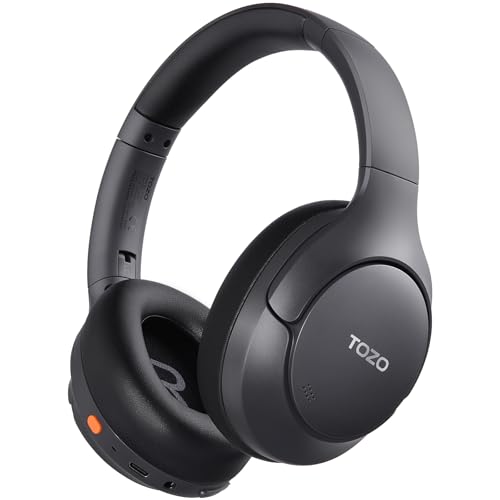
The TOZO HT3 is designed for clear voice capture in demanding environments. It combines 45dB adaptive hybrid noise cancellation with a dedicated call microphone, making it a strong choice for voice actors and remote interview work. The 40mm dynamic drivers deliver a balanced sound signature that supports both voice warmth and detailed monitoring for editing later. Users benefit from a long battery life—up to 90 hours on a single charge—and a quick 10-minute boost that adds about 9 hours of use, ideal for long sessions without interruption.
Best for: Voice actors and on-the-go narrators who need strong ANC and reliable call quality. Choose this if you often work in subways, planes, or busy cafés and require extended operating time between charges. Caution: The abundance of features may feel overwhelming for first-time wireless headphone users.
Soundcore Space One

Space One emphasizes voice-focused cancellation and high-quality wireless audio. Its 2x stronger voice reduction helps suppress mid-to-high-frequency disturbances, making it suitable for voice-over sessions in dynamic environments. The LDAC-enabled driver system delivers hi-res quality, which can be helpful for editors reviewing raw recordings for nuance. The ergonomic fit and solid battery life support long production days without frequent recharging.
Best for: Professional calls and voice work in semi-noisy places where crisp dialogue is essential. Better for: capturing clean voice even when ambient noise would typically intrude. Avoid this if you require studio-grade, wired-grade latency for ultra-precise timing during recording sessions.
JBL Tune 520BT

JBL Tune 520BT offers sustained comfort and a classic sound profile with JBL Pure Bass, which can support voice clarity when monitoring during sessions. While it emphasizes bass, the lightweight design and user-friendly controls can be beneficial for voice work in a home-studio setup where comfort over long sessions matters. The latest Bluetooth 5.3 ensures dependable wireless connectivity for mobile recording tasks and quick edits between takes.
Best for: Remote narrators who value comfort and straightforward operation. Choose this if you need reliable wireless performance for long sessions and don’t require premium noise cancellation for extremely loud environments. Caution: Bass emphasis may slightly color voice monitoring; use EQ cautiously during editing.
Sony WH-1000XM5 Premium Noise Canceling Headphones

Sony WH-1000XM5 stands out for its industry-leading noise cancellation and robust microphone system. With two processors and eight microphones, it achieves precise voice pickup while maintaining an immersive listening experience. The Auto NC Optimizer adjusts to wearing conditions, helping to maintain consistent capture quality across environments. This makes it a strong all-around choice for home studios, co-working spaces, or travel with occasional studio-like needs.
Best for: Narrators and remote hosts who require top-tier ambient noise reduction and dependable voice clarity. Better for: users who want advanced software features and frequent wireless connectivity. Limitation: Premium features may require more setup time to optimize mic behavior in varied environments.
Sony WH-1000XM5 Premium (Midnight Blue)

This variant maintains the same core capabilities of the XM5 lineup with the distinctive midnight blue finish. The combination of industry-leading noise cancellation and strong microphone design delivers reliable voice capture for voice-over work across environments. It is well-suited for professionals who value aesthetics alongside performance and frequently switch between quiet home studios and public spaces.
Best for: Professionals seeking a premium look with the same audio technology as the standard XM5. Consider: whether the color preference affects your brand presentation during client calls or auditions.
BlueParrott B450-XT Mono Bluetooth Headset

The BlueParrott B450-XT is engineered for high-noise environments with industry-leading 96% noise cancellation and a dedicated microphone to ensure clear voice pickup during long shifts or busy recording days. The headset design emphasizes comfort during extended wear and offers extended wireless range for flexible movement. This makes it a strong option for voice actors conducting auditions or recordings in loud locations where ambient noise otherwise interferes with speech clarity.
Best for: Voice actors and remote hosts who frequently work in loud environments like fleets, studios with external noise, or busy live locations. Caution: Mono design may feel limiting for stereo monitoring and broader sound cues in some setups.
Buying Guide
What matters most for voice-over headphones?
Look for strong microphone performance, effective ambient noise cancellation, and a comfortable fit for long sessions. A clear and predictable impedance and sensitivity help ensure consistent monitoring and easy integration with your recording workflow.
Wired vs. wireless considerations
Wired headphones offer more predictable latency and fewer dropouts, which can be important for synchronized VO work. Wireless options provide mobility and convenience but may introduce latency or occasional dropouts. When possible, pair wireless units with a low-latency mode or use dedicated monitoring paths.
Noise cancellation and voice clarity
Adaptive ANC and dedicated mic arrays help minimize ambient sounds while preserving voice quality. In loud environments, high-quality mics and noise reduction tech prevent extraneous noise from leaking into recordings.
Comfort and long sessions
Choose headphones with soft earpads, adjustable headbands, and light weight. If you record for extended periods, battery life and heat management also matter to prevent fatigue.
Monitoring and workflow integration
Consider how you monitor: some models offer direct monitoring, while others rely on software routing. Ensure compatibility with your editing and recording software, and test the mic sensitivity to avoid clipping during takes.
FAQ
- What features are most important for voice-over headphones?
- Is wireless acceptable for professional VO work?
- How do I minimize echo and room noise during recording?
- Do I need a headset with a boom mic?
- Can I use consumer headphones for VO editing and mastering?
- Which option offers the best balance of comfort and mic quality?
Answers: The most important features are a clear microphone pickup, effective noise cancellation, and comfortable design for long sessions. Wireless can be suitable with low-latency modes; wired options often reduce latency. Use proper room treatment and position mics to minimize reverberation. Boom mics are beneficial for some setups, but many performers rely on the headphone mic array. Consumer headphones can be used for basic editing, but professional VO work benefits from dedicated VO headsets or premium headphones with reliable monitoring paths.