
Best Headphones for Watching TV When Hard of Hearing
Answer: If you’re hard of hearing, these wireless TV headphones help you hear dialogue clearly, reduce TV volume for others, and stay in sync with the on-screen action. The top picks cover a range of connection options, comfort levels, and price points to suit different living rooms and listening needs. This guide highlights which headphones are best for seniors, for private listening, and for multi-room setups, with clear reasons to choose each option.
| Product | Best For |
|---|---|
| NOUII Wireless Headphones For TV Watching | Best overall comfort and wide compatibility |
| ANTOANE TTA Wireless Headphones For TV Watching | Best dialogue clarity without disturbing others |
| ZUPVIY Wireless TV Headphones | Best for long wear with independent volume control |
| Holdsound BKM400 Wireless Headphones | Best for simple plug-and-play setup |
| Conqier 2.4G Digital Wireless Headphones | Best for adjustable hearing settings |
NOUII: Wireless Headphones For TV Watching
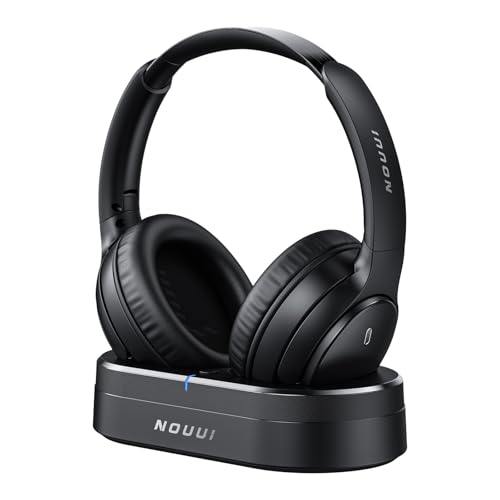
Features include HIFI stereo sound and noise-isolating ear cups to block household distractions. The system is designed for a private home theater experience with “plug and play” setup and multiple connection options (Optical, 3.5mm AUX, RCA), plus Bluetooth. Best for seniors and households wanting a straightforward setup with broad TV compatibility. A potential limitation is the need to manage cabling for some connections, though the transmitter is designed for simple use.
ANTOANE TTA: TV Headphones With Transmitter Dock

These headphones emphasize crystal-clear TV dialogue and ultra-low latency, aiming to keep audio and video perfectly in sync. The included dedicated transmitter supports non-Bluetooth connections, and setup is described as easy with optical, AUX, or RCA outputs. Best for seniors who prioritise clear speech without having to raise the TV volume. Limitation: some TVs may require PCM output settings for best compatibility.
ZUPVIY: Wireless TV Headphones With Transmitter

Best for long listening sessions with independent volume control and a comfortable, premium design. Uses 2.4 GHz wireless (not Bluetooth) to minimize delay and support real-time listening. The adjustable ear cushions and memory foam promote extended wear, making it a strong pick for viewers who want to adjust volume on a per-ear basis. Limitation: may require manual pairing steps for some devices beyond the transmitter.
Holdsound BKM400: USB-Transmitter TV Headphones
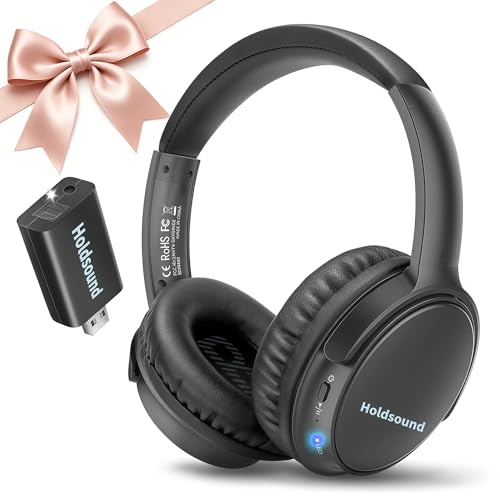
Designed for effortless plug-and-play use with USB transmitters and optional optical/AUX/RCA cables. Noted for senior-friendly features like a one-button reset for quick reconnection and memory-protein ear cups that help block ambient noise. Best for users seeking a simple setup with broad compatibility across TVs. Caution: depending on the TV, you may need to adjust audio output format to PCM for optimal compatibility.
Conqier 2.4G Digital Wireless Headphones

Best for customizable hearing settings with voice-enhancing technology and a mono/stereo option. The 2.4 GHz RF connection supports up to 164 feet of range, reducing signal drops through walls. It works with Optical, RCA, or AUX ports, making it versatile for many setups. Best for viewers who want tone controls and balance adjustments to tailor dialogue clarity. Limitation: HDMI-ARC compatibility may require an HDMI ARC audio extractor in some systems.
Swiitech: Wireless TV Headphones With Dock
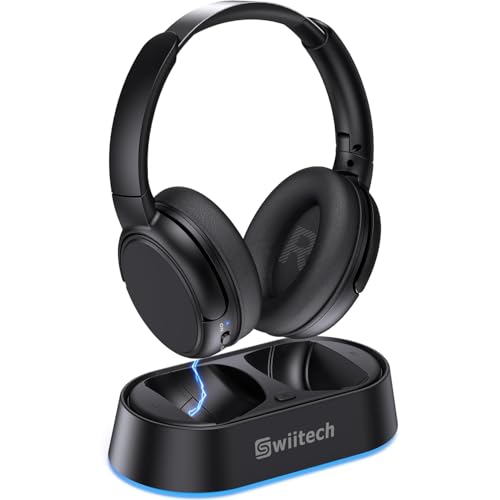
Offers cinema-grade sound with a long 45-hour playtime and a charging dock, promoting convenient daily use. Emphasizes clarity for conversations and reduced external noise for seniors. Best for users who want a high battery life and a dock-based charging solution. Limitation: battery life estimates can vary with usage, and the absence of Bluetooth means direct smartphone pairing is not supported for TV-less use.
Buying Guide: How To Choose The Right TV Headphones For Hard Of Hearing
What connection type suits your setup? If your TV has optical, RCA, or AUX outputs, a wired transmitter with a pair of wireless headphones often delivers the most reliable synchronization and lowest latency. Bluetooth-based systems can be convenient, but some models emphasize ultra-low latency specifically to minimize lip-sync issues.
Is independent volume control important? Headphones with individual ear volume controls or mono/stereo modes let you tailor sound to your hearing needs without affecting a household alternative. For shared rooms or couples, consider models that let you adjust dialogue levels without changing overall TV volume.
What about comfort and wear time? Look for memory foam or protein-leather ear pads and adjustable headbands if you plan to wear headphones for extended periods. A lightweight design reduces fatigue during long movie nights or sports events.
How critical is noise isolation? Noise-isolating cups help block ambient sounds from kitchens or conversations, enabling a more immersive experience for hard-of-hearing users. However, ensure the cups fit well and do not cause discomfort after long sessions.
How easy is setup? For seniors and first-time users, plug-and-play options with minimal steps and a clear quick-start guide are ideal. Some systems include illustrated instructions and simple one-button re-pairing.
What about range and durability? A longer transmitter range (up to 100 feet or more) helps you move around the house without missing dialogue. Look for durable builds with solid ear cushions and reliable wireless technology.
Frequently Asked Questions
- What should I consider first when choosing TV headphones for hearing loss?
Prioritize connection type, latency, and dialogue clarity. Choose a model with low latency and easy setup that matches your TV’s outputs.
- Do I need Bluetooth for TV headphones?
Bluetooth is common, but dedicated wireless 2.4 GHz transmitters often provide more reliable lip-sync and longer range for TV use.
- Can these headphones work with all TVs?
Most models support Optical, RCA, and AUX connections; some require PCM output. Check your TV’s audio outputs and format settings.
- Are independent volume controls useful for hearing-impaired viewers?
Yes. They let you adjust dialogue or specific channels without impacting others in the room.
- Is it better to pick a model with a charging dock?
A charging dock simplifies daily use and ensures the headphones are ready to wear with a full charge.
- What is considered a good latency for TV headphones?
Under 40 milliseconds is typically regarded as excellent for synchronizing audio with video.