Best Bone Conduction Headphones for Open-Ear Comfort and Safety
Bone conduction headphones offer open-ear listening that keeps your ears free to hear surrounding sounds. This guide highlights top options, who they’re best for, and how to choose. Ideal buyers include runners, cyclists, outdoor workers, and anyone who wants music without plugging the ears. Below is a quick buying table for the five recommended models.
Buying quick glance
| Product | Best For | Key Benefit | Notes |
|---|---|---|---|
| Raycon Bone Conduction Headphones | Outdoor runners | Open-ear design with IP68 weather resistance | Great balance of sound and situational awareness |
| PSIER Bone Conduction Headphones | Urban runners and hikers | Bluetooth 6.0 with improved leakage reduction | Ultra-lightweight with secure fit |
| SHOKZ New OpenRun Pro 2 | Intense workouts | Hybrid drivers for better highs and bass | Reliable secure fit for activity |
| CPTEA Bone Conduction Headphones | Budget-conscious athletes | Solid 16mm drivers and stable Bluetooth | Comfortable for long sessions |
| Gelecek Open-Ear Headphones | All-day conditioning | Long 10-hour battery with Bluetooth 6.0 | IPX5 waterproofing and comfort |
Raycon Bone Conduction Headphones
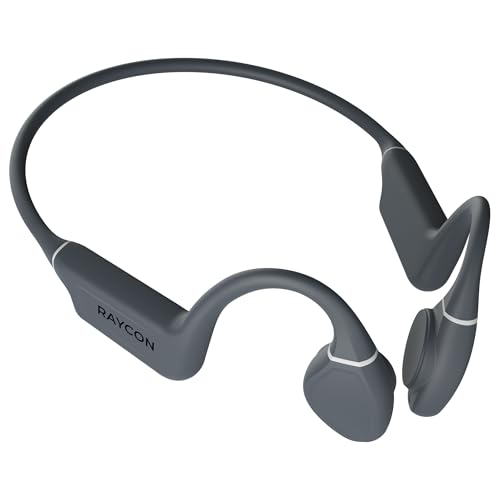
Raycon’s bone conduction model delivers balanced sound through vibration rather than in-ear pressure. It emphasizes an open-ear listening experience designed for safer listening during runs, commutes, or workouts. The IP68 rating supports rain, sweat, and damp environments, making it a strong pick for outdoor activities. Best for runners and outdoor enthusiasts who want durable, water-resistant performance without ear fatigue.
Best for: Runners and outdoor athletes who want open-ear awareness and strong weather resistance. Caution: Earbuds are not in-ear; bass availability may be more subtle than traditional headphones.
PSIER Bone Conduction Headphones

PSIER’s 2026 upgrade uses advanced bone conduction with an enclosed cavity to minimize sound leakage and maximize situational awareness. Weighing about 23 grams, the flexible memory-titanium frame provides a secure, comfortable fit for long workouts. Bluetooth 6.0 ensures quick pairing and stable connection. Best for: Runners and outdoor enthusiasts who prioritize leakage reduction and a secure, feather-light feel. Limitation: Some users report a preference for slightly stronger bass compared to over-ear designs.
SHOKZ New OpenRun Pro 2

SHOKZ OpenRun Pro 2 combines dual drivers to deliver clear highs from bone conduction with deeper bass via air conduction. The open-ear design maintains environmental awareness, while lightweight construction and ergonomic ear hooks keep the headset secure during runs or gym sessions. Best for: Athletes who want a balanced sound with strong motion stability. Caution: Open-ear design can reveal more ambient noise than closed-back options.
CPTEA Bone Conduction Headphones

CPTEA emphasizes open-ear comfort with a lightweight 27g frame and 16mm drivers that deliver clear highs and mids while preserving ambient awareness. Bluetooth pairing is fast, with a stable 33-foot range for calls and music. Best for: Budget-conscious buyers who still want reliable bone conduction performance. Limitation: Some users may notice less bass depth compared to higher-end models.
Gelecek New Waterproof Open-Ear Headphones

Gelecek leverages Bluetooth 6.0 for a stable connection and IPX5 waterproofing, making them suitable for rain, sweat, and outdoor workouts. The model emphasizes a long battery life of up to 10 hours and a comfortable titanium frame. Best for: Daily athletes who need all-day wearability and dependable connectivity. Limitation: Some users may experience a slightly higher than average wind noise in very exposed settings.
Gelecek Bone Conduction Open-Ear Headphones

This Gelecek model uses advanced bone conduction with a fully enclosed cavity and Bluetooth 5.4. It weighs a compact 29 grams, offers IPX5 waterproofing, and up to 8 hours of battery life. Best for: Exercise enthusiasts who want a lightweight option with solid water resistance. Limitation: Open-ear designs may reveal more ambient noise than closed designs, which could affect focus in quieter environments.
Filenor Bone Conduction Headphones

Filenor’s 2026 upgrade focuses on reducing sound leakage with an enclosed cavity and delivering 8 hours of playtime. It features IP55 waterproofing and a Type-C fast charging option. Best for: Outdoor athletes who want a balance of sound quality and reliability in variable weather. Caution: Quick-charge benefits may vary with battery health and usage.
Buying Guide: Key Factors To Consider
Open-ear design vs. traditional in-ear listening. If situational awareness is critical for safety, bone conduction is advantageous. Look for IP ratings suitable to your activities, battery life that covers your typical workout length, and light frame weight to reduce fatigue. Bluetooth version matters for latency and stability, especially in outdoor settings or with calls. Driver size and sound leakage control influence perceived audio quality and your comfort level in noisy environments.
What To Consider Before Buying
- Activity type: Running, cycling, gym workouts, or daily wear?
- Ambient noise: How important is complete isolation vs. environmental awareness?
- Battery life: Do you need all-day wear or shorter workouts?
- Water resistance: IP ratings match your climate or sport.
- Fit and comfort: Weight, frame material, and ear stability during movement.
FAQ
- Q: Do bone conduction headphones block out exterior noise? A: No, they keep ears open to ambient sounds, which enhances safety in outdoor activities.
- Q: Can bone conduction cause ear damage? A: They bypass the ear canal, reducing inner-ear pressure; however, follow manufacturer guidelines for long sessions.
- Q: Are these good for calls? A: Many models include built-in mics and call handling; Bluetooth version and mic quality vary by model.
- Q: Do they feel lighter than traditional headphones? A: Yes, most bone conduction models emphasize lightweight design for extended wear.
- Q: Which is best for rain or sweat? A: Look for IP ratings (IPX5 or IP68) and a robust build as indicated in product specs.
- Q: Is there a noticeable bass with bone conduction? A: Some models offer richer bass through hybrid or enhanced drivers, but expectations vary from open-ear designs.