Best Heavy Gauge Bass Strings for Deep Tone and Stability
Answering the question for bass players seeking heavy gauge sets, this guide highlights five top options that deliver solid tension, richer lows, and reliable tuning stability. These sets are best for down-tuned, drop-tuned, or simply heavier playing styles. The selections cover iconic brands and include sets suited for 4-string basses. Use the quick reference table below to compare core traits at a glance.
| Product | Gauges (low to high) | Best For |
|---|---|---|
| Ernie Ball Beefy Slinky Nickel Wound Bass Strings | 65-130 | Low tunings (BEAD, drop B, drop C); heavy, balanced tone |
| D’Addario NYXL Nickel Plated Heavy Gauge | 55-110 | Stability and endurance with versatile feel |
| Ernie Ball Power Slinky Nickel Wound Bass Strings | 55-110 | Heavier 4-string sets for thicker tones |
| GHS Bass Boomers Heavy Gauge H3045 | 50-115 | Durability for gigs and studio versatility |
| GHS RC-H3045 Round Core Bass Boomers | 50-115 | Strong tone with round-core construction |
Ernie Ball Beefy Slinky Nickel Wound Bass Strings, 63-130 Gauge

Brand: Ernie Ball. Gauge range: 63-130. Features indicate heavy 65–130 gauge for 4-string bass players seeking lower tunings such as BEAD, drop B, or drop C, delivering a rich and balanced tone. Best for players who want a sturdy, fat feel at lower tunings and a familiar Slinky response. Caution: heavier gauges require more tension and can take longer to settle in after changes.
D’Addario NYXL Nickel Plated Heavy Gauge NYXL55110
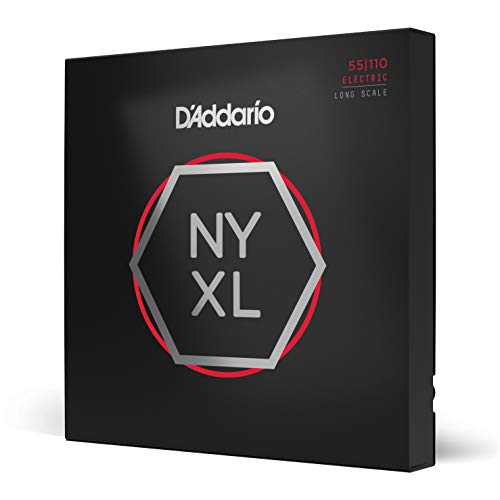
Brand: D’Addario. Gauge: 55-110. Features emphasize premium NYXL construction for strength, tuning stability, and enhanced harmonic response. Best for players who want a robust, long-lasting string with versatile feel across genres. Caution: uncoated strings may show wear faster in very acidic playing environments.
Ernie Ball Power Slinky Nickel Wound Bass Strings, 55-110 Gauge

Brand: Ernie Ball. Gauge: 55-110. Features note that Power Slinkys are ideal for players who prefer heavier gauges, delivering a rich and balanced tone. Best for players seeking durable low-end presence and solid tension. Caution: the heavier tension may require a longer setup period when changing tension across the neck.
GHS Bass Boomers Heavy Gauge H3045
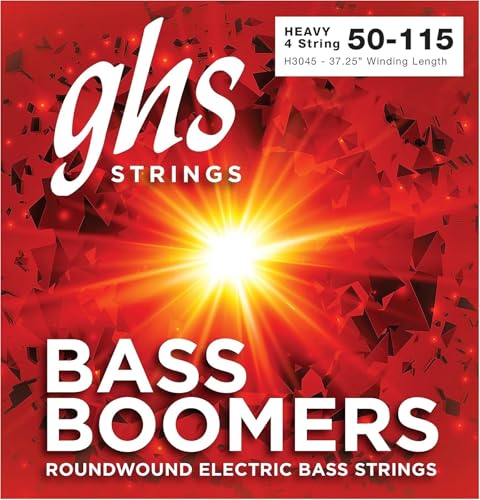
Brand: GHS Strings. Gauge: 50-115. Features emphasize durability, long freshness, and high breakpoint technology for reliable longevity. Best for players who transition from live gigs to studio sessions and want a versatile, heavy gauge option. Caution: bulkier feel may not suit players who prefer lighter, quicker string response.
GHS 4H-B-DYB Electric Bass Boomer, Heavy 70-140

Brand: GHS Strings. Gauge: 70-140. Features highlight heavy gauge construction with high durability and a long-lasting tone. Best for players seeking maximum tension for low tunings and aggressive attack. Caution: extremely heavy gauges can increase tension considerably, affecting playability on lighter necks.
GHS RC-H3045 Round Core Bass Boomers, 50-115
Brand: GHS Strings. Gauge: 50-115. Features describe round core design for durability and consistent tone across the neck. Best for players who want a sturdy, reliable heavy gauge option with a traditional feel. Caution: may not be ideal for players seeking ultra-light or ultra-fast playing experiences.
Buying Guide
What should you consider when choosing heavy gauge bass strings?
- Gauges and tunings: Heavier gauges like 55-110, 63-130, or 70-140 suit lower tunings and extended range setups. Choose a gauge range that matches your tuning stability needs and tension tolerance.
- Material and construction: Nickel-wound strings offer bright treble with strong midrange. Round-core designs can provide different response and durability compared to hex-core strings. Consider feel and longevity when selecting.
- Tone and playability: Heavier gauges typically deliver fuller lows and more sustain but require more finger pressure and neck tension. Balance tone goals with playing style.
- Durability: Brands emphasize durability features such as high breakpoint technology and long freshness. If you gig frequently, prioritize longevity and tuning stability.
- Maintenance: Heavier strings may need more frequent changes in aggressive playing styles. Clean strings after playing to extend life and tone.
FAQ
- What gauges are considered “heavy” for bass strings?
Typically 55-110 or higher on a standard 34″ scale, with ranges like 63-130 or 70-140 for extended sets.
- Are heavy gauge strings harder to press down?
Yes, they require more finger pressure and setup; consider neck relief and action adjustments if switching from lighter gauges.
- Do NYXL and NYXL heavy gauges stay in tune?
Yes, NYXL sets are designed for tuning stability and stronger core-wrap tension, supporting longer sustain and consistent intonation.
- Should I choose a round-core or hex-core for heavy gauges?
Round-core can offer a different feel and sustain; hex-core is common for stability and durability. Your feel preference matters.
- Can heavy gauge strings be used on any bass?
Most basses support heavy gauges, but very light necks or unusual scale lengths may require a setup adjustment. Check your instrument’s tension tolerance.