
Best High End Studio Microphones for Professional-Quality Recording
If you’re seeking premium vocal and instrument capture, a high end studio microphone can be the decisive upgrade. This guide highlights five top options suited for different uses—home studios, project studios, live tracking, and broadcast-style work. Each pick includes who it’s best for, why it stands out, and a practical limitation to consider before you buy. Use the quick comparison table to compare core strengths at a glance.
| Product | Best For | What’s Unique | Notes |
|---|---|---|---|
| RØDE NT1 Signature Series | Vocalists and home studios | Whisper-quiet, legendary NT1 voicing | Shock mount, pop filter included |
| Audio-Technica AT2020 | Budget-conscious project studios | Excellent price–performance | Wide dynamic range |
| Shure SM4 Kit | Close-m micing and clean stage use | Low noise, smooth highs | Cardioid pattern, proximity control |
| LEWITT LCT440PURE | All-around studio work | True condenser, deep capture | Front-rear rejection helps room issues |
| Melon Audio MA-87 | Singer-songwriters and podcasters | Classic 87-style capsule | Includes accessories |
RØDE NT1 Signature Series Studio Condenser Microphone
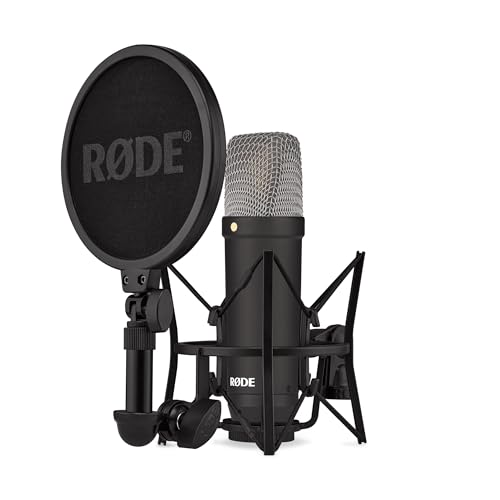
The NT1 Signature Series offers a widely respected large-diaphragm condenser voice for home and professional studios. It is praised for producing quiet operation and a pristine high-end frequency response that suits vocal, acoustic guitar, and piano mics. This microphone ships with a shock mount, pop filter, and XLR cable, making it a ready-to-record package when paired with an interface.
Who it’s best for: vocalists and project studios that want a legendary, low-self-noise signal with minimal coloration. Why chosen: the NT1’s quiet background lets performers hear every nuance in their takes, which is essential for precise comping and overdubs.
Limitations: as a condenser, it requires phantom power and a controlled room to maximize its sonic potential. Proximity effect can increase if placed very close to the source. Avoid this if you frequently record in an untreated or loud room.
Audio-Technica AT2020 Cardioid Condenser Studio Microphone
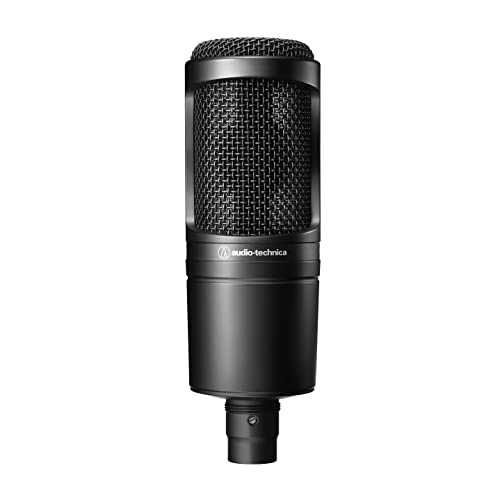
The AT2020 remains a price-to-performance standout for project and home studios. Its cardioid condenser design handles a broad range of studio tasks—from spoken word to voiceover and rhythm instruments—with a dynamic range that accommodates louder sources without harshness.
Who it’s best for: beginners or budget-conscious studios seeking a reliable cardioid capsule. Why chosen: the AT2020’s versatility and approachable price point make it a sensible first main mic for many setups.
Limitations: while versatile, it doesn’t deliver the ultra-low noise or top-end polish of more premium condensers in very quiet rooms. Choose this if you’re prioritizing value over ultimate sensitivity.
Shure SM4 XLR Studio Condenser Microphone Kit

The SM4 kit emphasizes warm, natural reproduction with a brass 1-inch dual-diaphragm capsule. It offers smooth highs and controlled lows, paired with a uniform cardioid pickup pattern that helps minimize room noise and off-axis interference. It’s designed for close-miking vocals and instruments with predictable results.
Who it’s best for: recording engineers who need dependable, quiet operation in a controlled studio space. Why chosen: the dual-diaphragm design supports consistent tone across a range of vocal distances.
Limitations: as a condenser, it benefits from a treated room and proper pop protection. It’s less forgiving in untreated spaces or very loud environments.
LEWITT LCT440PURE Large Diaphragm Condenser Microphone

The LCT 440 PURE delivers a true condenser experience with a 1” capsule and strong rear rejection, helping to isolate the source in typical home and project studios. Its cardioid pattern supports sensible off-axis rejection, making it versatile for vocals, acoustic guitar, piano, and drums.
Who it’s best for: versatile studios needing a single mic that performs across multiple sources. Why chosen: its depth of capture and solid rear rejection make it a strong general-use condenser.
Limitations: front-rear balance varies by room acoustics; users may prefer a second mic for overheads or room ambience in larger projects.
Melon Audio MA-87 Studio Condenser Microphone

The MA-87 channels a classic 87-style capsule for vocal clarity with a balanced low end and pristine highs. It includes a foam filter, shock mount, and XLR cable, giving a ready-to-record package for singers and podcasters who want a traditional-sounding mic with modern convenience.
Who it’s best for: singers and podcasters who prefer a classic vocal character with straightforward setup. Why chosen: the bundled accessories and large-diaphragm design simplify initial recordings in home studios.
Limitations: as with many large-diaphragm condensers, proximity effect matters; placement requires some care to avoid bass boost when very close to the source.
Buying Guide: Key Purchase Considerations
- Application: decide whether you need a vocal-forward “polish” (condenser) or a robust, handheld-friendly option (dynamic). Condensers excel in controlled rooms; dynamics handle higher SPL and stage environments.
- Polar Pattern: cardioid patterns are the default for studio use, but consider multi-pattern mics if you plan to record ensembles or ambient room sounds.
- Phantom Power: most condensers require 48V; ensure your audio interface or mixer provides adequate phantom power.
- Noise Floor: if you work in a quiet space, a low-noise microphone helps preserve detail in silent passages; if not, a more forgiving mic may be preferable.
- Accessories: including a shock mount, pop filter, and cables can reduce the total cost and setup time. Consider whether you need an all-in-one kit or can source components separately.
- Room Treatment: even the best mic benefits from a treated room. Consider basic acoustic panels or strategic placement to minimize reflections and rumble.
- Intended Use: decide whether you need a mic that performs well across many sources or a specialized option for voice, guitar, or podcasting.
Frequently Asked Questions
- What is the difference between a condenser and a dynamic microphone?
– Condensers capture a wider frequency range with more sensitivity, ideal for studio vocals and acoustic instruments. Dynamics are tougher, less sensitive, and better for loud sources or live stages. - Do I need phantom power for these mics?
– Most condensers require 48V phantom power; dynamics typically do not, though some exceptions exist. - Is cardioid the only suitable pattern for home studios?
– Cardioid is the most common, but multi-pattern mics offer flexibility for room sound and different recording scenarios. - Should I buy a kit or individual components?
– Kits with a shock mount and pop filter provide convenience and cost savings for beginners; seasoned users may prefer to tailor components to their workflow. - How important is room treatment?
– Very important. A treated room improves the mic’s ability to capture clear, accurate sound and reduces unwanted reflections. - Can I use USB mics for professional studios?
– USB mics are convenient for beginners but often lack the preamp depth and hardware options of XLR setups; for high end results, XLR with an interface is recommended.