
Best in-Ear Monitors for Keyboard Players: Clear on-Stage Monitoring for Precision Play
Direct answer: the best in-ear monitor options for keyboard players combine clear vocal/instrumental detail, reliable isolation, and easy integration with stage rigs. The right pick depends on whether you need standalone in-ear monitors, a portable personal amp, or a full dynamic driver set for precise keyboard monitoring. This guide highlights five strong choices, with each option suited to different performance setups—from solo keyboardists to layered live rigs. Below is a quick buying table to compare core strengths and best-use scenarios.
| Product | Best For | Notes |
|---|---|---|
| SENNHEISER IE 40 PRO | Professional stage monitoring | Dynamic driver, ergonomic fit |
| Kinboofi KZ ZSN PRO X | Budget-conscious musicians seeking hybrid drivers | 1BA + 1DD, detailed highs |
| erjigo KZ ZST X Hybrid | Balanced, versatile on-stage IEMs | Hybrid drivers, robust build |
| CTM CE110 | Reference in-ear monitoring | Titanium-coated dynamic driver |
| KZ DQS Semi-Open | Bass-forward monitoring with open feel | Semi-open design |
SENNHEISER IE 40 PRO

The SENNHEISER IE 40 PRO is a compact, molded-in-ear monitor designed for professional stage use. Its 10 mm dynamic transducer provides warm, high-resolution sound with reduced acoustic stress, making it well-suited for keyboard players who need clear midrange and smooth treble when playing layered synths, piano, or electronic accents. The ergonomic ear mold and flat profile help maintain comfort during long sets. Best for keyboardists who want a secure, low-profile fit and reliable stage presence without sacrificing detail in the lower to mid frequencies. Caution: consistency of sound may depend on proper insertion and fit for optimal isolation.
Kinboofi KZ ZSN PRO X

The Kinboofi KZ ZSN PRO X blends a 1BA and 1DD driver setup, improving overall soundstage with richer human voice clarity and crisp highs. The metallic and resin shell design offers durability and comfort, making it a practical option for keyboard players who require precise detail in midrange presence for synth textures and piano lines. Best for players who want more detailed vocal-like presence and a wider soundstage on a budget. Choose this if you value driver variety and a modern look. Limitation: the hybrid configuration may require careful fit for optimal seal.
erjigo KZ ZST X Hybrid

The erjigo KZ ZST X pairs a 10 mm dynamic unit with a high-frequency balanced armature for a combination of solid bass presence and detailed highs. This hybrid design supports keyboard players who need punchy low end for electronic drums and bass synths while keeping clarity for treble overlays. Best for performers who want an energetic, immersive sound with strong bass response. Caution: some users may experience fit differences depending on ear shape, so a trial fit is recommended.
P2 Portable In-Ear Monitor Amplifier (Hzrizowx)

The P2 portable in-ear monitor amplifier provides direct monitoring with XLR/TRS input compatibility and a stereo/mono mode for flexible stage setups. It is particularly suitable for keyboard players who need a compact stage monitor that can handle multiple sources from mixers or audio interfaces. Best for on-the-go rehearsals and small venues. Limitation: may require an external power source or battery management for longer performances.
ANLEON S1 Personal In-Ear Monitor System
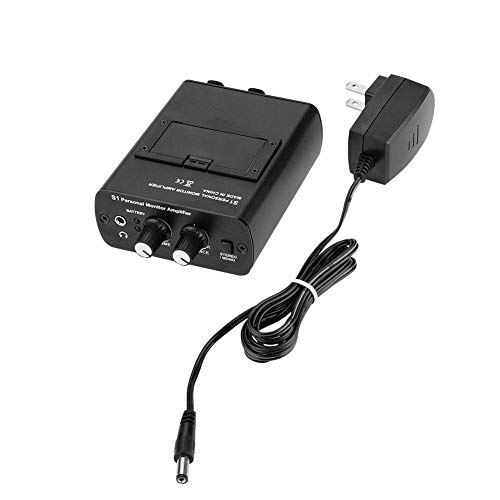
The ANLEON S1 is a personal in-ear monitor system designed for performers who require on-stage isolation and reliable wireless operation. While suitable for multiple roles, keyboard players may appreciate its convenient wireless capability for movement between keyboards, vocal cues, and other performance elements. Best for keyboard players who want mobility and a self-contained sound system for isolated listening. Caution: operation licensing and regulatory restrictions apply to some wireless systems; verify local requirements before use.
Buying Guide: Key Factors For Keyboard Players
- Sound isolation and fit: For keyboard setups, proper seal reduces stage noise and enhances keyboard tracks. Look for molded or well-sealed shells and multiple ear tip options.
- Driver configuration: Single dynamic drivers deliver strong bass and warmth; hybrids (dynamic plus balanced armature) offer broader detail across frequencies. Choose based on whether you prioritize bass depth (for electronic keyboards) or detailed mids/highs (for synth textures).
- Input compatibility: Ensure compatibility with your mixer, audio interface, or PA system. XLR and TRS inputs are common in professional rigs; verify your gear’s outputs and the IEM’s input options.
- Portability and power: If you perform across multiple venues, consider a compact, battery-powered or USB-powered option for independence on stage.
- Durability and comfort: Stage shows demand robust shells and comfortable wearing for extended sets. Ergonomic shapes and reinforced cables help prevent fatigue and tangling.
Frequently Asked Questions
- What should keyboard players look for in an in-ear monitor system?
Look for fit, isolation, driver quality, and compatibility with stage rigs. A model with reliable cable or wireless options reduces on-stage clutter. - Are wireless in-ear monitors better for keyboard players?
They provide mobility and reduce cable clutter, but ensure you comply with local wireless regulations and check battery life for longer performances. - Is a hybrid driver better than a single dynamic driver for keyboards?
Hybrid drivers can offer broader detail across frequencies, which helps emphasize keyboard textures and synth overlays. Dynamic drivers often deliver stronger bass for electronic tracks. - Do I need a separate personal monitor amp if I use IEMs?
Not always. IEMs with embedded amplification or a dedicated stage monitor amp (like P2) can be useful when you need additional control over on-stage monitoring, especially in larger venues. - How important is fit for on-stage performance?
Very important. A secure fit improves isolation, reduces feedback risk, and ensures consistent sound across the performance. - What is one common limitation of IEMs?
Seal quality and comfort vary by ear anatomy; testing multiple tips often yields the best isolation and sound.