
Best Indian Rosewood Guitar Necks: Top Picks for Quality Builds
Choosing an Indian rosewood guitar neck can dramatically influence playability, tone, and longevity. This guide highlights five strong options that suit both electric and acoustic builders, ranging from pre-slotted fingerboards to solid neck blanks. Whether you’re assembling a boutique instrument or restoring a classic, these picks offer stability, workability, and tonal character typical of Indian rosewood.
The buyer types most likely to benefit include luthiers seeking ready-to-assemble fingerboards for consistent fretwork, hobbyists building custom guitars, and professional builders needing stable neck blanks. The following table compares key points for quick reference.
| Product | Best For | Material | Notes |
|---|---|---|---|
| StewMac Slotted Fingerboard for Fender Bass, Indian Rosewood | Luthiers assembling Fender-scale bass necks | Indian rosewood | Slotted for bass scale; flat undersides; unfretted |
| Pack of 5 Guitar Fingerboard Blank East Indian Rosewood | Custom fingerboard blanks for various necks | Dalbergia latifolia | 21″ length; hardwood blank |
| StewMac Slotted Fingerboard for Martin Guitar, Indian Rosewood | Martin-scale acoustic builds | Indian rosewood | 25.34″ scale; 16″ radius; 20 fret slots |
| Ogdni Roasted Electric Guitar Neck, Rosewood Fingerboard | Stable, roasted necks for electrics | Rosewood fingerboard | Roasted neck; half paddle headstock |
| Exotic Grade A East Indian Rosewood Fingerboard Blank | High-end fingerboard replacement | East Indian rosewood | One-piece; 21″ x 3″ x 5/16″ |
StewMac Slotted Fingerboard for Fender Bass, Indian Rosewood

Best for bass-scale builds or modifications that extend the fingerboard beyond the nut, this kiln-dried fingerboard offers a flat underside and an unfretted surface ready for trimming. The 34″ scale corresponds with standard Fender bass requirements, and the fingerboard is suitable for traditional Fender installations. Best for luthiers who need a stable, ready-to-shape rosewood surface for a bass neck project. Caution: no frets or inlays means additional fretwork is required if you plan to install a full fretboard layout.
Pack of 5 Guitar Fingerboard Blank East Indian Rosewood

This set offers multiple fingerboard blanks cut from East Indian rosewood (Dalbergia latifolia) with a 21″ length, 2-3/4″ width, and 3/8″ thickness. Best for builders who want consistent blanks to mill, slot, and fit to various neck widths. The selection is ideal for projects requiring uniform boards for multiple instruments. Limitation: color and grain may vary slightly between blanks, requiring selection during customization.
StewMac Slotted Fingerboard for Martin Guitar, Indian Rosewood
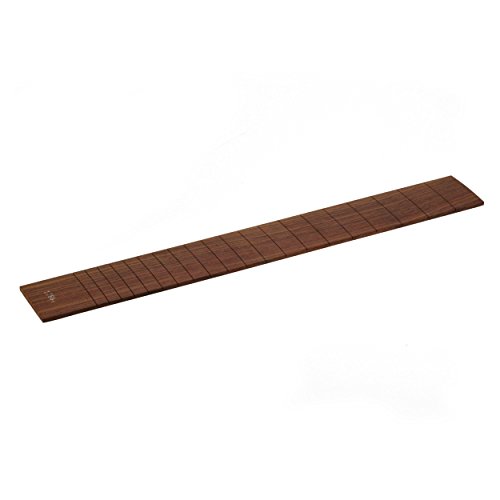
Designed for Martin dreadnought scales, this fingerboard comes with a 25.34″ scale, 16″ radius, and 20 fret slots. Best for builders aiming to replicate classic Martin acoustic feel with a stable Indian rosewood surface. It is unfretted and ready for trimming to fit various neck widths. Caution: requires precise fret installation to align slots with the neck’s curvature and scale length.
StewMac Unslotted Fingerboard for Guitar, Indian Rosewood

This unslotted fingerboard is ideal for niche builds that require custom fret scales. The top and underside are flat, and the board is unfretted, making it a flexible base for custom slotting. Indian rosewood is prized for stability and aesthetic beauty. Better for experienced luthiers who want to tailor fretting patterns. Limitation: no slots or inlays means extra machining work is needed.
Exotic Wood Zone Mahogany(Indian) Guitar Neck Blank
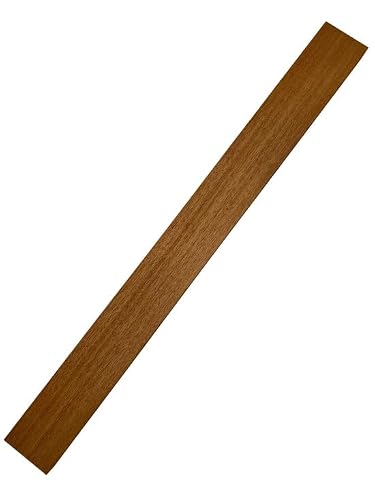
This Exotic Wood Zone neck blank uses Indian mahogany, noted for stability and durable construction. Best for builders seeking a versatile neck blank usable for both acoustic and electric guitars, with warm tonal properties suitable for vintage-inspired builds. Caution: not rosewood; tonal character will differ from rosewood-based necks. Why selected: offers reliable stability and broad application in various build projects.
Buying Guide
- Purpose and scale length: Match the fingerboard or neck blank to the intended guitar’s scale length (e.g., Martin or Fender). This ensures correct string tension and intonation.
- Wood type and stability: Indian rosewood and East Indian rosewood provide stability and tonal warmth. Roasted necks add stability against humidity and temperature changes.
- Slotting and fretting needs: Slotted boards are ready for standard fret setups of common models, while unslotted or blank boards require precise fretting work.
- Finish and preparation: Kiln-dried and dry-sanded surfaces reduce warping risk and improve install ease. Flat undersides help with alignment during gluing and shaping.
- Compatibility: Ensure the neck blank width and thickness align with your neck pocket and hardware (tuners, truss rod, etc.).
- Aesthetics and grain: East Indian rosewood displays distinct grain patterns; consider how grain orientation will look on the finished neck.
Frequently Asked Questions
- What is the benefit of a roasted neck? Roasted wood becomes more stable and resistant to humidity changes, reducing warping over time.
- Why choose a slotted fingerboard? Slotted boards align fret slots with necks designed for standard acoustic or bass scales, simplifying installation.
- Are rosewood fingerboards expensive? Availability and price vary by source; rosewood is valued for stability and tone, but blanks may require more labor than pre-slotted boards.
- Can I use any rosewood for any neck? Not all necks use the same grain, thickness, or radius. Always verify neck width, radius, and fret count before selecting a board or blank.
- Is a fingerboard blank suitable for a DIY project? Yes, if you have the tools to plane, slot, and slot-fret accurately; blanks are best for experienced builders.
- What should I consider when matching tonewood and neck? Rosewood provides warmth and balance; comparing to mahogany or maple can guide tonal expectations for your instrument.