
Best Les Paul Solid Body Guitars for Every Player
Find the right Les Paul solid body guitar for your skill level and style. This guide highlights five Epiphone models inspired by Gibson Les Paul design, focusing on reliability, tone, and playability. Best for beginners seeking classic tone, intermediate players wanting stability, and players exploring a traditional single-cutaway feel.
Product overview (selected for versatile tones and reliable build):
| Product | Brand | Key Benefit | Why It’s Right For |
|---|---|---|---|
| Epiphone Les Paul-100 Heritage Cherryburst | Epiphone | Balanced tone with 700T humbuckers | Best for classic Les Paul tones at a friendly price |
| Epiphone Les Paul 100 E1 Ebony | Epiphone | Stable neck with dual humbuckers | Great for students and gigging players |
| Epiphone Inspired by Gibson Les Paul Custom Ebony | Epiphone | Locking hardware and premium appointments | Best for players seeking a more upscale look |
| Epiphone Les Paul Special II Vintage Sunburst | Epiphone | Solid Mahogany body for warm tone | Value-focused entry with iconic vibe |
| Epiphone Les Paul Special-II E1 Ebony | Epiphone | Traditional setup with robust humbuckers | Simple, reliable choice for beginners |
Below you’ll find detailed sections for five strong Les Paul solid body options. Each entry notes who it’s best for, key features, and a limitation to consider. The goal is to help you compare tone, build, and value quickly.
Epiphone Les Paul-100 Heritage Cherryburst

The Epiphone Les Paul-100 Heritage Cherryburst features 700T humbuckers, a rosewood fretboard, and a mahogany body with a maple top. This setup aims for a classic, balanced Les Paul tone with solid sustain. Best for players seeking a traditional Les Paul voice without premium pricing. Limitations include a simpler set of cosmetic options and standard hardware compared to higher-end models.
Epiphone Les Paul 100 E1 Ebony
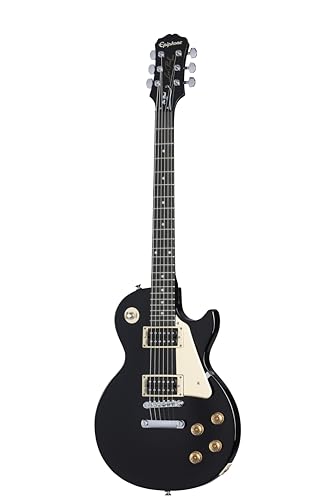
The Les Paul 100 E1 Ebony ships with 700T bridge and 650R neck humbuckers, a 24.75″ scale, and a mahogany body with a maple top. It delivers classic warmth and sustain suitable for rock and blues. Best for players wanting a familiar Les Paul feel with reliable tuning stability. Caution: neck profile can feel chunkier for players with a lighter grip.
Epiphone Inspired by Gibson Les Paul Custom Ebony

This Custom-inspired model includes a LockTone Tune-O-Matic bridge and lock tailpiece, Kalamazoo headstock, and Grover Rotomatic 18:1 tuners. It offers a more refined stage-ready look with dependable hardware. Best for players seeking a premium aesthetic and stable intonation. Limitation: some players may prefer a lighter body feel common on more modern designs.
Epiphone Les Paul Special II Vintage Sunburst

Equipped with a mahogany neck and body, Indian Laurel fretboard, and 650R/700T humbucker pickups, this model emphasizes a warm, classic LP sound. Best for players seeking a straightforward, affordable Les Paul variant. Consideration: lacks some of the upscale hardware found on higher-tier Epiphone models.
Epiphone Les Paul Special-II E1 Ebony

The Special-II E1 uses a mahogany body with 700T humbuckers and a rosewood fretboard. This model is a solid choice for beginners and players seeking a reliable, no-fruss guitar with a familiar Les Paul vibe. Limitation: fewer tone-shaping options than more advanced Epiphone lines.
Buying Guide
What should you consider when choosing a Les Paul solid body guitar?
- Body and neck wood: Mahogany bodies with maple tops are the classic LP combination for warmth and sustain. Consider whether you prefer a thicker neck profile for comfort.
- Pickups and electronics: Humbuckers are standard for Les Paul tones. Look for pickupии configurations (bridge/neck) that suit your genre, from blues to rock.
- Hardware and setup: Locking tuners and Tune-O-Matic bridges improve tuning stability. Ensure easy access to intonation adjustments.
- Aesthetic and finish: Ebony, Heritage Cherryburst, and Vintage Sunburst offer different looks. Choose based on stage presence and personal style.
- Budget vs. features: Entry-level Epiphone Les Pauls emphasize affordability with classic tone, while Inspired by Gibson variants add premium touches.
How to choose by playing style
- Beginners: Start with models that balance tone and playability, like Les Paul-100 or Special II variants.
- Blues and classic rock: Prioritize humbuckers and warm, mid-range focus found in most Les Paul designs.
- Stage players: Consider models with stable hardware, tuners, and reliable intonation to reduce setup time.
Maintenance tips
- Clean the fretboard and strings after playing to extend life.
- Keep a consistent string tension and check neck relief periodically.
- Store in a stable environment to protect wood and finish.
FAQ
- Q: What is the main difference between Les Paul-100 and Les Paul Special II models? A: The Les Paul-100 typically uses standard humbuckers and familiar Les Paul geometry, while the Special II focuses on simplicity and affordability with reliable hardware.
- Q: Are Epiphone Les Pauls good for beginners? A: Yes, Epiphone models offer classic tone and approachable playability at beginner-friendly prices.
- Q: Which model offers the best looks for the stage? A: The Inspired by Gibson Les Paul Custom Ebony and similar finishes provide a premium aesthetic for on-stage presence.
- Q: Do these guitars require professional setup? A: A basic setup is often beneficial for optimal playability, especially for beginners moving to a new instrument.
- Q: Do all Epiphone Les Pauls use humbuckers? A: Most models in this guide use humbuckers, which provide the classic Les Paul gain and sustain.
- Q: Is weight a concern with these guitars? A: Les Paul style guitars tend to be on the heavier side; if weight matters, try models with lighter bodies or balanced necks.