Best Linear Power Supply for Audio: Clean Power for HiFi Systems
Direct, low-noise power is crucial for high-fidelity audio systems. This guide highlights five top linear power supplies that reduce noise, improve detail, and stabilize critical components like DACs, preamps, and streamers. Each pick suits different setups—from compact desktop DACs to multi-device rigs. The buyer profiles below help you decide which is best for your needs.
Summary of recommended products
- DoukAudio D2 Linear Power Supply 5V: ideal for compact DACs and preamps needing ultra-clean 5V power.
- WL-DP01 50VA Hi-Fi Ultra-Low Noise: versatile for multiple voltage requirements with strong ripple suppression.
- iFi SilentPower iPower2: best for users seeking active noise cancellation and broad device compatibility.
- LHY Audio Linear Power Supply: high stability and tight ripple control for sensitive HiFi circuits.
- iFi iPower X: robust noise reduction with flexible output for various devices.
DoukAudio D2 Linear Power Supply 5V

Best for compact DACs, preamps, and streamers that run on 5V. This unit emphasizes cleaner linear power by reducing switching noise and ripple, delivering a darker background and smoother treble. Dual output flexibility supports USB and DC or two DC ports with shared current management for stable operation. Ultra-low ripple design targets microvolt-level noise for sensitive HiFi circuits.
Best used with single-device setups that require tight regulation and minimal noise, such as desktop DACs or phonostages. Caution: if your device needs a higher than 5V supply or independent outputs, this model may require an alternative that matches those specs.
WL-DP01 50VA Hi-Fi Ultra-Low Noise (5V/9V/12V/15V/16V/18V/19V/24V)

Best for users needing versatile voltage options in a single chassis. The WL-DP01 uses a 3-level filtering design combining EMI filtering, capacitor arrays, and a CLC stage to minimize ripple. It provides two DC outputs sharing total current, making it suitable for powering two devices with a common voltage. Ultra-low noise performance supports high-sensitivity audio components.
Choose this if you operate multiple devices at different voltages and want a shared, stable supply. Limitation: outputs are not independent, so avoid pairing devices that require separate current handling or independent regulation.
iFi SilentPower iPower2 (12V / 1.8A)
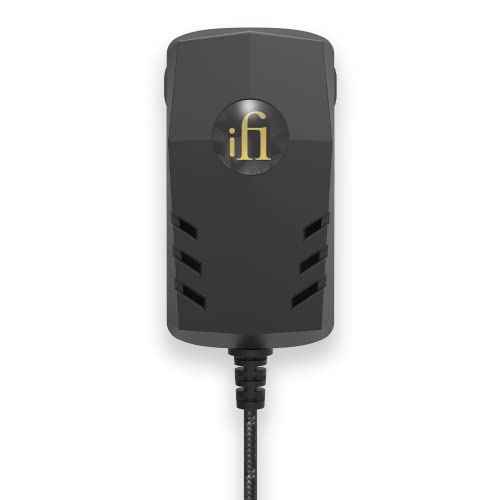
Best for users seeking a quiet, versatile upgrade for a range of audio and electronics. iPower2 actively detects and suppresses noise from stock wall warts, offering a steadier DC output. Its active noise cancellation technology reduces interference and provides a clearer signal for turntables, DACs, streamers, and routers. The package includes multiple DC adapters for common devices.
Caution: the device is designed to improve noise floors but benefits vary depending on existing power sources and device power needs. Ensure your device voltage and current match the unit’s specifications to avoid under- or over-provisioning.
WL-DP01 50VA Hi-Fi Ultra-Low Noise (12V / 4A)
Best for higher-current 12V devices or setups needing a robust supply with strong ripple suppression. It uses the same 3-level filtering approach to reduce output ripple to low levels suitable for sensitive equipment. Dual output sockets share current, making it suitable for paired devices that require synchronized power.
Limitation: as with other dual-socket designs, independent outputs are not provided, so avoid configurations that demand completely isolated rails for each device.
LHY Audio Linear Power Supply: 12V 50W

Best for high-demand HiFi components that require stable 12V with tight ripple control. The LHY unit offers ultra-low noise output (≤9 μV ripple) and a precise regulation scheme using a reference regulator, high-speed op amp, and MOSFET stages. Its advanced CLC filtering further improves power purity and detail retrieval for DACs and amplifiers.
Choose this if you need reliable performance for dynamic music passages and imaging. Caution: larger footprint and heat considerations may apply for continuous high-load operation.
iFi iPower X Low-Noise DC Power Supply Adapter
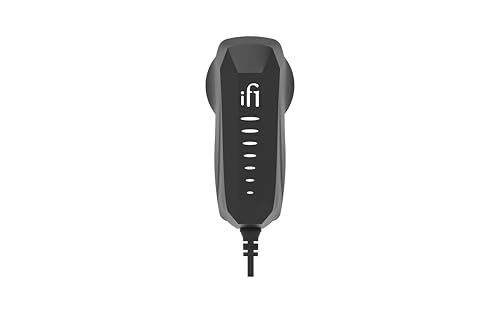
Best for users needing a robust, low-noise power adapter with broad compatibility. The iPower X provides enhanced noise reduction and cleaner current to a wide range of audio devices and electronics. It supports upgrades in settings where stock adapters introduce audible hum or distortion, improving sound detail and video clarity.
Limitation: ensure voltage compatibility with your equipment’s needs; not all devices benefit equally from high-end adapters if their own power regulation is already adequate.
Buying Guide: How to Choose a Linear Power Supply for Audio
- What voltage and current does your device require? Pick a supply with a matching voltage and sufficient current headroom to avoid droop during dynamic passages.
- Single output vs. dual output: Do you need one clean rail or power for two devices? Dual-output units offer convenience but may share current between channels.
- Ripple and noise performance: Look for quantified ripple levels (μV range) and filtering stages (EMI, capacitor arrays, CLC) that suit sensitive analog circuits.
- Stability and regulation: Devices with precision regulation and MOSFET or op-amp stages tend to maintain steady voltage under load, improving sonic consistency.
- Heat and footprint: Higher-wattage supplies require adequate ventilation and space; consider whether a desktop or rack-mount form factor fits your setup.
- Compatibility and future-proofing: If you plan to expand your system, choose a model with flexible voltages or adapters to cover future devices.
FAQ
- Do linear power supplies always improve audio quality? They can reduce noise and ripple that affect sensitive circuits, but benefits depend on the device and its existing power design.
- Is a dual-output supply better than two separate supplies? A single dual-output unit can simplify wiring and ensure shared regulation, but independent rails may be preferable for completely isolated devices.
- What is “ripple” in power supplies? Ripple is the small AC component superimposed on the DC output; lower ripple often translates to a quieter, clearer signal in audio paths.
- Can I replace a stock wall adapter with a linear supply for all devices? Not always; some devices require specific voltage, polarity, or current characteristics that must match the supply.
- What should I consider about device compatibility? Verify voltage, polarity, connector type, and maximum current before pairing with a linear supply.
- Are these products suitable for home theater systems? Yes, many can improve the quietness and accuracy of DACs, streamers, and media components in home setups.