Best Listening to Music Headphones for Every Budget and Style
If you’re shopping for listening to music headphones, this guide highlights five solid options that cover wired and wireless needs, comfort, and sound quality. They’re suited for: home listening, studio work, group sessions, travel, and casual gaming. Each pick is explained with who it’s best for and why, plus practical trade-offs to help you decide.
Summary of selected products
| Product | Best For | Why It Stands Out |
|---|---|---|
| PUPGSIS Wired Over Ear Headphones | Casual listening and studio work | Large 50mm drivers, wide frequency range, podcast sharing feature |
| EKSA Wired Studio Monitor Headphones | DJing and mixing | Comfortable for long sessions; single-side monitoring |
| SIMOLIO Manyshare Series | Group listening and learning | Auracast-enabled wireless sharing; built-in mic |
| Sennheiser RS 120-W | TV/listening with minimal setup | Clear sound modes and easy volume control |
| Dnil Wireless Over-Ear Headphones | Travel and studying | Foldable design; long battery life; balanced sound |
PUPGSIS Wired Over Ear Headphones

Reference features: 50mm drivers deliver dynamic bass, balanced mids, and precise treble with a 20Hz–20kHz range. They support sharing ports to attach two headphones, reducing the need for adapters. Best for: DJs, recording artists, and podcast hosts who want clear monitoring and the option for a co-host without extra equipment. Limitation: wired connection may limit mobility during sessions.
EKSA Wired Studio Monitor Headphones
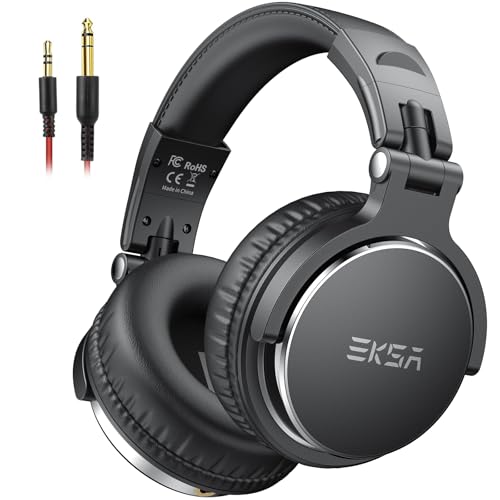
Reference features: Large 50mm drivers with neodymium magnets deliver balanced stereo sound with strong bass and crisp highs; soft ear cushions and adjustable headband for extended comfort; 90° swiveling cups support single-side monitoring, ideal for mixing and mastering. Best for: home studios, DJs, and audio enthusiasts who value comfort during long sessions. Limitation: single-side monitoring may not suit everyone’s workflow.
SIMOLIO Manyshare Series

Reference features: Auracast-enabled group listening with wired/wireless options; built-in mic for online learning and chats; quick setup across devices. Best for: families, classrooms, and travel where shared listening is common. Limitation: wireless performance depends on device compatibility and distance from source.
Sennheiser RS 120-W On-Ear Headphones

Reference features: Crystal-clear TV listening with three sound modes (Speech, Music, Neutral) and a simple volume control dial. Best for: late-night TV watching, movies, and streaming with minimal setup. Limitation: on-ear design may cause ear fatigue for some users during long sessions.
Dnil Wireless Bluetooth Headphones

Reference features: Foldable over-ear design with built-in mic; suitable for studying, music listening, and gaming; portable for travel. Best for: students and commuters who need a compact, versatile headphone. Limitation: sound stage and microphone quality can vary with Bluetooth version and distance from the source.
Apple EarPods Headphones with USB-C Plug

Reference features: Comfortable, high-quality audio with a built-in remote for volume and playback control. Best for: iPhone users who want reliable wired headphones with integrated controls. Limitation: not ideal for extended listening sessions due to compact earbud design.
Buying Guide: Key Purchase Considerations
- Sound profile: Decide if you prefer boosted bass for casual listening or a balanced response for studio work. Look for 50mm drivers for larger soundstage and better dynamics in wired models.
- Wired vs. wireless: Consider mobility versus potential latency and battery life. Group listening or studio tasks often benefit from wired reliability, while commuting favors wireless.
- Comfort and fit: Check ear cup size, padding quality, and headband adjustability for long sessions. If you wear glasses, look for softer padding and a comfortable clamping force.
- Monitors and monitoring options: For mixing or DJ work, single-side monitoring and swivel cups help with precise headphone positioning.
- Built-in features vs. simplicity: Built-in microphones, Auracast sharing, or inline remotes add convenience but may impact price and weight.
- Device compatibility: Ensure connectors (3.5mm, USB-C, 1/4″) match your devices. Some adapters deliver high fidelity with DAC chips; others are basic.
- Durability and portability: Foldable designs and reinforced cables extend life, especially for travel or school use.
Frequently Asked Questions
- What is the main difference between wired and wireless headphones for listening to music?
– Wired headphones typically offer consistent, high-fidelity sound and no battery dependency, while wireless headphones provide mobility and convenience at the potential cost of latency or battery life. - Which headphones are best for group listening in a classroom or car ride?
– Wireless sharing options like Auracast-enabled headsets can be advantageous for synchronized listening, while some wired models offer pass-through sharing features via adapters. - Are there benefits to studio monitor headphones for casual listening?
– Yes, studio monitor headphones often provide a flatter, more accurate sound suitable for critical listening and mixing, which can improve overall music comprehension even for casual listening. - What should I consider if I wear hearing aids or glasses?
– Look for soft padding, lighter clamping force, and an adjustable headband to minimize pressure and improve comfort during long sessions. - How important is driver size?
– Larger drivers (e.g., 50mm) typically yield a wider soundstage and stronger bass. However, driver size is not the sole indicator of overall sound quality; tuning and build quality matter as well.